



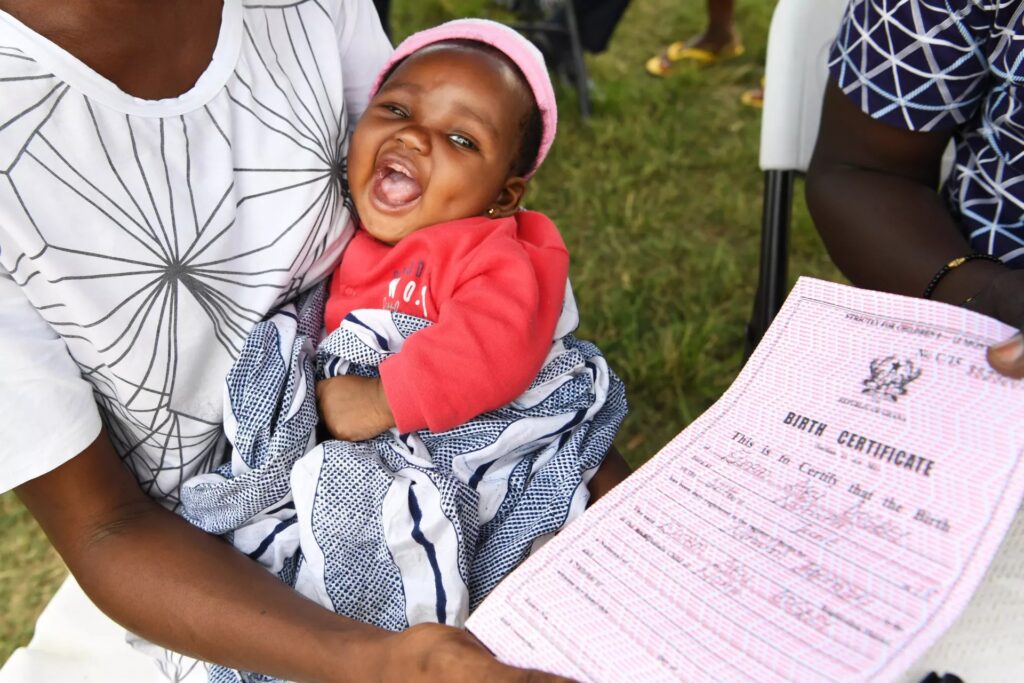
Welcoming a newborn into your family is more than a joyful emotional experience. It is also the beginning of a lifelong legal journey for your child. From the very first days of life, a child’s identity must be formally recognized by the state. Without this recognition, access to essential rights such as healthcare, education, travel, and even inheritance can become unnecessarily complicated.
Citizenship registration is not just paperwork. It is the foundation of your child’s existence within a structured society. It ensures your child is visible in national records, protected by law, and eligible for opportunities both locally and internationally.
This guide walks you through every stage of the process in a clear, structured, and highly detailed way so that nothing is overlooked.
Understanding the Three Pillars of Citizenship Registration
Before diving into the steps, it is important to understand that citizenship registration is not a single action. It is a system built on three essential pillars:
Get TikTok SEO Cheat here
- Birth Registration which establishes existence
- Identity Enrollment which creates a traceable national identity
- Travel Documentation which confirms citizenship globally
Each pillar supports the next. Skipping one can lead to serious delays or complications later in life.
STEP 1: Securing the Official Birth Certificate
This is the single most important step in your child’s legal journey.
A birth certificate is not just a record. It is the government’s formal acknowledgment that your child exists. Without it, every other process becomes difficult or impossible.
Why This Step Is Critical
A hospital-issued birth notification only confirms that a birth occurred. It does not carry legal authority outside the hospital environment.
The official birth certificate is what transforms that event into a recognized national record. It serves as proof of:
- Date and place of birth
- Parentage
- Nationality eligibility
This document will be required repeatedly throughout your child’s life.
Where to Register
Birth registration is done at designated centers, which are typically located in:
- Local government secretariats
- Major public hospitals
- Approved community registration points
What You Need to Bring
To avoid delays, ensure you arrive fully prepared:
- Hospital birth notification or maternity certificate
- Valid identification for both parents
- Accurate details of the child’s name, date, and place of birth
What Happens During Registration
The registrar will carefully review all submitted documents and cross-check the information provided. You will be asked to confirm:
- Correct spelling of the child’s full name
- Proper arrangement of first name, middle name, and surname
- Accurate parental details
This is extremely important because once entered into the system, correcting errors can be stressful and time-consuming.
Important Practical Insight
Many parents rush through this stage without double-checking details. This is one of the most common causes of future problems.
Take your time. Confirm every letter. Ensure consistency with all other documents you plan to obtain later.
STEP 2: National Identity Enrollment for Your Child
Once the birth certificate is secured, the next step is to establish your child’s presence within the national identity system.
This is done through enrollment for a National Identification Number.
Why This Matters
The National Identification Number is not just another document. It is a lifelong identity reference that connects your child to national databases.
It is required for:
- School enrollment
- Healthcare registration
- Financial services
- Government programs
- Passport application
How It Works for Infants
For newborns, the process is slightly different from adults.
Instead of independent registration, the child’s identity is linked to a parent or guardian. This creates a structured family identity system that strengthens data accuracy and security.
Requirements for Enrollment
To complete this step, you will need:
- The child’s official birth certificate
- A parent’s valid National Identification Number
- Physical presence of the child
What Happens at the Enrollment Center
At the center, the process includes:
- Capturing the child’s facial image
- Recording basic personal details
- Linking the child’s record to the parent’s identity
For infants, fingerprint capture is typically not required immediately but will be updated later as the child grows.
What You Will Receive
After enrollment:
- A transaction slip is issued immediately
- The official identity number is generated after verification
Keep all slips safe. They are often required for future processes.
STEP 3: Obtaining the Certificate of Origin
This step is unique and often misunderstood.
While the birth certificate proves where the child was born, the certificate of origin establishes where the child belongs culturally and ancestrally.
Why This Document Matters
This certificate is often required for:
- School admissions in certain regions
- Scholarship applications
- Employment opportunities
- Government-related processes
It connects your child to a specific state and local government area.
Where to Apply
You will need to visit the local government office tied to the family lineage, usually that of the father unless otherwise decided.
Required Documents
Prepare the following:
- Parents’ certificates of origin
- Child’s birth certificate
- Supporting identification documents
The Process
At the office:
- Officials will verify your lineage claims
- Documents will be reviewed and confirmed
- A certificate or official letter will be issued
Important Note
This process may vary slightly depending on the local government. Some offices require additional verification steps, so it is wise to confirm requirements ahead of time.

STEP 4: Applying for an International Passport
This is the final stage and represents full recognition of your child’s citizenship on a global scale.
Why a Passport Is Important
A passport is more than a travel document. It is proof that your child is recognized internationally as a citizen of their country.
It allows:
- International travel
- Access to consular protection abroad
- Participation in global opportunities
How to Begin
The application process starts online. You will be required to:
- Complete an application form
- Select a processing office
- Make the required payment
Parental Consent Requirement
Because the applicant is a minor:
- A consent letter must be provided
- It must clearly state approval for passport issuance
- If one parent is absent, additional verification may be required
Documents Required for Appointment
When attending the appointment, bring:
- Birth certificate
- National Identification Number slip
- Parents’ identification documents
- Passport photographs if required
At the Passport Office
The process includes:
- Document verification
- Biometric capture of the child
- Final approval and processing
A Practical Checklist for Parents
To simplify everything, here is what you should aim to secure:
- Birth Certificate
- National Identification Number
- Certificate of Origin
- International Passport
Each document builds upon the previous one. Treat them as a connected system, not separate tasks.
Expert Insight: The Name Consistency Rule
One of the most overlooked but critical aspects of this entire process is name consistency.
Every document must reflect the exact same spelling and order of names.
Even a small difference can cause:
- Application rejections
- Delays in processing
- Additional correction procedures
Before submitting any form, always cross-check:
- Spelling
- Name order
- Use of initials
Consistency saves time, money, and stress.
Final Thoughts
Registering your newborn for citizenship is not something to postpone or approach casually. It is a structured process that ensures your child’s future is protected from the very beginning.
When handled correctly, it provides:
- Legal identity
- Access to essential services
- Freedom of movement
- Recognition at both national and international levels
Approach each step carefully, stay organized, and keep all documents safely stored.
Read More On: