
Nigeria’s connectivity space is quietly evolving, but the impact is becoming impossible to ignore. While 4G still carries most of the load across the country, 5G is beginning to take hold and reshape how brands connect with consumers.
This shift is opening the door to a new era of high speed, data rich marketing that is changing both strategy and creativity.
The 5G Shift and Why It Matters
For a long time, digital marketing in Nigeria had to work around slow internet speeds. Marketers focused on smaller file sizes, lighter websites, and content that could load easily even on weak connections.
Get TikTok SEO Cheat here
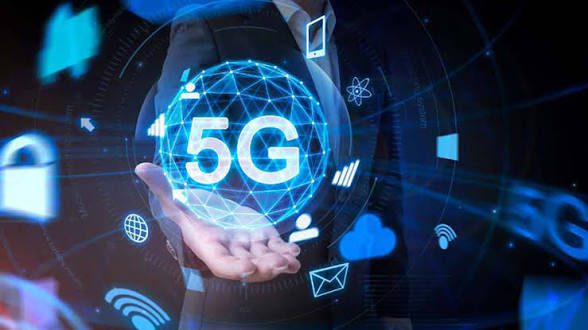
That reality is starting to change. As of March 2026, data from the Nigerian Communications Commission shows that 4G still leads with 53.4 percent of the market. However, 5G adoption has grown to about 3.94 percent.
At first glance, that figure may seem small. But in a country with over 151 million internet users, it translates to more than 6 million people. These users are mostly in major cities such as Lagos, Abuja, and Port Harcourt, and they represent a highly active and valuable audience for businesses.
A Shift Away from Older Networks
Another important part of the story is how quickly older networks are fading.
2G usage has dropped to around 36.9 percent, while 3G now sits at just 5.6 percent. This shows a clear movement toward faster and more reliable connections.
4G has become the new standard, making high quality video and richer online experiences an everyday expectation. At the same time, 5G is raising the bar even higher by offering near instant speeds and a much smoother mobile experience.
A New Wave of High Speed Marketing
This improvement in connectivity is not just about faster downloads. It is also transforming how brands create and deliver content.
One major trend is the growth of live shopping. Platforms like TikTok and Instagram are seeing more real time video sessions where sellers showcase products while interacting directly with viewers. In places like Lagos, some sellers now act as digital personal shoppers, giving customers virtual tours of goods in real time without interruptions.
Another shift is the rise of high definition video advertising. Instead of low quality clips, brands are now using clear, detailed visuals that load quickly and grab attention instantly. This is especially effective for lifestyle, fashion, and consumer goods.
There is also growing interest in augmented reality experiences. More Nigerian brands are introducing virtual try on features that allow customers to see how products will look before buying. Whether it is testing a makeup shade or previewing furniture in a living space, these tools are becoming smoother and faster thanks to improved network speeds.
The Infrastructure Driving Growth
This progress is being supported by telecom companies investing heavily in expansion. Companies like MTN and Airtel are increasing their 5G coverage across major cities.
Airtel Nigeria, for example, has announced plans to extend 5G to a quarter of its network sites in the top 20 cities by the end of 2026.
At the same time, mobile data usage in Nigeria has surged to about 1.38 million terabytes, reflecting how much people now depend on video and other data heavy services.
What This Means for Businesses
The growing 5G audience may still be a small percentage, but it represents one of the most active and financially capable segments of the population.
Businesses that continue to focus only on low speed users risk missing out on these consumers who are already enjoying faster, richer digital experiences. To stay competitive, brands need to start creating content that matches this new reality and speaks directly to a more connected audience.