


The idea of a “souvenir” is changing in a big way. In 2026, the most meaningful thing people bring back from a trip is no longer a fridge magnet or a printed t shirt. Instead, it is a skill. Travel is becoming more intentional, with people choosing experiences that help them grow rather than just consume.
This shift has given rise to what many now call the “skillcation.” In this new approach to travel, the destination becomes a place of learning, and the itinerary is built around gaining new abilities. As of April 2026, more travelers are choosing early morning nature walks over late night outings, and hands on cultural learning over quick shopping trips.
Three major skills are currently shaping this global trend. They combine technology, culture, and sustainability in ways that make travel more meaningful and long lasting.
1. High Tech Birdwatching: A New Kind of Nature Experience
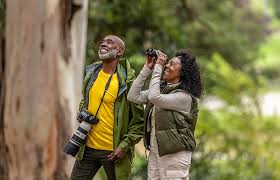
Birdwatching has undergone a major transformation. What was once seen as a quiet hobby for older generations has now become one of the most exciting and fast growing travel activities.
Get TikTok SEO Cheat here
In 2026, birdwatching is no longer just about observing birds with the naked eye or writing notes in a notebook. It has become a technology driven experience that blends science, adventure, and exploration.
The Role of Advanced Tools
One of the biggest innovations in this space is the use of smart binoculars. Devices such as the Swarovski AX Visio are equipped with built in artificial intelligence that can identify thousands of bird species instantly. All a user needs to do is focus on a bird, and the system provides the name and details in real time.
Travelers are also using digital platforms like BirdCast to plan their trips. Instead of simply visiting a location and hoping to see wildlife, they now follow migration patterns. These tools use real time radar data to show where birds are moving, allowing travelers to position themselves in the best possible spots.
Another growing trend is the use of sound recognition technology. Apps like Merlin Bird ID can analyze birdsong and match it to specific species. This has led to the rise of “ear birding,” where people identify birds based on sound alone. Even when a bird is hidden from view, its presence can still be confirmed through its call.
Read More On:
- How To Smarter Living in 2026: The Systems Changing How We Work and Live
- “Admin Night” Productivity: How to Turn Boring Chores into High-Focus Power Sessions
- Naira vs Dollar: A Steadier Finish to Q1 in the Cardoso Era
- From Business Deals to Prison Cell: Idowu Gets 30 Years for Fraud
Why It Enhances Travel
This new style of birdwatching changes how people experience destinations. It encourages travelers to visit quieter and less crowded areas such as wetlands, forests, and coastal regions that are often overlooked.
Each outing becomes more engaging, almost like a treasure hunt. Instead of passively sightseeing, travelers are actively searching, listening, and learning.
2. Mastering Coffee Culture: From Casual Drinking to Precision Craft

Coffee has always been a part of travel, but the way people engage with it is evolving. In 2026, travelers are no longer satisfied with simply finding a visually appealing cafe. They are now interested in understanding the full journey of coffee, from bean to cup.
This movement is often referred to as the direct origin approach. It focuses on the source of the coffee, the process behind it, and the techniques used to bring out its flavors.
Learning the Science of Brewing
One of the most popular tools among travelers is the Aeropress, a compact coffee maker that has become a symbol of precision brewing. People are learning how to control every detail of the process, including water temperature, brewing time, and pressure.
By adjusting these variables, they can highlight specific flavor notes within the coffee. This level of control turns a simple drink into a carefully crafted experience.
Exploring Micro Roasting
Another emerging trend is portable roasting. Instead of buying ready to use coffee, travelers are purchasing raw beans directly from farmers in countries such as Colombia and Vietnam.
Using small, portable roasting devices, they can roast the beans themselves. This allows them to experiment with different roasting levels and create unique flavor profiles that reflect their personal preferences.
Developing a Refined Taste
Many travelers are also attending coffee tasting sessions known as cupping workshops. These sessions teach participants how to identify subtle flavors within coffee, such as fruity or spiced notes.
In 2026, there is a strong interest in co fermented coffee, where beans are processed alongside fruits like peach or cinnamon. This creates more complex and layered flavors, adding depth to the tasting experience.
Why This Matters for Travel
By learning these skills, travelers bring a part of their journey home with them. Each cup of coffee becomes a reminder of where they have been and what they have learned. It transforms a daily routine into a meaningful connection to past experiences.
3. Sashiko Mending: Turning Clothing Into Stories
As sustainability becomes more important, travelers are rethinking how they consume and dispose of items. Instead of buying cheap souvenirs that may not last, many are turning to traditional crafts that have both practical and emotional value.
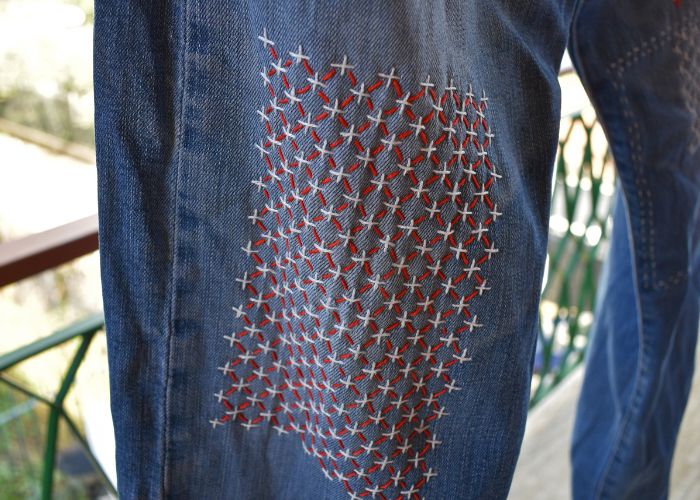
One of the most popular skills in this area is Sashiko, a Japanese method of stitching that combines repair with decoration.
Read More On:
- How To Designing Homes That Can Survive and Thrive
- Federal High Court Transfers ₦3.44 Billion Assets to Nigerian Government
- Meet “Private Sammy”: Inside the Galaxy S26 Ultra
- Gaming Power in a Tablet Body: Meet the Z13-KJP
- Your Network Fails, You Get Paid: Here’s How It Works
The Philosophy Behind the Practice
Sashiko is rooted in the idea of making the most of what you already have. A related concept, known as boro, involves repeatedly repairing fabric over time, creating layered patterns that reflect its history.
Travelers are now carrying small mending kits that include needles, thread, and basic tools. This allows them to repair clothing and gear while on the move.
Creating Meaningful Designs
Instead of discarding damaged items, travelers use Sashiko to patch and reinforce them. A torn backpack strap or worn out jacket can be repaired using fabric collected from different destinations.
Over time, these items become unique pieces that tell a story. A single jacket might feature materials from multiple countries, turning it into a visual record of one’s travels.
A Moment of Calm in a Busy World
Beyond its practical use, Sashiko also offers a mental benefit. The stitching process is slow and rhythmic, creating a calming effect. This makes it an ideal activity during long journeys, such as train rides or flights.
In a world filled with constant digital interaction, this practice provides a welcome break and encourages mindfulness.
Why It Is a Valuable Travel Skill
Sashiko reduces waste by extending the life of clothing and equipment. It also replaces the need for disposable souvenirs with something far more meaningful. Each stitch represents a moment, a place, or an experience.
A New Way to Think About Travel
The rise of skill based travel reflects a deeper shift in how people approach their journeys. Instead of focusing only on what they can see or buy, travelers are now asking what they can learn.
This mindset changes the entire experience. Observing birds becomes an opportunity to understand ecosystems. Drinking coffee becomes a lesson in science and culture. Repairing clothing becomes a way to connect with tradition and sustainability.
Final Thoughts
As you plan your travels in 2026, it is worth asking a simple question. What skill will you take home with you?
Do not just observe nature. Learn how to identify and understand it.
Do not just enjoy a drink. Learn how it is created.
Do not just wear your belongings. Learn how to care for and preserve them.
By shifting your focus from consumption to learning, travel becomes something that stays with you long after you return home. The memories are no longer just photos or objects. They become abilities, habits, and perspectives that continue to shape your everyday life.
Read More On: