


Power outages are no longer rare inconveniences that last for a few minutes before electricity returns. Across many regions of the world, unstable power supply has become a daily frustration that affects productivity, comfort, food preservation, internet connectivity, security systems, and even remote work. For many households, especially in places where grid reliability remains inconsistent, energy independence is quickly becoming one of the smartest investments a homeowner can make.
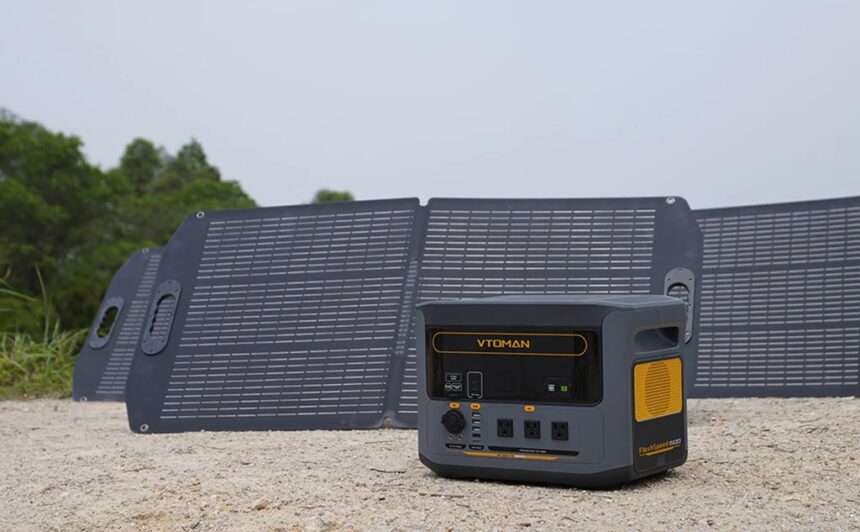
A modern solar generator is far more advanced than the small emergency battery packs people once relied on for charging phones and powering light bulbs. Today’s systems are capable of running refrigerators, televisions, routers, fans, laptops, freezers, and even heavy appliances such as air conditioners and pumping machines. They operate quietly, produce no fuel fumes, require very little maintenance, and can continuously recharge through solar panels during extended blackouts.
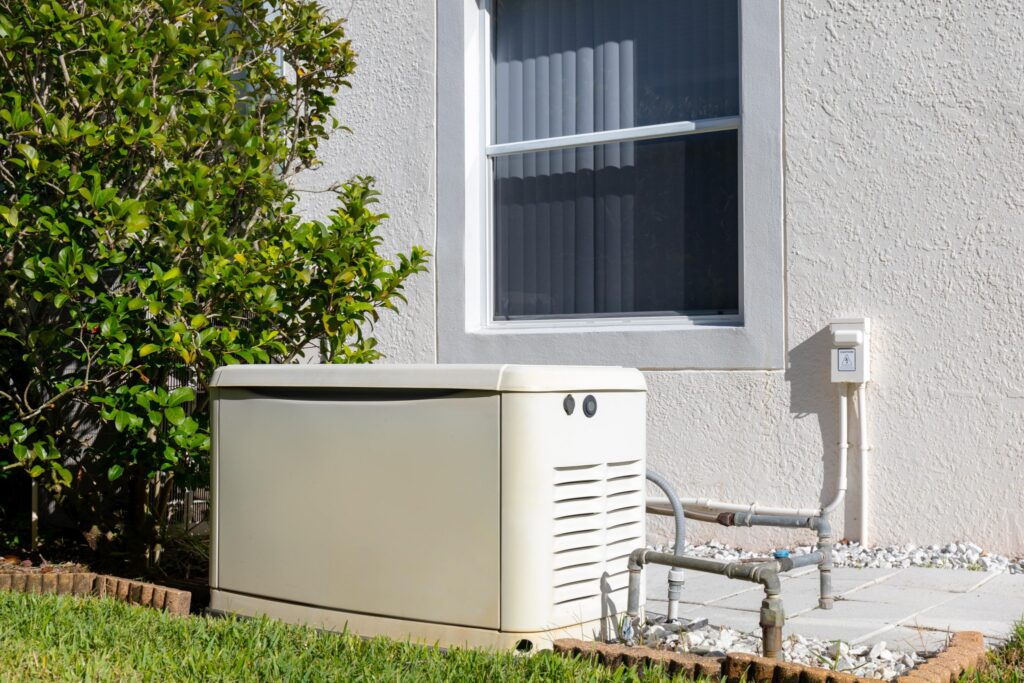
For homeowners who are tired of the rising cost of petrol and diesel generators, solar backup systems provide a cleaner and more sustainable alternative. Unlike fuel generators that require constant refilling, noisy operation, and expensive servicing, solar generators convert sunlight into usable electricity while storing excess energy inside long lasting battery systems.
This guide is designed as a practical how to handbook rather than a simple product review. You will learn how solar generators work, how to calculate the right battery size for your home, what technical specifications truly matter, and how to avoid expensive mistakes when choosing a backup power solution.
Get TikTok SEO Cheat here
Understanding What a Solar Generator Really Is
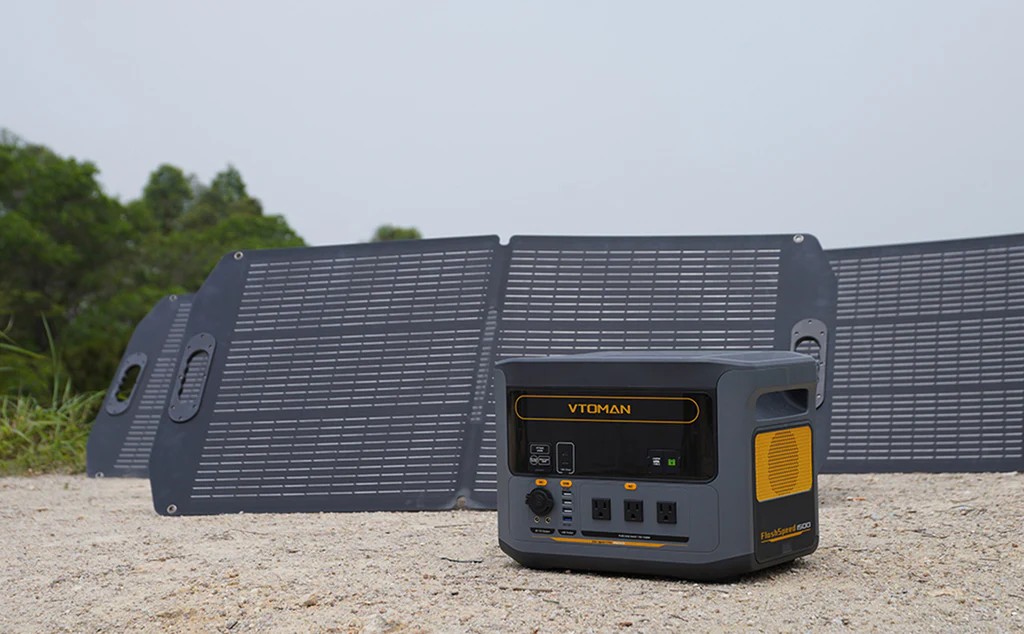
A solar generator is essentially a portable or expandable power station that combines four major components into one integrated system:
| Component | Purpose |
|---|---|
| Solar Panels | Capture sunlight and convert it into electricity |
| Battery System | Stores electricity for later use |
| Inverter | Converts stored power into usable household electricity |
| Charge Controller | Regulates energy flow safely and efficiently |
Unlike traditional fuel generators, solar generators do not burn petrol or diesel. Instead, they store clean electricity inside rechargeable batteries.
This means you can power your appliances silently throughout the night while recharging the system during the daytime using sunlight.
For households dealing with unstable electricity supply, this creates a continuous cycle of renewable energy generation and backup storage.
How to Determine the Right Solar Generator Size
One of the biggest mistakes homeowners make is buying a system without calculating their actual energy needs.
A generator that is too small will overload easily. A system that is unnecessarily large may cost far more than required.
The correct approach is to first identify your essential appliances.
Step One: List Your Essential Devices
Below is a realistic example of a basic household backup setup:
| Appliance | Estimated Wattage |
|---|---|
| Refrigerator | 200W |
| Television | 120W |
| WiFi Router | 20W |
| Laptop | 60W |
| Standing Fan | 70W |
| LED Bulbs | 50W |
Total Estimated Running Load: 520W
This means your generator must comfortably support at least 520 watts continuously.
Step Two: Calculate Required Runtime
Now determine how many hours you want backup power.
If you need 10 hours of electricity:
520W × 10 hours = 5,200Wh
This means you need roughly a 5.2kWh battery system.
Always add extra capacity for unexpected usage and battery efficiency losses.
A safer target would be a 6kWh system.
Step Three: Calculate Solar Panel Requirements
Your solar panels must be capable of recharging the battery efficiently.
If you want to recharge a 5.2kWh battery within five hours of strong sunlight:
| Battery Size | Recommended Solar Input |
|---|---|
| 2kWh | 400W to 600W |
| 5kWh | 800W to 1200W |
| 10kWh | 1500W to 2500W |
This ensures faster charging and better energy recovery during cloudy weather.
Why Battery Chemistry Matters So Much
Battery technology determines how long your solar generator will last.
Modern premium systems now rely heavily on LiFePO4 batteries, also known as Lithium Iron Phosphate batteries.
These batteries are considered the gold standard for home backup systems.
Benefits of LiFePO4 Batteries
Exceptional Lifespan
Traditional lithium batteries may last only a few hundred charging cycles before degrading significantly.
LiFePO4 batteries commonly deliver between 3,000 and 5,000 cycles.
For daily usage, this can translate into many years of reliable operation.
Improved Safety
LiFePO4 batteries are much more thermally stable.
This greatly reduces the risk of overheating and fire hazards.
For indoor home installations, safety should never be compromised.
Consistent Performance
These batteries maintain steady voltage output even as battery levels drop.
This helps protect sensitive electronics such as laptops, televisions, routers, gaming consoles, and smartphones.
Understanding Surge Power and Running Power
Many homeowners focus only on continuous wattage while ignoring surge requirements.
This can lead to frustrating startup failures.
Some appliances require significantly more electricity during startup than during normal operation.
| Appliance | Running Power | Start-up Surge |
|---|---|---|
| Refrigerator | 200W | 1200W |
| Air Conditioner | 1500W | 3500W |
| Water Pump | 800W | 2000W |
A solar generator must support both values.
If your refrigerator needs 1200W during startup, your generator must provide that surge instantly even if its normal operation only requires 200W.
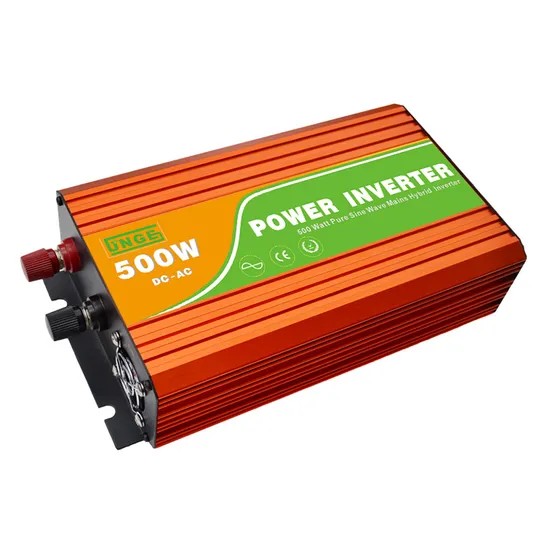
This is why high quality inverters are extremely important.
Why Pure Sine Wave Inverters Are Essential
The inverter is the heart of every solar generator.
Cheap systems often use modified sine wave inverters that produce unstable electricity.
Sensitive devices may overheat, malfunction, or suffer permanent damage under poor quality power delivery.
A Pure Sine Wave Inverter produces electricity similar to what comes directly from a standard wall outlet.
This ensures safe operation for:
- Smart TVs
- Medical equipment
- Gaming consoles
- Desktop computers
- Refrigerators
- Smartphones
- Internet routers
Never compromise on inverter quality when buying a backup system.
How Expandable Systems Future Proof Your Home
One major advantage of modern solar generators is scalability.
Instead of purchasing a massive system immediately, homeowners can start smaller and gradually expand.
For example:
| Stage | Battery Capacity |
|---|---|
| Initial Setup | 2kWh |
| Expanded Setup | 6kWh |
| Whole Home Backup | 12kWh or more |
This flexibility makes solar energy more financially manageable.
You can begin with essential appliances and later expand toward whole house backup.
Portable Power Station Versus Whole Home Backup
Not every household requires a massive installation.
The right choice depends on your lifestyle and energy expectations.
| System Type | Best For |
|---|---|
| Portable Power Station | Apartments, small homes, emergency backup |
| Expandable Backup System | Medium sized households |
| Whole Home Solar Backup | Large homes and complete energy independence |
Portable systems are easier to move and install.
Whole home systems are designed for automatic power switching during outages.
Important Features Homeowners Should Prioritize
Fast Solar Charging
A good system should recharge quickly during limited sunlight hours.
High solar input capability significantly improves recovery speed.
Smart Monitoring Applications
Modern generators often include smartphone apps that allow you to:
- Monitor battery percentage
- Track power consumption
- Adjust charging settings
- Enable energy saving modes
This improves efficiency and gives homeowners greater control.
Quiet Operation
Unlike petrol generators, solar generators operate almost silently.
This makes them ideal for residential neighborhoods, apartments, and home offices.
Low Maintenance
Solar systems require far less maintenance compared to fuel generators.
There are no oil changes, spark plugs, fuel filters, or engine servicing requirements.
Recommended Setup Strategy for Beginners
If you are just entering the world of solar backup systems, follow this simple approach:
Start With Essentials
Power only your most important appliances first.
Choose LiFePO4 Batteries
Prioritize long lifespan and safety.
Invest in Quality Solar Panels
Efficient solar panels improve charging speed dramatically.
Plan for Expansion
Buy a system that allows future battery upgrades.
Use Pure Sine Wave Inverters Only
Protect your electronics from unstable power delivery.
Final Thoughts
Choosing the best solar generator for home backup is not simply about purchasing the biggest battery or the most expensive unit. It is about understanding your household energy needs, calculating realistic power consumption, and selecting a scalable system that delivers reliability, safety, and long term value.
A properly designed solar backup system can transform the way your household experiences electricity. Instead of worrying about blackouts, fuel shortages, rising petrol costs, and noisy generators, homeowners gain quiet, dependable, and renewable energy security.
The future of home energy is no longer centered on temporary emergency solutions. It is about building a smarter, cleaner, and more independent power ecosystem that supports productivity, comfort, and peace of mind every single day.
Read More On: