


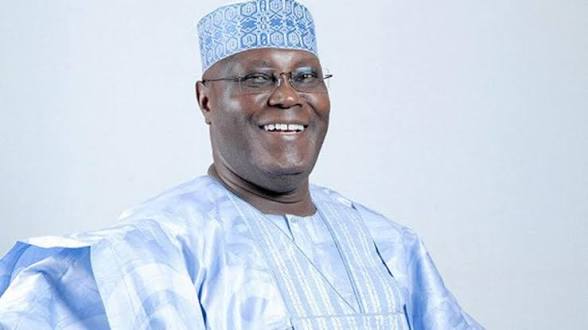
Nigeria’s political atmosphere has entered a new and intensely charged phase as fresh developments from the opposition camp continue to reshape expectations ahead of the next general election cycle. Across major political circles, discussion is no longer centered on whether the opposition can organize itself, but on who now possesses the structure, momentum, influence, and national reach to emerge as the dominant face of that coalition.
At the center of this unfolding political storm stands Atiku Abubakar, whose commanding performance in the ongoing African Democratic Congress presidential primaries has dramatically altered the internal balance of power within the party and across the broader opposition movement.
Reports emerging from multiple states indicate that Atiku has secured convincing victories in five strategically important locations, a development many analysts now describe as the first major political earthquake of the season. What initially appeared to be a competitive contest among coalition heavyweights is gradually transforming into a consolidation movement around the former Vice President.
The significance of these victories extends far beyond delegate counts or symbolic endorsements. They represent an aggressive show of organizational depth, grassroots mobilization, elite political negotiation, and national influence. In practical terms, the early results suggest that Atiku’s camp currently possesses the strongest operational machinery within the ADC structure.
Get TikTok SEO Cheat here
Even more significant is the timing.
The victories are coming at a moment when the Nigerian opposition is experiencing one of its most fragile and unpredictable transitions in modern political history. Alliances are shifting rapidly. Political loyalties are being renegotiated behind closed doors. Regional blocs are reassessing their strategic interests. Governors, lawmakers, business elites, and influential stakeholders are quietly positioning themselves ahead of what many already describe as one of the most consequential elections in the country’s democratic journey.
What has intensified public attention further is the dramatic fragmentation of the opposition alliance that had earlier generated excitement nationwide. The once celebrated political understanding involving Atiku Abubakar, Peter Obi, and Rabiu Kwankwaso appears to have fractured under the weight of internal disagreements, strategic mistrust, and competing presidential ambitions.
That split has now created two parallel opposition power centers.
On one side stands Atiku and the ADC establishment.
On the other side stands the emerging political coalition reportedly being reorganized under the Nigeria Democratic Congress structure.
This division has instantly transformed the political landscape into a fierce battle for dominance, relevance, and national legitimacy.
Inside political circles in Abuja, Lagos, Kano, Port Harcourt, and Enugu, conversations are increasingly revolving around one pressing question:
Can the opposition avoid self destruction long enough to mount a serious challenge against the ruling All Progressives Congress?
For Atiku’s supporters, the latest five state victories are being presented as proof that the former Vice President remains the most experienced and nationally connected opposition figure in the country. His camp argues that no other politician currently possesses his combination of electoral experience, elite negotiation capacity, regional penetration, and institutional political relationships.
Critics, however, believe the unfolding developments could deepen internal divisions within the opposition and eventually weaken the anti incumbency movement many Nigerians expected to gather momentum.
Yet regardless of political opinion, one fact is becoming impossible to ignore.
Atiku Abubakar has seized the political initiative.
And with every new delegate victory, the battle for Nigeria’s political future is rapidly entering an entirely new phase.
The Five State Sweep That Changed the Conversation
The latest wave of primary outcomes has fundamentally shifted political calculations inside the ADC.
What initially appeared to be isolated victories has now evolved into a coordinated and strategically significant dominance campaign spanning multiple geopolitical interests and regional voting blocs.
Political observers note that the importance of these wins lies not merely in quantity, but in geography, symbolism, and strategic messaging.
The victories stretch across critical northern territories while simultaneously extending into parts of the South, signaling a deliberate attempt to present Atiku as a nationally acceptable candidate rather than a regionally confined political figure.
Gombe Emerges as a Powerful Statement of Strength
Among all the victories recorded so far, the outcome in Gombe State has generated the loudest political reaction.
Atiku’s overwhelming performance there is being interpreted as a direct reaffirmation of his dominance within key northern political structures. The reported vote margin demonstrated not only popularity but also organizational superiority.
Political strategists believe the Gombe outcome sends several important messages simultaneously.
First, it reinforces the perception that Atiku still commands deep loyalty across substantial portions of the Northeast.
Second, it weakens arguments that his influence within northern political networks has diminished.
Third, it creates psychological momentum ahead of remaining convention battles.
Insiders within the ADC reportedly view the Gombe result as a morale boosting development capable of triggering additional endorsements from undecided delegates and political stakeholders.
For many observers, the state has now become symbolic of Atiku’s enduring northern political relevance.
Yobe Victory Strengthens Northern Consolidation
In Yobe State, the former Vice President reportedly secured another commanding advantage, further consolidating his growing northern bloc within the party.
This outcome carries strategic importance because northern delegate arithmetic continues to play a decisive role in determining the strength of presidential aspirants across major political structures.
The Yobe performance also demonstrates something deeper about Atiku’s political style.
For decades, he has built relationships extending beyond election periods. Many analysts argue that these long term alliances are now beginning to produce tangible political returns within the ADC framework.
The victory has therefore strengthened perceptions that Atiku’s network remains one of the most extensive in Nigerian politics.
Ebonyi Creates Shockwaves Across Southern Politics
Perhaps the most surprising development emerged from Ebonyi State.
Many political observers expected resistance against Atiku in parts of the Southeast following the growing influence of Peter Obi within the region. Instead, the ADC primary outcome in Ebonyi revealed a far more complicated political reality.
Atiku’s success there has triggered intense debate across southern political circles.
Several analysts interpret the result as evidence that a segment of southeastern political stakeholders may still prioritize coalition viability and national electability over purely regional calculations.
Others believe the victory reflects growing uncertainty about the fragmentation of the opposition alliance.
Regardless of interpretation, the Ebonyi outcome has become one of the most politically symbolic victories recorded so far.
It demonstrates that Atiku’s campaign is actively seeking legitimacy beyond its traditional northern strongholds.
Adamawa Delivers Predictable but Crucial Support
In Adamawa State, Atiku’s home base delivered what many expected to be a comfortable and emotionally significant victory.
Although unsurprising, the result remains critically important.
Home state dominance often serves as a political validation tool in Nigerian politics. Any sign of weakness within a candidate’s traditional base can become ammunition for rivals.
Instead, Adamawa delivered overwhelming reassurance to Atiku’s supporters.
The result has strengthened perceptions of internal cohesion within his political family and regional structures.
Kogi Provides Strategic North Central Advantage
The victory in Kogi State may ultimately prove to be one of the most strategically valuable wins of the entire primary process.
Kogi occupies a politically sensitive position within Nigeria’s electoral map because of its intersection between northern and southern political interests.
Winning there gives Atiku an opportunity to project broader national appeal while also strengthening his influence within the North Central zone.
Political analysts believe the Kogi result significantly improves his bargaining power ahead of the national convention phase.
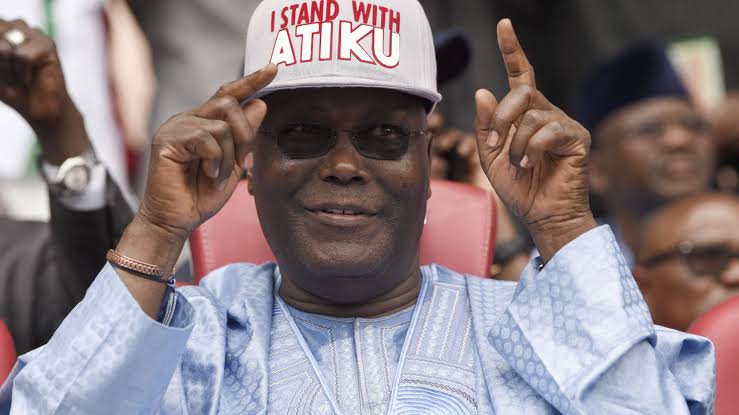
Primary Results Snapshot
| State | Outcome | Political Impact |
|---|---|---|
| Gombe | Massive Atiku lead | Reinforced Northeast dominance |
| Yobe | Strong victory | Expanded northern consolidation |
| Ebonyi | Strategic breakthrough | Demonstrated southern penetration |
| Adamawa | Home base dominance | Confirmed internal loyalty |
| Kogi | Major strategic win | Strengthened North Central influence |
ADC Internal Dynamics Begin to Shift
Within the ADC, the consequences of these victories are already becoming visible.
Party stakeholders who initially maintained neutral positions are reportedly beginning to reassess their alignments. Political negotiations have intensified behind closed doors as delegates calculate where momentum is moving.
Several political observers now believe the party may gradually evolve from a competitive primary environment into a consolidation structure centered around Atiku’s candidacy.
This does not necessarily mean opposition within the party has disappeared.
However, momentum in politics often influences perception, and perception frequently shapes delegate behavior.
Atiku’s camp appears fully aware of this reality.
That is why every victory is being amplified as proof of inevitability.
The Peter Obi and Kwankwaso Factor
The emerging split involving Peter Obi and Rabiu Kwankwaso remains one of the biggest variables in the unfolding political equation.
Their reported movement away from the ADC structure has introduced a fresh layer of uncertainty into opposition politics.
Supporters of the proposed Nigeria Democratic Congress argue that the coalition still possesses substantial grassroots energy, particularly among younger voters and reform oriented constituencies.
However, critics insist the fragmentation could ultimately weaken opposition coordination nationwide.
The biggest concern revolves around vote splitting.
If multiple opposition structures field competing presidential candidates, the ruling APC could benefit from divided resistance across key battleground states.
That possibility is now dominating elite political conversations nationwide.
Why These Developments Matter Nationally
The implications of the ADC primary outcomes extend beyond internal party politics.
They directly affect:
| Political Area | Potential Effect |
|---|---|
| Opposition Unity | Increased pressure for coalition negotiations |
| Regional Politics | Renewed North South strategic calculations |
| Delegate Alignments | Possible wave of endorsements toward Atiku |
| Campaign Momentum | Earlier national mobilization advantage |
| APC Strategy | Likely recalibration of ruling party response |
Political Tension Continues to Rise
Across Nigeria’s political landscape, anticipation is intensifying.
Inside hotels, government houses, private residences, campaign offices, and party secretariats, discussions continue late into the night as stakeholders attempt to interpret the rapidly changing terrain.
For supporters of Atiku Abubakar, the latest victories represent evidence of political experience triumphing over uncertainty.
For rival camps, they represent an urgent warning that the ADC race may be slipping toward early consolidation.
For ordinary Nigerians watching closely, the developments signal that the road to the next general election is already becoming fiercely competitive, emotionally charged, and politically unpredictable.
One thing, however, is becoming increasingly clear.
The opposition battle is no longer theoretical.
It has fully begun.
And at this moment, Atiku Abubakar appears firmly positioned at the center of it.
Read More On: