


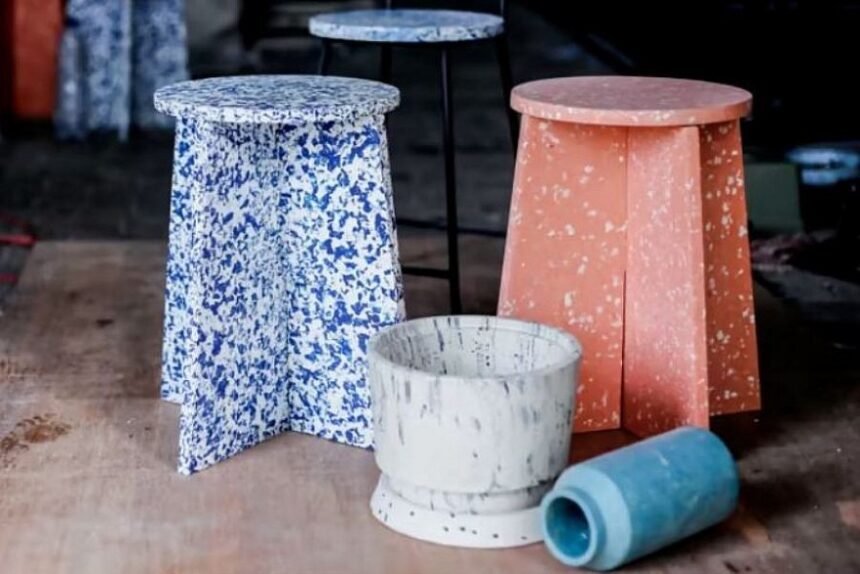
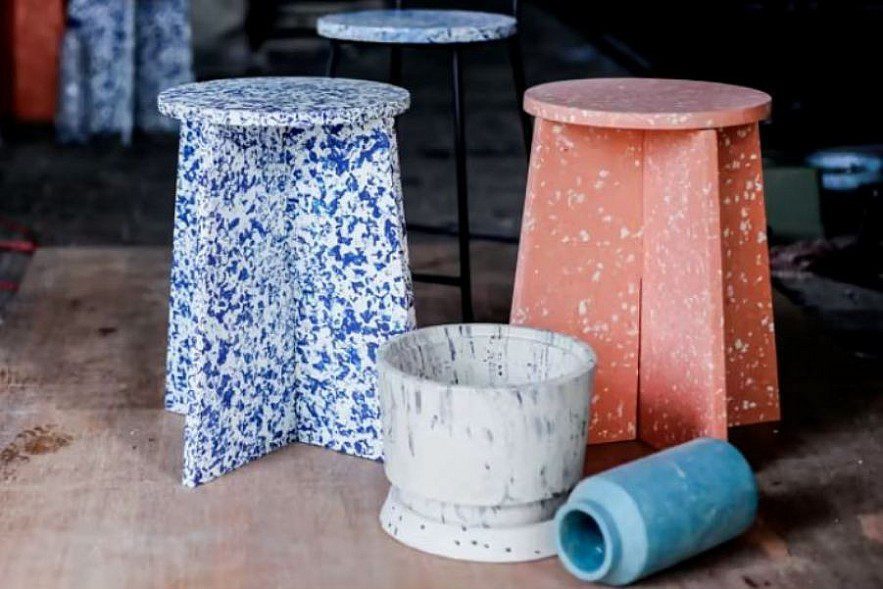
In recent times, the way people approach home decoration, especially during festive seasons, has evolved in a remarkable and refreshing way. The era of quick, disposable decorations is gradually fading, giving room to a more thoughtful and refined approach known as elevated upcycling.
This shift is not just about saving money or reusing old items. It is about transforming everyday objects into something beautiful, artistic, and meaningful. Instead of relying on bright plastic decorations that often feel artificial, many people are now embracing designs inspired by natural elements such as stone, clay, and earth.
One of the most captivating trends within this movement is the transformation of ordinary plastic eggs into elegant stone like decorative pieces. With the right techniques, materials, and patience, these simple items can be turned into stunning works of art that resemble handcrafted ceramics.
This guide walks you through the entire process in a detailed and easy to follow manner, helping you achieve a professional result that looks both sophisticated and natural.
Get TikTok SEO Cheat here
Understanding the Concept of Elevated Upcycling
At the heart of this creative process is a simple idea. Instead of discarding old items or leaving them unused, you give them a completely new identity.
The goal is to:
- Remove the obvious signs of plastic such as shine and smoothness
- Replace them with textures that feel organic and grounded
- Create an illusion that the object is made from natural materials
This approach is often described as material transformation. You are essentially tricking the eye into seeing something entirely different from what it actually is.
Why Chalk Paint Is Essential
A major factor in achieving this transformation is the type of paint used.
Chalk paint is highly recommended because:
- It adheres well to smooth surfaces like plastic
- It provides a matte finish that eliminates unwanted shine
- It creates a slightly rough texture that resembles raw clay
Unlike regular paint, which may slide off or appear too glossy, chalk paint gives your project a solid foundation that looks authentic and natural.
Read More On:
- From Search to Sale: How Google’s AI Mode Is Reshaping Digital Commerce.
- How to Control Aphids Naturally Without Harming Your Garden
- Oil Surges Past $111 as Global Markets React
- Understanding AI Privacy and How to Stay Safe.
Materials You Will Need
Before starting, it is important to gather all the necessary tools and materials.
Basic Items
- Plastic eggs of any size or color
- Chalk paint in earthy tones such as soft white, stone grey, clay brown, or muted green
- Foam sponges for creating texture
- Small paint brushes for detail work
- Wooden skewers for handling the eggs
Optional Enhancements
- Plaster of Paris to add extra texture
- Gold leaf sheets for decorative accents
- Gilding adhesive for attaching the gold leaf
- A toothbrush for creating natural speckles
Having these materials ready will make the process smoother and more enjoyable.
Preparing the Plastic Eggs
Preparation is one of the most important steps in this process.
Plastic eggs usually come in two halves that snap together, and this creates a visible line across the surface. If this is not addressed, the final result will still look artificial.
Steps for Preparation
- Apply a strong adhesive to join the two halves permanently
- Allow the glue to dry completely before moving forward
- Use fine sandpaper to gently smooth out the seam
- Continue sanding until the surface feels like one continuous shape
To make handling easier:
- Insert a wooden skewer into a small hole in the egg
- This allows you to paint without touching the surface
This stage ensures that your base is smooth and ready for transformation.
Read More On:
- AI Max Goes Global: The End of Traditional Keyword Targeting
- Wake Up Fresh Every Day with Biometric Alarms: The Smart Way to Beat Morning Grogginess
- ECOWAS Investment Drive Puts Nigeria Infrastructure Projects at the Center of $266.7M Plan
- Africa Technology Expo Targets Massive Deal Growth in Lagos.
Creating the Stone Like Base
Now comes the stage where the real transformation begins.
Mixing for Texture
If you want a more realistic stone effect:
- Mix chalk paint with a small amount of plaster
- This creates a thicker consistency that mimics natural material
Applying the Paint
Instead of brushing the paint in smooth strokes:
- Use a sponge or dab with a brush
- Apply the paint in a tapping motion
- Build up layers gradually
This method creates tiny irregular patterns that resemble natural stone surfaces.
Building Layers
- Apply two to three thin layers
- Allow each layer to dry before adding the next
- Lightly sand any rough spots if needed
This layering process gives depth and authenticity to the final look.
Adding Natural Speckled Details
Real stone surfaces are rarely plain or uniform. They often have small variations in color and pattern.
To recreate this effect:
Speckling Technique
- Dip a toothbrush into a darker shade of paint
- Gently flick the bristles toward the egg
- Repeat the process with lighter colors if desired
This creates a scattered pattern that looks natural and unforced.
For a more refined result:
- Start with lighter speckles
- Add a few darker ones for contrast
This combination enhances the illusion of real stone.
Applying Gold Accents
To elevate the design further, you can introduce subtle gold details.
This technique is inspired by the idea of highlighting imperfections and turning them into beauty.
How to Apply Gold Leaf
- Use a fine brush to apply adhesive in thin, uneven lines
- Allow the adhesive to become slightly sticky
- Gently place the gold leaf onto the surface
- Press lightly to ensure it sticks properly
- Use a soft brush to remove excess material
The result is a delicate, shimmering detail that adds elegance without overpowering the natural look.
Styling and Display Ideas
Once your eggs are complete, how you display them plays a huge role in the final effect.
Creative Display Options
- Place them in a wooden bowl filled with dried moss
- Arrange them in small clusters on a decorative tray
- Display a single piece under a glass cover for a gallery style look
- Combine different shades and sizes for visual interest
The key is to keep the arrangement simple and allow the texture and detail to stand out.
Care and Storage
To keep your creations looking their best:
- Clean them gently with a soft cloth
- Avoid exposure to water
- Store them individually in soft wrapping to prevent damage
Proper care ensures they can be reused for many seasons.
The Bigger Picture
This creative process goes beyond decoration. It reflects a broader shift toward mindful living.
By transforming unused plastic into elegant décor:
- You reduce waste
- You create something unique
- You add a personal touch to your space
Turning simple plastic eggs into stone inspired decorative pieces is more than just a craft project. It is a way to express creativity, embrace sustainability, and bring a sense of calm, natural beauty into your home.
With patience and attention to detail, you can create pieces that look like they belong in a carefully curated boutique rather than something that started as a basic household item.
This is the beauty of elevated upcycling. It reveals that even the most ordinary objects can become extraordinary when approached with intention and creativity.
Read More On:
- Wema Bank Reports ₦222.1 Billion Profit Before Tax in 2025 Results.
- Create a Recovery Zone That Helps You Relax and Recharge.
- Nigeria’s Blue Economy Generates ₦1.83 Trillion as Maritime Revenue Surges
- The Endurance King: Vivo V70 FE Delivers Unmatched Battery Life
- Redmi Note 15 SE: The Smartphone That Redefines Affordable Excellence