
Nigeria’s public health system has been placed on heightened alert following a fresh warning from the Nigeria Centre for Disease Control and Prevention over the growing risk of cholera outbreaks across several states.
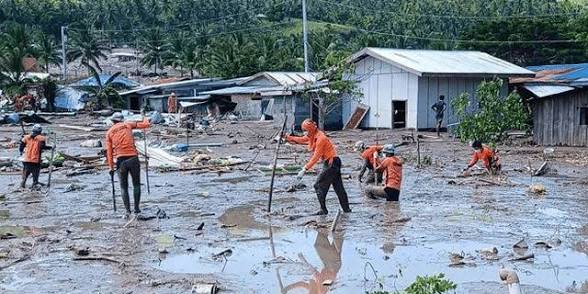
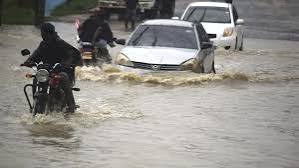
The warning comes amid forecasts of heavy rainfall and potential flooding, conditions that historically trigger a surge in waterborne diseases. Health authorities are urging immediate preventive action as early signs already indicate rising infection trends in parts of the country.
Ten States Identified as High Risk Zones
According to the NCDC, at least ten states are currently facing an elevated risk of cholera outbreaks due to expected flooding and environmental conditions that could compromise sanitation systems.
The affected states include:
Get TikTok SEO Cheat here
• Enugu
• Kaduna
• Adamawa
• Kogi
• Niger
• Osun
• Oyo
• Plateau
• Taraba
• Kwara
This advisory follows meteorological projections indicating intense rainfall across these regions within a short period, raising fears of flooding that could contaminate water sources and accelerate disease transmission.
Why Flooding Increases Cholera Risk
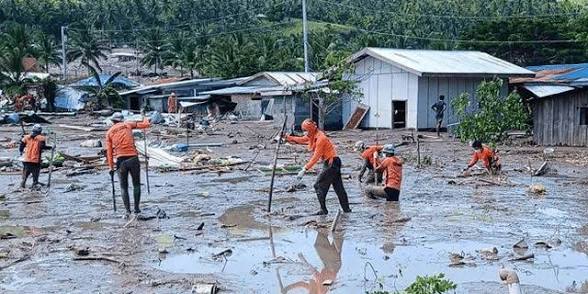
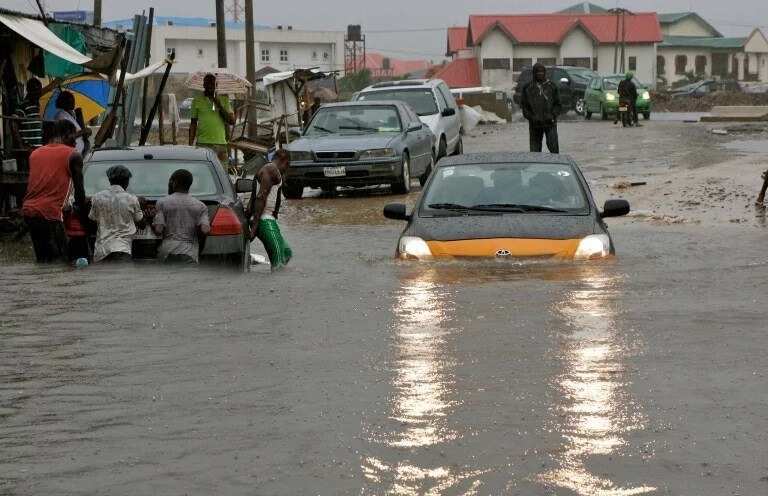
Flooding is not just an environmental issue. It is a major public health threat, especially in regions where access to clean water and sanitation infrastructure is already limited.
Health experts explain that floodwaters often mix with sewage, waste, and harmful bacteria, leading to widespread contamination of drinking water sources.
Key reasons flooding triggers cholera outbreaks include:
• Contamination of rivers, wells, and boreholes with bacteria
• Overflow of sewage systems into residential areas
• Increased use of unsafe water for drinking and cooking
• Displacement of communities into overcrowded shelters
• Poor hygiene conditions in flood affected environments
The NCDC has emphasized that these conditions create an ideal environment for the spread of cholera, a disease caused by ingesting contaminated food or water.
Read More On: Financial Loss Hits ₦174.12 Billion for DisCos Despite Better Billing Efficiency
Early Warning Signs Already Emerging
The agency has revealed that surveillance data already shows an upward trend in cholera activity across several parts of Nigeria, even before the peak of the rainy season.
This early rise is particularly concerning because it suggests that the country could face a more severe outbreak if preventive measures are not taken immediately.
Health officials have described the current situation as a “critical window” where early intervention could prevent widespread infections and fatalities.
What is Cholera and Why It Is Dangerous?
Cholera is a severe diarrheal disease that can lead to rapid dehydration and death if not treated promptly.
Key symptoms include:
• Profuse watery diarrhea
• Vomiting
• Rapid dehydration
• Muscle cramps
• Weakness and fatigue
Without urgent medical attention, cholera can become fatal within hours, making early detection and treatment extremely important.
Despite being preventable and treatable, cholera remains a recurring public health challenge in Nigeria due to gaps in sanitation and access to clean water.
Government and Health Agency Response Measures
In response to the looming threat, the NCDC has activated several preparedness strategies aimed at minimizing the risk of outbreaks.
These include:
• Strengthening disease surveillance systems across states
• Deploying rapid response teams to high risk areas
• Stockpiling essential medical supplies and treatment kits
• Collaborating with state governments and health partners
• Launching public awareness campaigns on hygiene practices
The agency has also urged healthcare workers to remain vigilant and report suspected cases immediately to prevent community spread.
Read More On: Nigeria and Indian Firm Ink $1 Billion Steel Deal to Bolster Industry
Public Advisory and Safety Guidelines
Authorities are calling on Nigerians, especially those in flood prone areas, to take proactive steps to protect themselves and their families.
Recommended safety measures include:
• Drink only clean, boiled, or treated water
• Wash hands regularly with soap and clean water
• Avoid open defecation and ensure proper waste disposal
• Cook food thoroughly and store it safely
• Seek immediate medical care if symptoms appear
Communities are also encouraged to maintain clean environments and eliminate sources of stagnant water that could worsen health risks.
A Recurring National Challenge
Cholera outbreaks in Nigeria are closely linked to seasonal rainfall patterns, poor sanitation infrastructure, and limited access to safe drinking water.
Experts warn that without long term investment in water, sanitation, and hygiene systems, the country will continue to face repeated outbreaks each year.
Flooding only amplifies these existing vulnerabilities, turning what could be a manageable situation into a full scale public health crisis.
Rising Concerns Among Experts and Citizens
Public health experts have expressed concern that the combination of climate related flooding and existing sanitation challenges could strain Nigeria’s healthcare system if the situation escalates.
Residents in high risk areas are also being urged to remain alert, as early response at the community level is critical in preventing widespread transmission.
The NCDC has reiterated that preventing cholera is a shared responsibility between government agencies, healthcare providers, and the general public.
A Race Against Time
As heavy rains approach and flood risks increase, Nigeria stands at a crucial moment in its public health response.
The warning issued by the NCDC is not just a routine advisory but a call for urgent action.
With early signs of rising infections already visible, the coming weeks will determine whether the country can contain the threat or face another widespread cholera outbreak.
Preparedness, awareness, and collective responsibility will be the key factors in shaping the outcome.
Read More On: CBN Aims to Cut Legal Battles with New Loan Dispute Mediation Panel