


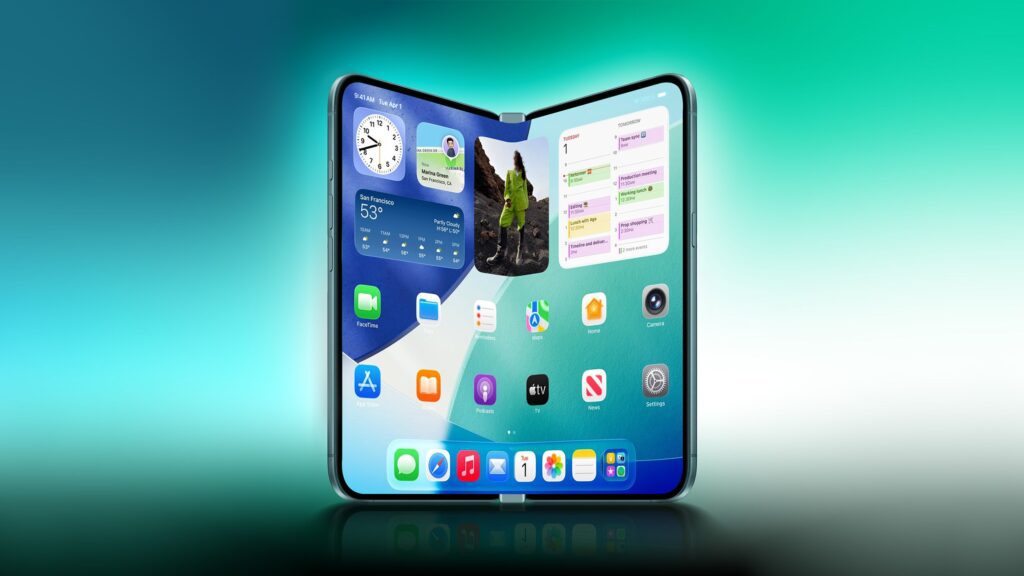
A Defining Moment for the Future of Smartphones
The global tech ecosystem has reached a moment that analysts have anticipated for years. As of 2026, consistent reports from respected outlets such as Forbes and Bloomberg, along with insights from supply chain experts, confirm that Apple is no longer experimenting from the sidelines. The company is now actively executing a bold and calculated shift into the foldable smartphone category.
This move is not just about releasing a new device. It represents a structural change in how smartphones will be designed, marketed, and used going forward. Internally referred to as the iPhone Ultra, the foldable device signals Apple’s transition from incremental upgrades to a new computing paradigm that blends portability with productivity.
The Ultra Branding Strategy
Redefining Premium Technology
One of the most intentional decisions Apple appears to have made is abandoning the expected naming convention. Instead of introducing a product called iPhone Fold or iPhone 18 Fold, the company is reportedly positioning this device as the iPhone Ultra.
This naming shift is far more than cosmetic. It establishes a completely new hierarchy within Apple’s ecosystem.
Get TikTok SEO Cheat here
Why this matters in practical terms
- Apple is creating a category above the Pro Max tier
- The Ultra label communicates exclusivity, power, and cutting edge engineering
- It prepares consumers psychologically for a significantly higher price point
The rumored starting price of over 2,400 dollars is not accidental. Apple is deliberately placing this device in a luxury tech segment where buyers are less price sensitive and more focused on innovation and status.
The Passport Form Factor Explained
Unlike the tall and narrow foldables popularized by competitors like Samsung, Apple is reportedly adopting a wider and shorter design.
- The unfolded screen is expected to feature a 4 to 3 aspect ratio
- This closely mirrors the proportions of the iPad Mini
- It provides a more natural reading, editing, and multitasking experience
This design choice is critical because it shifts the device from being a novelty into a serious productivity tool. Users are not just consuming content. They are working, editing, and creating on a single device.
Engineering Breakthroughs
Solving Problems Others Tolerated
Apple’s late entry into the foldable market has often been criticized. However, this delay now appears to be strategic rather than reactive.
The company has focused heavily on solving two major pain points that have plagued foldable devices since their inception.
The Crease Problem
Most foldable phones show a visible crease along the folding line. While some users accept it, it has always been a compromise.
Apple’s approach reportedly includes:
- A redesigned hinge system that distributes pressure more evenly
- Advanced display layering to reduce visible distortion
- A new surface treatment that improves light reflection consistency
Titanium Alloy Hinge
Apple is said to be using a specialized titanium alloy rather than traditional materials.
This results in:
- Increased durability over long term usage
- Reduced mechanical fatigue from repeated folding
- A lighter yet stronger structural frame
Self Healing Display Technology
Perhaps the most futuristic element is the rumored self healing display coating.
- Minor scratches gradually disappear over time
- The screen maintains visual clarity even after extended use
- Long term wear is significantly reduced
This is a major step forward because durability has always been the biggest concern for foldable buyers.
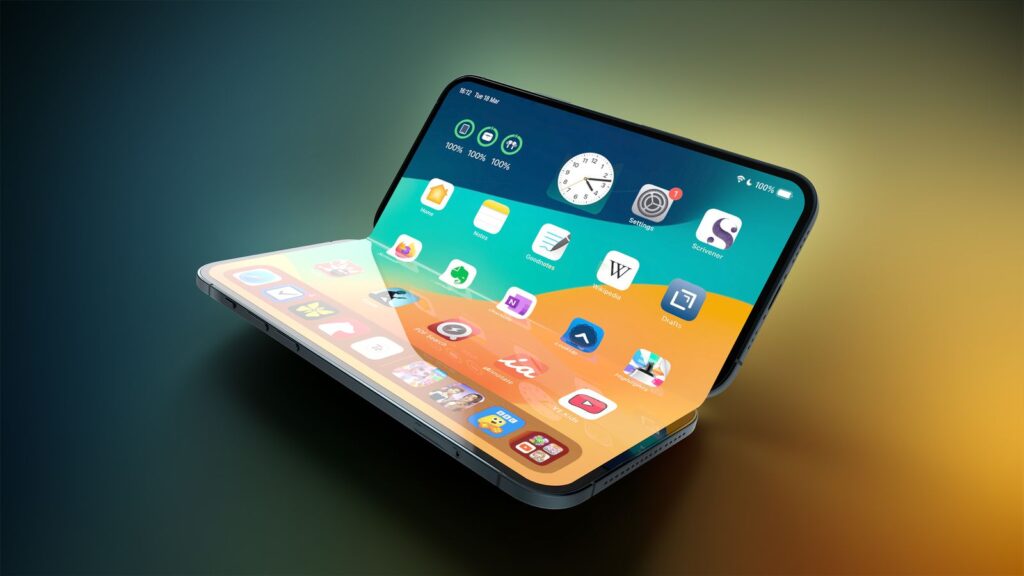
A Complete Reset for Digital Marketing and Content Creation
Apple’s entry into foldables is not just a hardware evolution. It is forcing a complete rethink of digital experiences.
Responsive Advertising Enters a New Era
Traditional mobile ads were designed for fixed screen sizes. With foldables, this is no longer sufficient.
Marketers must now design content that:
- Adapts instantly between compact and expanded displays
- Maintains visual quality across different orientations
- Provides seamless interaction without distortion
Content Consumption Becomes Cinematic
The wider display format changes how users consume media.
- Reduced black bars when watching videos
- Better immersion for streaming platforms
- Increased demand for high resolution content
Implications for Creators
Content creators must evolve their approach:
- Videos need to be optimized for wider aspect ratios
- User interfaces must scale fluidly
- Apps must support multitasking environments
This is not a small adjustment. It is a complete redesign of the mobile content ecosystem.
Market Disruption and Competitive Pressure
Apple’s entry into the foldable market is expected to trigger a major industry reaction.
Projected Market Impact
Analysts estimate:
- Foldable market growth could exceed 30 percent annually
- Apple could capture a significant share of total market value within its first year
The Samsung Factor
Samsung has dominated the foldable space for years. However, Apple’s entry changes the dynamics.
- Samsung will face direct competition in the premium segment
- Design strategies across the industry may shift toward wider displays
- Innovation cycles are likely to accelerate
Production Challenges
Despite the excitement, Apple is facing real manufacturing hurdles.
- Engineering validation delays have pushed production timelines
- Mass production is now expected later in the year
- Limited initial supply could increase demand and exclusivity
Software Integration
The Real Game Changer
Hardware alone cannot define a successful foldable experience. Apple’s true advantage lies in software integration.
The Role of iOS 20
The foldable device is expected to run a specialized version of iOS designed for dual screen interaction.
Dynamic Continuity
This feature allows:
- Seamless transition between outer and inner displays
- Drag and drop functionality across screen states
- Instant resizing of apps without lag
Why this matters
Apple controls both hardware and software. This gives it a level of optimization that competitors often struggle to achieve.
The result is:
- Smoother user experience
- Better app compatibility
- Reduced fragmentation

Expected Specifications Overview
Here is a detailed look at what industry insiders are projecting:
- Inner display of 7.8 inches with high refresh rate
- Outer display designed for quick interactions
- Advanced processor built on next generation architecture
- Storage options scaling up to professional levels
- Dual cell battery system for improved efficiency
- Fast charging capabilities that match modern expectations
A New Era Begins
This pivot is not just about Apple entering a new category. It represents a shift in how mobile devices are perceived.
The traditional smartphone has reached a point where improvements are incremental. Foldable technology breaks that cycle by introducing a new form factor that expands functionality.
What this means for users
- One device can replace both phone and tablet
- Productivity becomes more mobile and flexible
- Entertainment becomes more immersive
What this means for the industry
- Competitors must innovate faster
- Developers must redesign applications
- Marketers must rethink engagement strategies
Apple’s move into foldables marks the end of a long period of cautious evolution in the smartphone space. This is not just another product launch. It is a signal that the next phase of mobile computing has begun.
For consumers, it introduces a new level of versatility. A businesses and marketers, it creates new opportunities and new challenges. For the tech industry as a whole, it resets the standard.
The era of the static smartphone is fading. In its place, a dynamic and adaptive future is taking shape.
Read More On: