


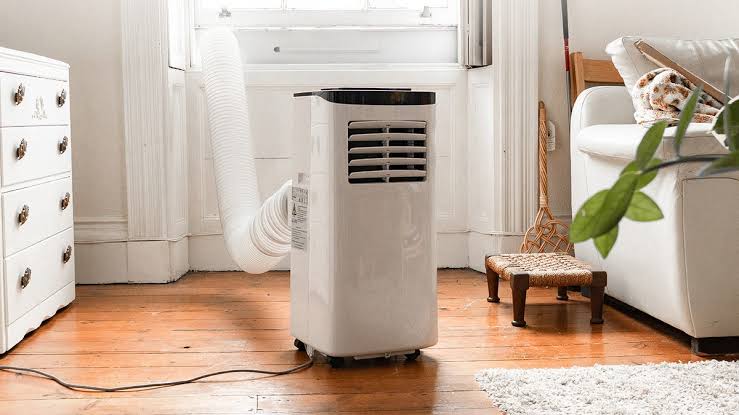
When temperatures become unbearable, productivity drops, sleep becomes uncomfortable, and even relaxing indoors can feel exhausting. In compact apartments, student hostels, studio spaces, home offices, or small bedrooms, heat tends to build up quickly because there is limited airflow and less open space for ventilation. Unfortunately, many people discover too late that ordinary standing fans or desk fans do little more than circulate warm air around the room.
This is where portable air conditioners become incredibly valuable.
Unlike bulky window units that may require permanent installation, drilling, or landlord approval, portable air conditioners offer a flexible and practical cooling solution. They are specifically designed to cool confined spaces efficiently while remaining movable, compact, and easy to install. For renters, students, remote workers, and anyone living in a smaller environment, they provide a balance between convenience, performance, and affordability.
However, choosing the right portable AC for a small room is not as simple as buying the most powerful machine available. Many people assume that a higher BTU automatically means better cooling, but this is often a costly mistake. A unit that is excessively powerful for a tiny room can create uneven cooling, excessive humidity, unnecessary energy consumption, and constant compressor cycling that shortens the lifespan of the appliance.
Get TikTok SEO Cheat here
The secret lies in understanding how to properly match the air conditioner to your room size, cooling needs, noise preferences, and energy expectations.
This guide explains exactly how to choose the best portable air conditioner for a small room, what technical specifications truly matter, how to avoid common buying mistakes, and which features will genuinely improve your daily comfort.
Why Proper Sizing Is Extremely Important
Before selecting any portable air conditioner, the first thing you must understand is cooling capacity.
Portable AC units are measured in BTUs, which means British Thermal Units. BTU ratings indicate how much heat the unit can remove from a room within a specific period.
For small rooms between 100 and 250 square feet, the ideal cooling range is usually:
| Room Size | Recommended BTU |
|---|---|
| 100 to 150 sq ft | 6,000 to 8,000 BTU |
| 150 to 200 sq ft | 8,000 BTU |
| 200 to 250 sq ft | 8,000 to 10,000 BTU |
Choosing the wrong size creates major performance issues.
What Happens If the Unit Is Too Weak
A portable AC with insufficient cooling capacity will struggle continuously. The machine may run all day without ever reaching the desired temperature. This increases electricity usage while delivering disappointing comfort.
Common signs include:
- Constant operation without cooling properly
- Warm corners remaining in the room
- Poor humidity control
- Higher energy bills
- Faster wear on internal components
What Happens If the Unit Is Too Powerful
Many buyers mistakenly purchase oversized units believing they will cool faster and better. In reality, oversized portable ACs often create uncomfortable indoor conditions.
An oversized machine cools the air too quickly and shuts off before removing enough moisture from the room. As a result, the room feels damp, clammy, and unpleasant despite being cold.
This process also causes:
- Frequent compressor cycling
- Increased electricity consumption
- Uneven room temperature
- Reduced long term efficiency
Proper sizing is the foundation of efficient cooling.
Understanding Single Hose and Dual Hose Systems
One of the most important technical decisions involves choosing between a single hose and dual hose portable air conditioner.
Single Hose Portable AC
Single hose systems are the most common and budget friendly.
They work by:
- Pulling warm air from inside the room
- Cooling the air internally
- Expelling heat outdoors through one exhaust hose
Advantages
- More affordable
- Easier to install
- More compact
- Ideal for smaller rooms
Disadvantages
Because the unit removes indoor air, it creates negative pressure. This means warm outdoor air can slowly seep back into the room through tiny gaps around doors and windows.
Even with this limitation, single hose systems remain highly effective for compact spaces.
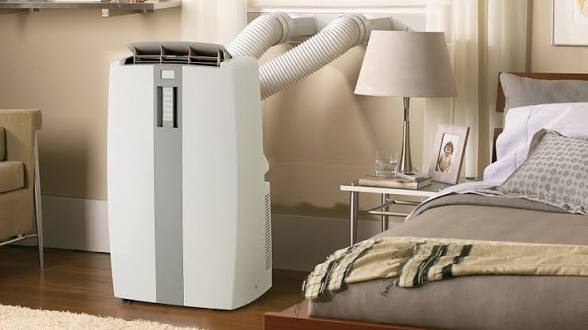
Dual Hose Portable AC
Dual hose units use:
- One hose to pull fresh air from outside
- Another hose to expel hot air outdoors
This design dramatically improves cooling efficiency.
Advantages
- Faster cooling
- Better energy efficiency
- Reduced negative pressure
- More stable room temperatures
Disadvantages
- Bulkier design
- Higher price
- Slightly more complex installation
For very small rooms, single hose systems are usually sufficient. However, dual hose units become valuable in extremely hot climates or poorly ventilated spaces.
Key Features You Should Prioritize
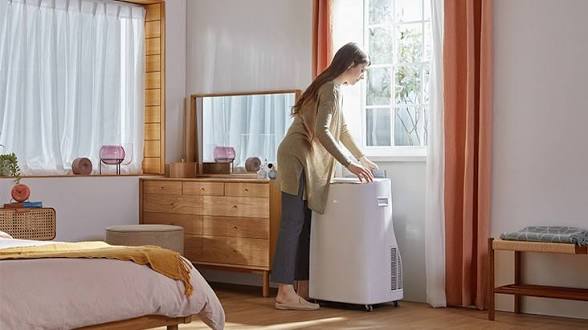
Noise Levels
Portable air conditioners naturally produce sound because they contain compressors and fans.
For bedrooms or workspaces, noise becomes a major factor.
| Noise Level | Experience |
|---|---|
| 40 to 45 dB | Very quiet |
| 46 to 50 dB | Moderate hum |
| Above 52 dB | Noticeably loud |
If you work remotely, record videos, study frequently, or sleep lightly, prioritize low decibel models with quiet operation modes.
Some advanced units use insulated compressors and improved airflow engineering to significantly reduce noise output.
Energy Efficiency
Electricity consumption matters greatly when the AC operates daily.
Energy efficient models save money over time while maintaining stable cooling.
Features That Improve Efficiency
- Inverter technology
- Programmable timers
- Sleep modes
- Eco modes
- Smart temperature sensors
Inverter compressors are especially valuable because they adjust speed gradually instead of constantly switching fully on and off.
This reduces:
- Energy spikes
- Temperature fluctuations
- Long term wear
Drainage Systems
Portable air conditioners naturally remove moisture from the air while cooling.
The way the unit handles this moisture affects maintenance requirements.
Manual Drain Models
These collect water inside an internal tank.
Once full, the machine stops operating until drained manually.
This can become frustrating in humid environments.
Auto Evaporation Systems
More advanced portable ACs automatically evaporate collected moisture through the exhaust hose.
Benefits include:
- Less maintenance
- Continuous operation
- Reduced interruption
- Better convenience
For daily use, drainage free systems are significantly more practical.
How to Properly Install a Portable AC
Even the best air conditioner performs poorly if installed incorrectly.
Keep the Exhaust Hose Short
The hose carries hot air outdoors.
A long hose radiates heat back into the room, reducing efficiency.
Best Practice
- Keep the hose as straight as possible
- Avoid sharp bends
- Minimize hose extension length
Seal the Window Properly
Poor sealing allows outdoor heat to leak indoors continuously.
Use:
- Foam insulation strips
- Fabric sealing kits
- Adjustable window panels
A properly sealed window dramatically improves cooling performance.
Allow Proper Airflow Clearance
Portable AC units require breathing space around intake vents.
Never place the machine directly against furniture, curtains, or walls.
Recommended Clearance
| Area | Recommended Space |
|---|---|
| Rear intake | 12 to 18 inches |
| Side vents | 6 to 12 inches |
Restricted airflow forces the system to work harder and reduces cooling effectiveness.
Best Portable AC Types for Different Needs
| Need | Best Choice |
|---|---|
| Quiet sleeping environment | Ultra quiet smart portable AC |
| Budget friendly cooling | Compact single hose unit |
| Maximum energy savings | Inverter dual hose model |
| Temporary student housing | Lightweight portable unit |
| Humid environments | Auto evaporation systems |
Additional Tips for Maximum Cooling Efficiency
Block Sunlight
Direct sunlight dramatically increases room temperature.
Use:
- Blackout curtains
- Reflective window films
- Thick blinds
This reduces heat gain substantially.
Cool the Room Early
Start cooling before peak afternoon temperatures arrive.
This prevents heat buildup and reduces strain on the AC.
Avoid Heat Producing Appliances
Computers, gaming systems, ovens, and bright lighting add heat to compact spaces.
Reducing unnecessary heat sources improves overall cooling performance.
Final Thoughts
Choosing the best portable air conditioner for a small room is ultimately about balance.
The ideal unit should provide:
- Proper BTU sizing
- Efficient cooling
- Quiet operation
- Low energy consumption
- Easy maintenance
- Practical installation
Instead of focusing only on brand names or maximum power, prioritize how the machine fits your actual room size and lifestyle needs.
A properly selected portable AC transforms small spaces completely. It improves sleep quality, increases productivity, enhances comfort, and creates a far more enjoyable indoor environment during intense heat.
When chosen carefully and installed correctly, even a compact portable air conditioner can make a small room feel consistently cool, refreshing, and comfortable throughout the hottest periods of the year.
Read More On: