


A Deep Dive into Smart Living
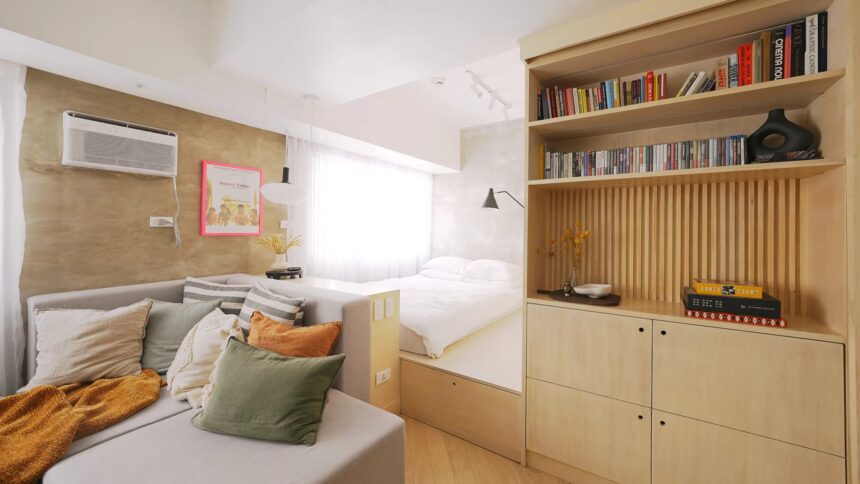
Living in a compact urban environment demands a level of strategic planning that goes far beyond simple interior design. As cities become more densely populated, the “tiny apartment” lifestyle has transitioned from a temporary compromise to a sophisticated, modern choice. However, the success of this lifestyle hinges on one critical factor: Spatial Optimization. Without a deliberate storage strategy, a small home can quickly shift from cozy to chaotic, leading to increased stress and decreased productivity.
This comprehensive guide explores the most innovative and effective storage methodologies available today. We are moving beyond basic “tidying up” to look at high-level organizational systems, ranging from vertical real estate exploitation to the psychology of “hidden” storage. Whether you are navigating a studio in a major metropolitan hub or a compact flat in the suburbs, these clever hacks are designed to maximize every cubic inch of your home while maintaining a sleek, professional aesthetic.
1. Exploit Vertical Real Estate with Floor to Ceiling Shelving
Most people focus only on what they can reach easily, which leaves a huge portion of their wall space completely unused. In a small apartment, this is a costly mistake.
Vertical shelving transforms empty walls into structured storage systems. Instead of spreading items outward, you stack them upward, which preserves valuable floor space.
Get TikTok SEO Cheat here
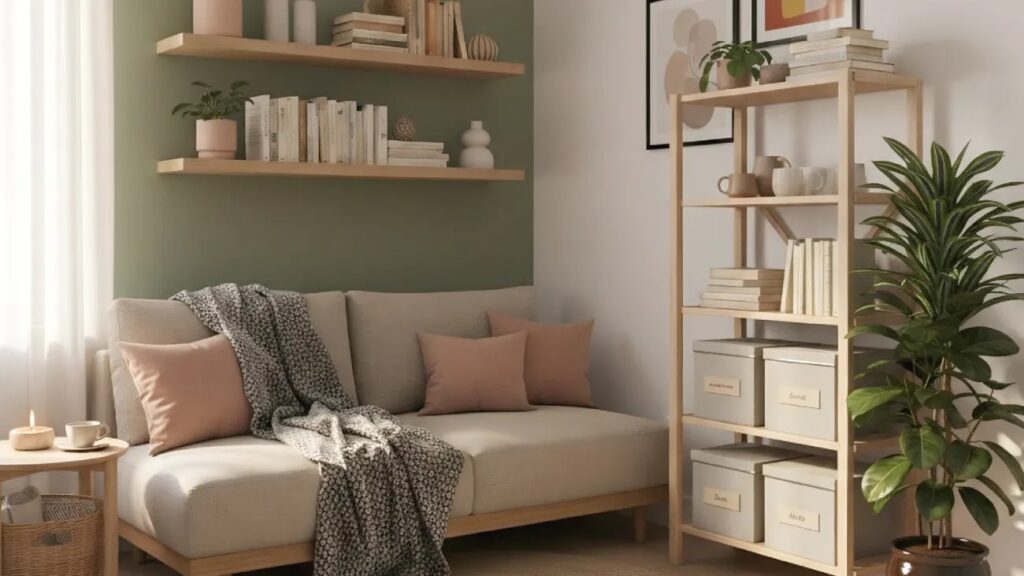
How to apply this effectively:
- Install shelves that extend as close to the ceiling as possible
- Divide shelves into zones based on frequency of use
- Use lower shelves for daily items like books, kitchenware, or office tools
- Reserve upper shelves for rarely used items such as travel bags or seasonal clothing
Why this works:
- It creates visual height, making the room feel larger
- It reduces clutter on the ground level
- It introduces a structured system that is easy to maintain
To enhance accessibility, consider using a small foldable step stool that can be tucked away when not in use.
2. The Double Duty Furniture Principle
In a small apartment, furniture should never serve only one purpose. Every item must earn its place by providing multiple functions.
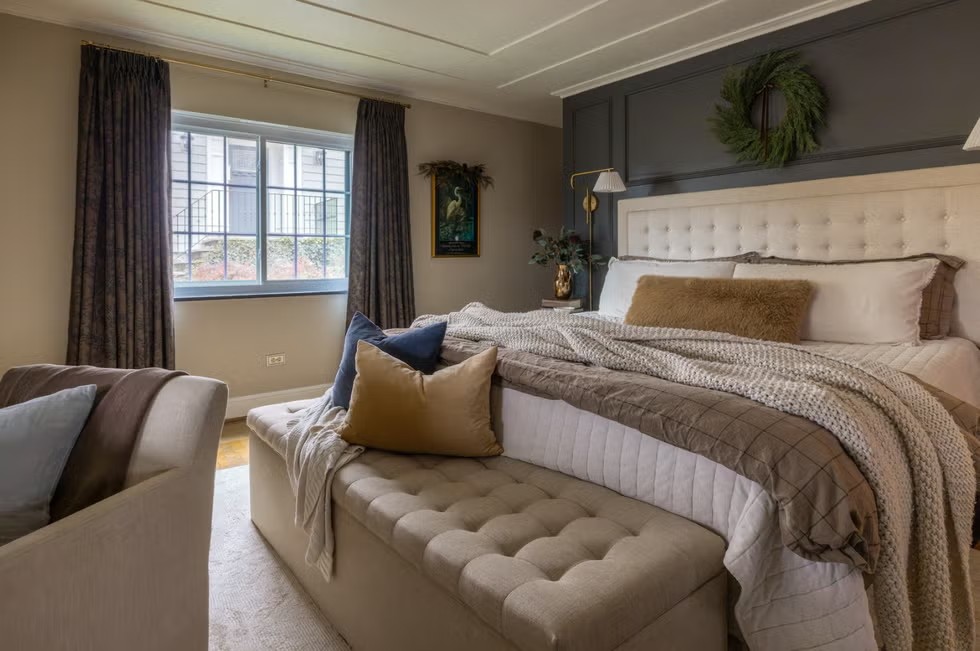
Examples of highly effective multi functional furniture:
- Beds with hidden drawers or lift up storage compartments
- Ottomans that open to reveal storage space
- Sofas that convert into beds for guests
- Dining tables that can fold or extend when needed
Detailed execution:
- Choose furniture with concealed compartments to maintain a clean look
- Prioritize pieces that blend storage with comfort
- Avoid bulky designs that dominate the room
Why this works:
- It eliminates the need for extra storage units
- It reduces visible clutter
- It maximizes functionality without increasing physical footprint
This approach turns your furniture into an active part of your storage system rather than just decorative pieces.
3. Over the Door Storage Systems
Doors are often ignored, yet they offer vertical space that does not interfere with movement.
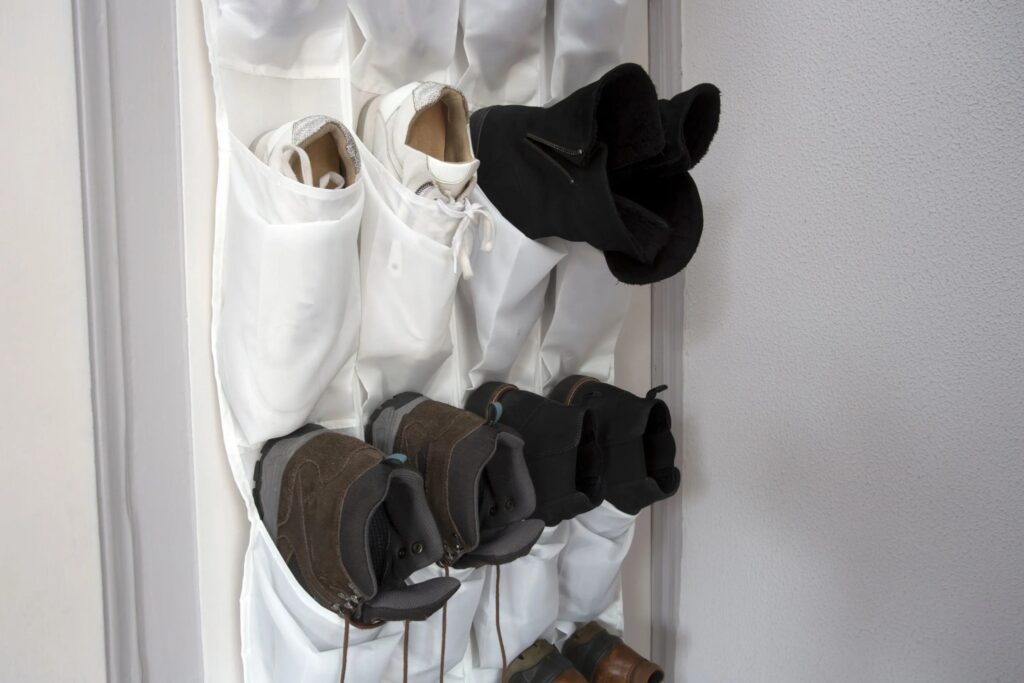
Creative uses beyond shoes:
- Kitchen doors can hold spices, wraps, and small utensils
- Bathroom doors can store skincare, towels, and grooming tools
- Bedroom doors can organize accessories, scarves, or lightweight bags
How to optimize this system:
- Use clear pocket organizers so you can see everything at a glance
- Group similar items together for easy access
- Avoid overloading to maintain door balance
Why this works:
- It uses space that would otherwise remain empty
- It keeps frequently used items within reach
- It frees up drawers and cabinets for bulkier items
4. Floating Desks and Wall Mounted Workspaces
Traditional desks can make a small room feel cramped and heavy. A floating desk removes this problem by freeing up the space beneath it.
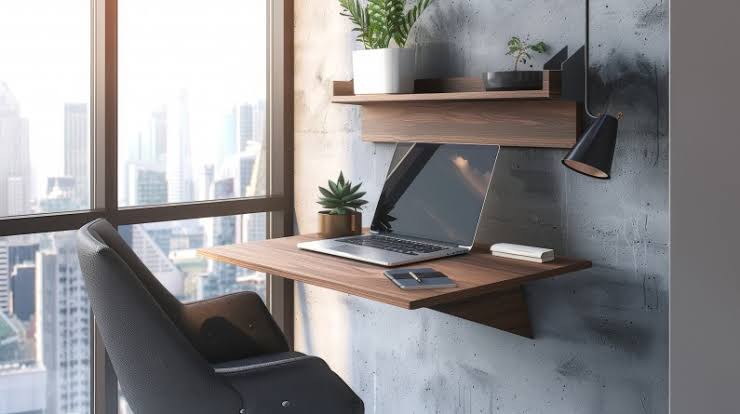
How to set it up:
- Install a strong wall mounted surface at a comfortable working height
- Pair it with a compact chair that can slide completely underneath
- Add small wall shelves above the desk for supplies
Benefits:
- Creates a clean and minimal visual appearance
- Allows for flexible use of floor space
- Makes the room feel more open and breathable
This setup is especially useful for people working from home, as it provides functionality without overwhelming the room.
5. Magnetic Storage for Kitchens and Tools
Countertops in small apartments can quickly become cluttered. Magnetic storage helps move essential items off surfaces and onto walls.
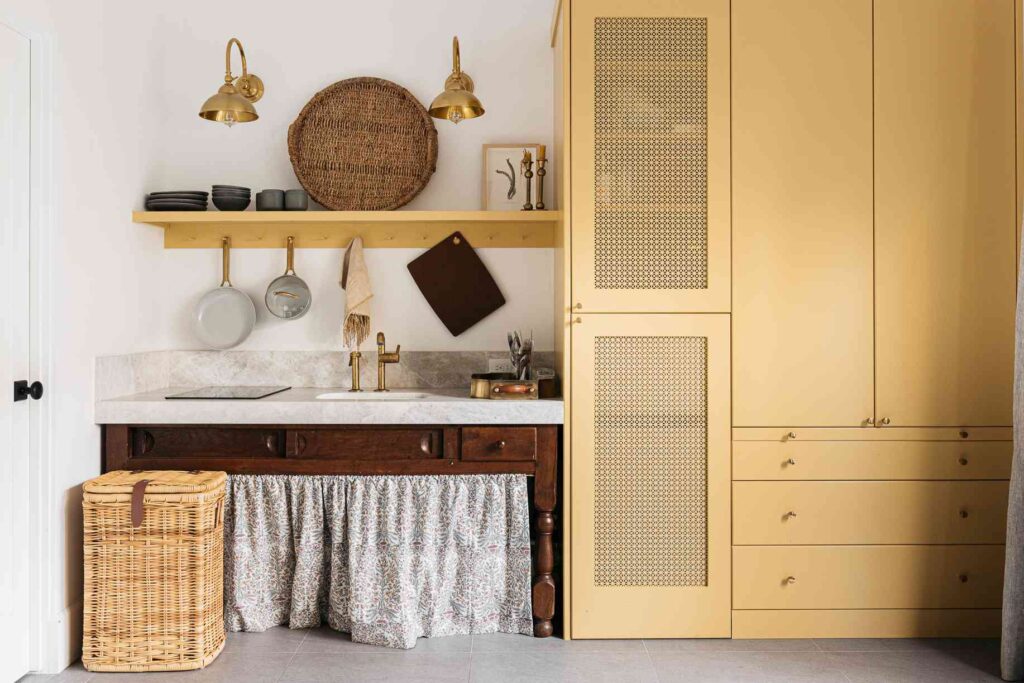
What you can store:
- Knives and metal utensils
- Scissors and small tools
- Spice containers with metal lids
How to implement:
- Install magnetic strips on walls or cabinet sides
- Arrange items in a way that is both functional and visually pleasing
Why this works:
- Keeps tools easily accessible
- Frees up drawer and counter space
- Adds a modern and organized aesthetic
6. Pegboards as Flexible Storage Systems
Pegboards are one of the most versatile storage solutions available. They allow you to create a fully customizable organization system.
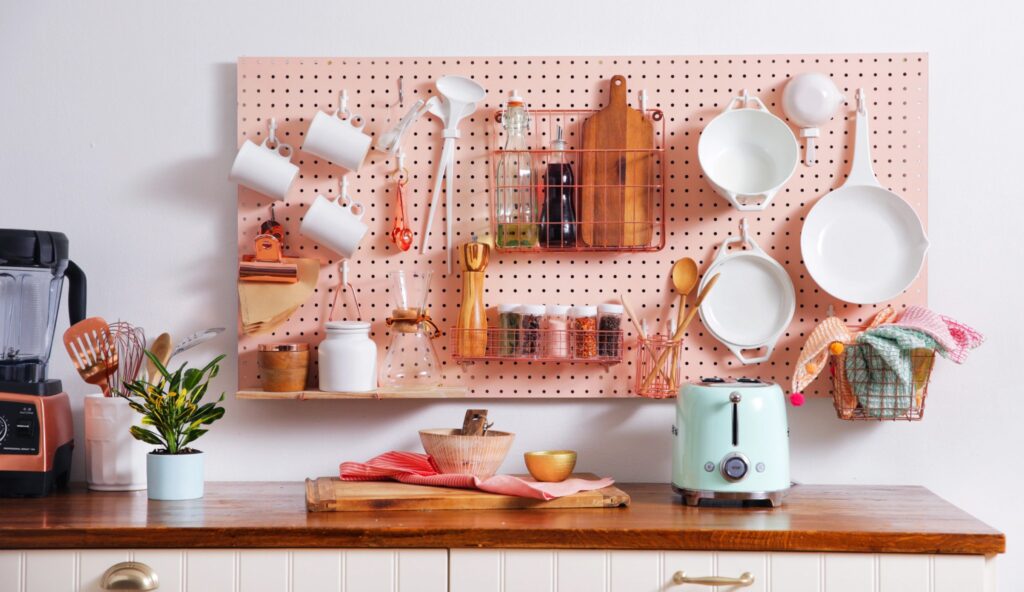
How to use them effectively:
- Install pegboards in kitchens, offices, or entryways
- Use hooks, baskets, and small shelves to hold different items
- Rearrange components as your needs change
Advantages:
- Adapts to changing storage requirements
- Prevents permanent clutter buildup
- Encourages intentional organization
Pegboards are especially useful for creative individuals who need flexible storage for tools and materials.
7. Make Use of Overlooked Spaces
Small spaces often contain hidden opportunities that are easy to miss.
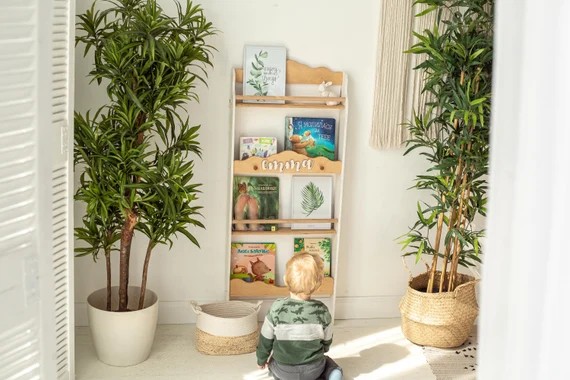
Examples include:
- Corners
- Windowsills
- Narrow gaps between furniture
How to maximize these areas:
- Install corner shelves to utilize awkward angles
- Use windowsills for books, plants, or decorative storage
- Place slim storage units in narrow spaces
Why this matters:
- It captures unused areas and turns them into functional zones
- It prevents items from piling up in central spaces
- It enhances overall organization
8. Vacuum Compression for Textiles
Clothing and bedding occupy more space than necessary due to trapped air.
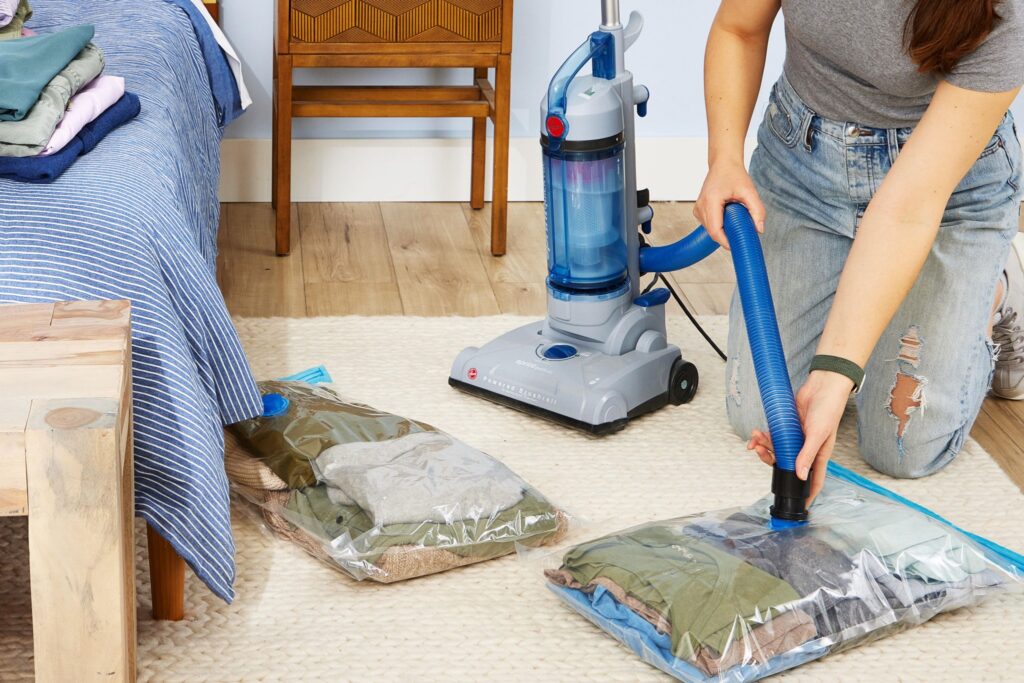
How compression helps:
- Reduces volume significantly
- Makes storage more efficient
- Keeps items protected from dust and moisture
Best practices:
- Store off season clothing in vacuum bags
- Label compressed items for easy identification
- Place them under beds or at the back of closets
This method is one of the most effective ways to instantly create more storage space.
9. Inside Cabinet Organization with Tension Rods
Cabinets, especially under sinks, often become disorganized quickly.
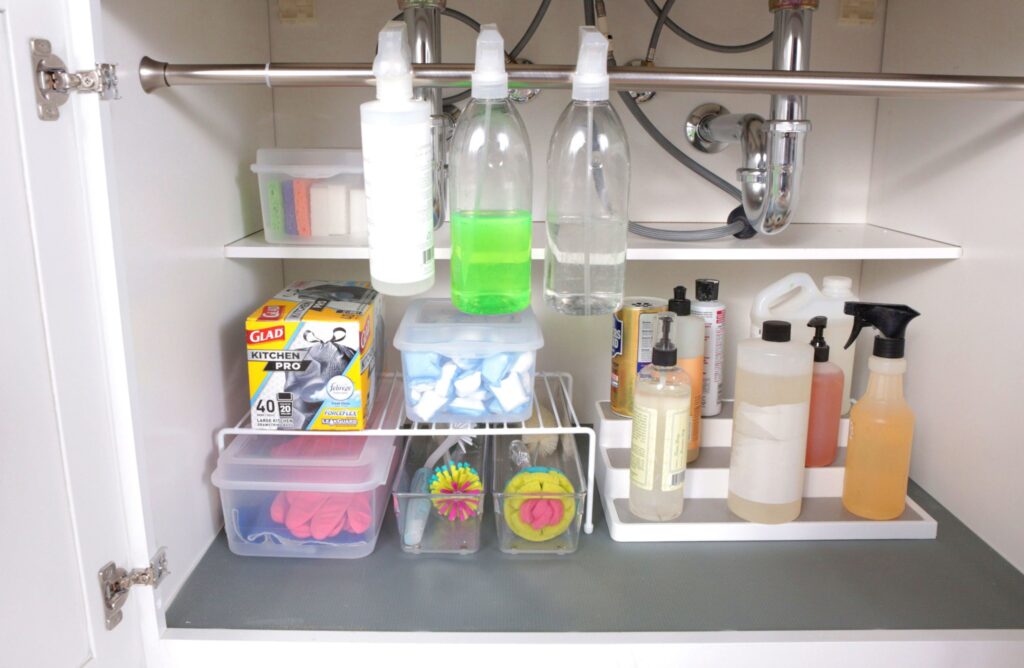
How to fix this:
- Install a tension rod across the cabinet
- Hang spray bottles from the rod
- Use the bottom space for bins or baskets
Benefits:
- Creates multiple levels of storage
- Improves accessibility
- Keeps items neatly arranged
10. Rolling Storage Carts for Flexibility
A fixed storage unit can limit your space. A rolling cart provides mobility and adaptability.
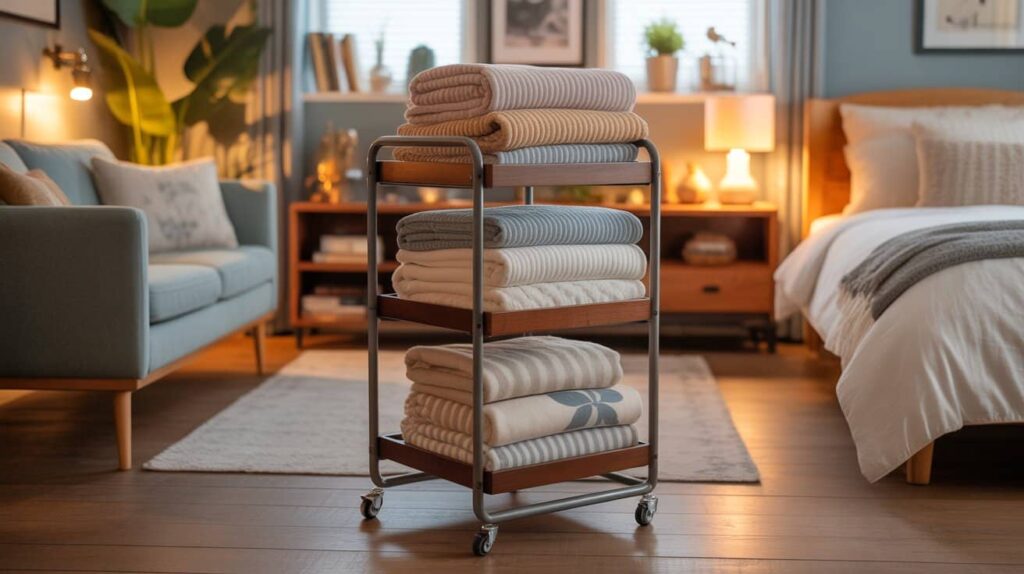
Ways to use it:
- As a mobile kitchen prep station
- As a coffee or snack station
- As a storage unit for office supplies
Why it is effective:
- Can be moved when needed
- Fits into tight spaces
- Adds storage without permanent commitment
11. Unified Storage Bins for Visual Order
Visual clutter can make even an organized space feel messy.
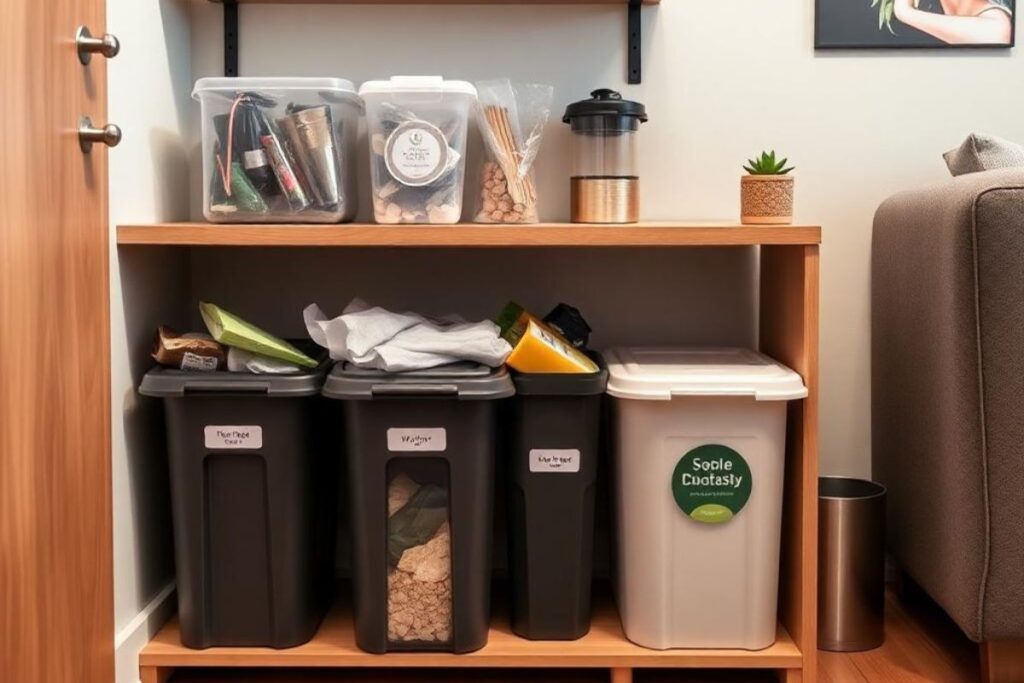
Solution: Use matching bins or containers to create a uniform look.
How to implement:
- Choose one style or color for all bins
- Store miscellaneous items inside them
- Label bins for easy identification
Impact:
- Creates a clean and cohesive appearance
- Reduces visual stress
- Makes the space feel larger and more organized
12. The Entryway Command Center
The entry point of your home sets the tone for organization.
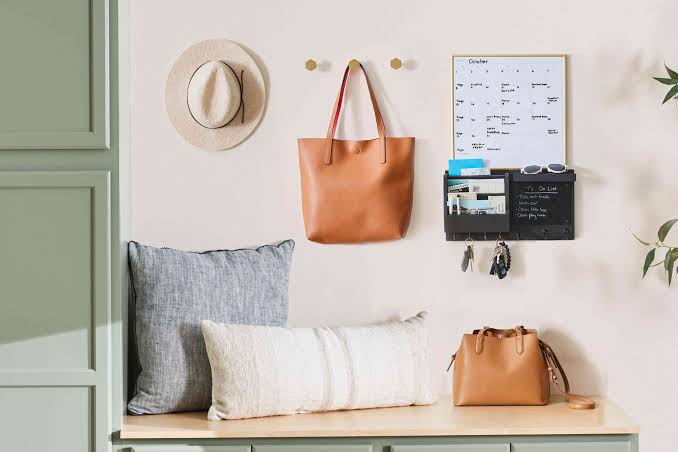
How to create an effective system:
- Install hooks for bags and keys
- Add a small tray for mail and small items
- Keep everything in one dedicated area
Why this matters:
- Prevents clutter from spreading
- Saves time when leaving the house
- Creates a sense of control and order
Final Thoughts
Living in a small apartment does not mean sacrificing comfort or style. It requires a shift in mindset from passive living to intentional design.
When you:
- Use vertical space wisely
- Choose furniture that works harder
- Turn hidden areas into functional zones
You transform your home into a space that supports your daily life rather than limiting it.
A well organized small apartment is not just about storage. It is about clarity, efficiency, and peace of mind.
Read More On: