


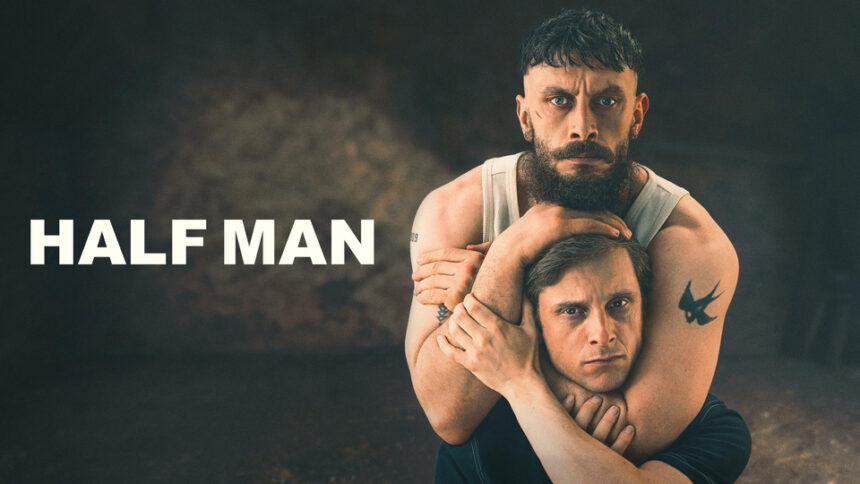
A Disturbing, Unfiltered Portrait of Brotherhood, Power, and Emotional Ruin
Following the global success of Baby Reindeer, expectations for Half Man were not just high, they were suffocating. When a creator like Richard Gadd delivers something that resonates so deeply with audiences, the inevitable question becomes whether lightning can strike twice.
With Half Man, Gadd does not attempt to recreate the emotional rhythm of his previous work. Instead, he pushes far beyond it. What emerges is not simply another character study, but a relentless psychological excavation of male identity, trauma, and the dangerous illusions men build around loyalty and protection.
This is not a comfortable series. It is not designed to entertain in the traditional sense. It is designed to confront.
A Slow, Suffocating Descent Across Decades
From its opening moments, Half Man makes it clear that this is a story about consequences rather than events.
Get TikTok SEO Cheat here
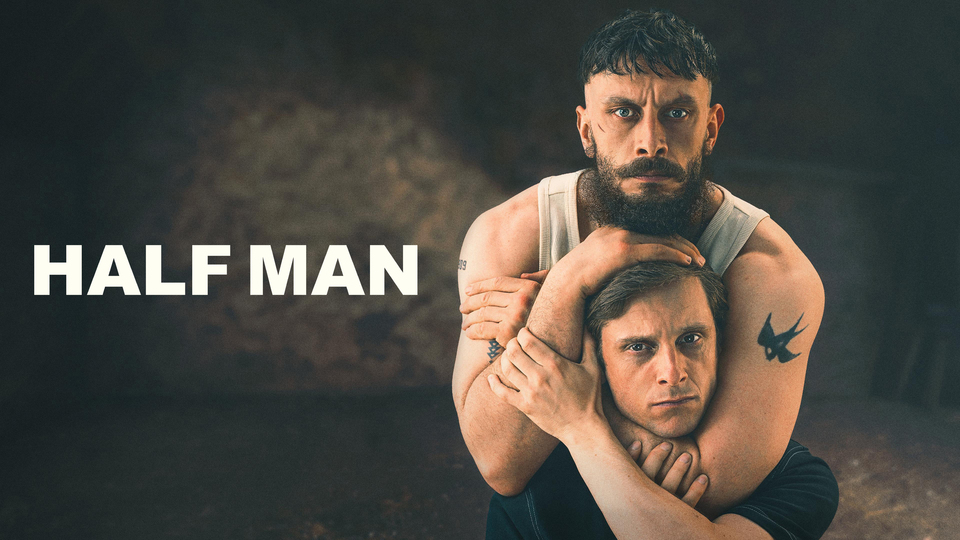
The series begins at what should be a moment of celebration. The wedding of Niall Kennedy, played with devastating restraint by Jamie Bell. The atmosphere feels fragile from the start, like something already broken beneath the surface. When Ruben Pallister, portrayed by Richard Gadd, reappears, the emotional temperature shifts instantly.
There is no dramatic build up. No warning. Just a quiet sense that something deeply unresolved has returned.
From here, the story fractures into timelines, moving back to the 1980s where the foundation of this relationship was first laid.
What makes the structure so powerful is not just the non linear approach, but the way each timeline reframes the one before it. Moments that initially feel like protection slowly reveal themselves as control. Acts of loyalty begin to look like manipulation. What once seemed like brotherhood begins to feel like entrapment.
The pacing is deliberate, almost suffocatingly so. The show refuses to rush emotional revelations. Instead, it lets scenes linger, forcing the viewer to sit with discomfort, confusion, and eventually, clarity.
By the time the narrative circles back to the present, the audience is no longer watching a reunion. They are witnessing the inevitable collision of two lives shaped by years of unresolved damage.
Raw, Unfiltered, and Emotionally Devastating
The emotional weight of Half Man rests almost entirely on its performances, and it delivers something extraordinary.
Jamie Bell as Niall Kennedy
Jamie Bell gives a performance that feels almost invisible in its precision. There are no grand emotional outbursts designed to impress. Instead, he builds Niall from the inside out.
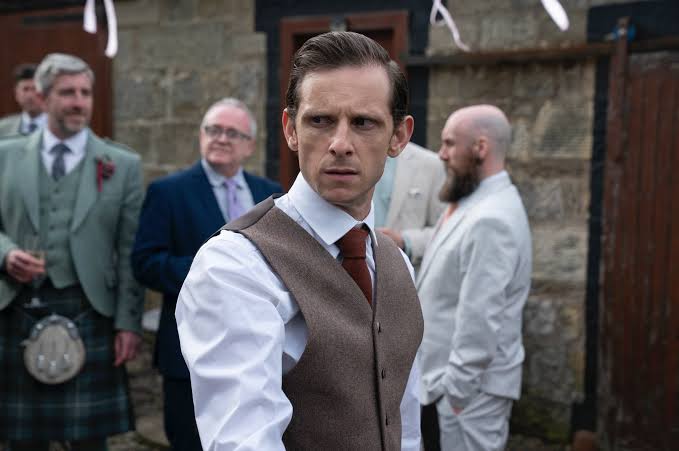
Every glance feels calculated. Every hesitation feels earned.
Niall is a man who has spent decades suppressing parts of himself. His sexuality, his anger, his dependence on Ruben. Bell captures this internal conflict through subtle physical choices. A tightening of the jaw. A pause before speaking. A smile that never quite reaches the eyes.
What makes the performance so compelling is the constant sense that Niall is on the verge of collapse, yet never fully allows himself to break.
Richard Gadd as Ruben Pallister
Richard Gadd delivers something far more unsettling.
Ruben is not written to be charming. He is not softened for the audience. There is no attempt to make him redeemable in a conventional sense.%
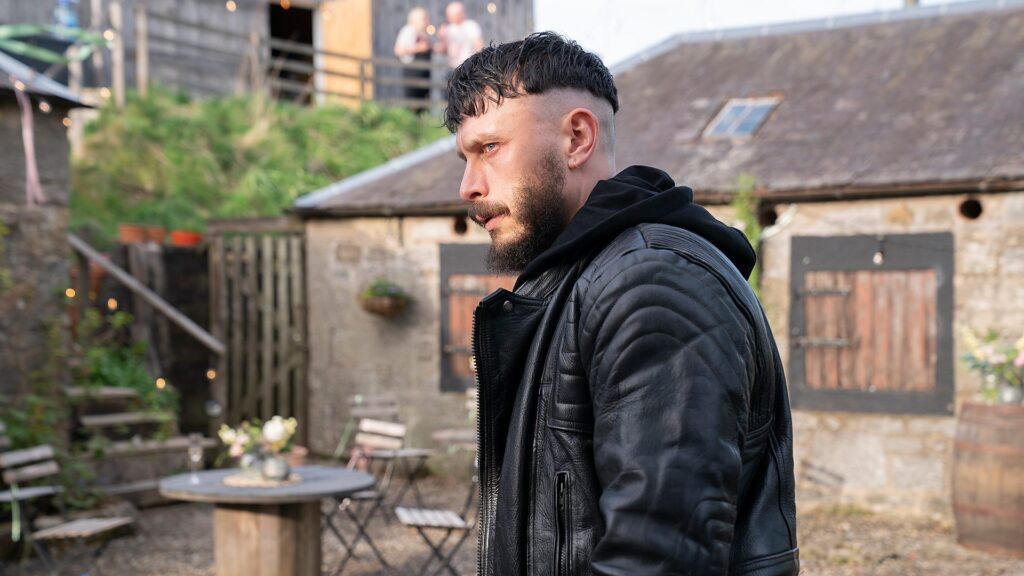
Instead, he is portrayed as deeply unpredictable. At times magnetic, at times terrifying, and often both within the same moment.
Gadd leans fully into this instability. His performance feels almost invasive, as if Ruben is constantly pushing into spaces he does not belong. He dominates conversations, disrupts emotional boundaries, and manipulates situations with an unsettling ease.
What makes Ruben so disturbing is not just his aggression, but his vulnerability. He weaponizes his own pain. He draws people in with it, then dismantles them once they are close.
The Younger Cast
The younger versions of these characters, portrayed by Mitchell Robertson and Stuart Campbell, are equally essential.
They do not simply imitate their adult counterparts. They establish the emotional blueprint.
Their scenes carry an intensity that feels almost too real. The dynamic between them is charged with confusion, dependency, and an unspoken tension that is never fully defined but always present.
It is within these early interactions that the series plants its most important questions. What does protection really look like. When does closeness become control. And how easily can affection become something darker.
Masculinity, Shame, Control, and Emotional Isolation
A its core, Half Man is an exploration of masculinity stripped of its usual defenses.
It examines what happens when men are raised in environments where vulnerability is seen as weakness and emotional expression is replaced with aggression.
Masculinity as Performance
The series presents masculinity not as identity, but as performance. A role that must be constantly maintained.
For Niall, this performance is suffocating. He hides parts of himself in order to survive socially. For Ruben, masculinity becomes dominance. A way to assert control in a world where he feels powerless.
Shame and Repression
Shame runs through every layer of the story.
Niall’s struggle with his sexuality is not framed as a journey of discovery. It is framed as something he must conceal. Something that threatens his sense of self and his place in the world.
This repression does not disappear over time. It hardens. It shapes his decisions. It defines his relationships.
Violence as Communication
Perhaps the most disturbing theme is the way violence replaces communication.
Arguments do not resolve through conversation. They escalate. Physicality becomes the language these characters understand.
The show does not glamorize this violence. It presents it as messy, uncomfortable, and often difficult to watch.
Visual Language and Atmosphere
Set against the backdrop of Glasgow, the series uses its environment as more than just a setting.
The city feels alive. Cold, grey, and unforgiving.
The cinematography shifts depending on emotional tone. Intimate moments are shot in a way that feels almost intrusive, as if the audience is too close. Wider shots create a sense of isolation, reinforcing how disconnected these characters are from the world around them.
Lighting plays a crucial role. Dim interiors and muted colors reflect the emotional state of the characters. Occasional bursts of warmth feel rare and fleeting, making them all the more impactful.
Comparison with Baby Reindeer
Comparisons to Baby Reindeer are unavoidable, but ultimately limiting.
Where Baby Reindeer balanced darkness with moments of uncomfortable humor, Half Man removes that relief entirely.
It is heavier. More demanding. Less forgiving.
This is not a story that invites the audience in gently. It challenges them from the start and refuses to let go.
A Difficult but Essential Watch
Half Man is not designed for casual viewing.
It is emotionally intense, thematically complex, and at times deeply unsettling. But it is also one of the most honest portrayals of male relationships seen in recent television.
It does not offer easy answers. It does not provide comfort.
What it offers is clarity.
A clear, unfiltered look at how trauma shapes identity. How relationships can become destructive. And how silence can be just as damaging as violence.
Strengths
- Exceptionally powerful performances across both timelines
- Deep and unflinching exploration of masculinity and emotional repression
- Strong visual identity that enhances the storytelling
Weaknesses
- Emotionally heavy and potentially overwhelming for some viewers
- Limited development for supporting female characters
Verdict
This is not a series you simply watch.
It is one you experience, process, and carry with you long after it ends.
If Baby Reindeer opened the door to Richard Gadd’s storytelling, Half Man walks straight through it and turns the light on, whether you are ready or not.
Read More On: