


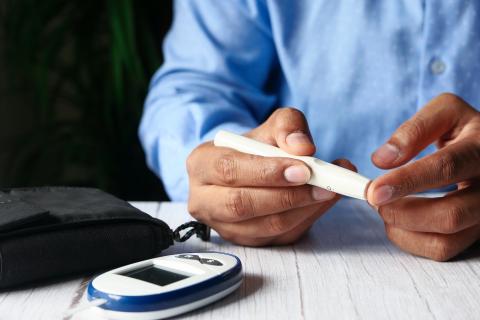
Modern life has conditioned many men to normalize exhaustion, suppress discomfort, and delay medical attention until symptoms become impossible to ignore. A slight chest tightness is brushed aside as stress. Persistent fatigue is blamed on work pressure. Frequent nighttime urination becomes “part of getting older.” Unfortunately, many serious health conditions begin with quiet, subtle warning signs that are easy to overlook when life becomes busy.
The reality is that the male body often sends signals long before a major health crisis occurs. Heart disease, hormonal imbalance, prostate conditions, diabetes, anxiety disorders, and even certain cancers rarely appear overnight. In most cases, the body creates a trail of clues through changes in energy levels, sleep quality, urination patterns, mood, sexual health, breathing, digestion, concentration, and physical strength.
Understanding how to recognize these changes can dramatically improve long term health outcomes. Early detection gives doctors more treatment options, improves recovery rates, lowers healthcare costs, and significantly increases quality of life. Yet many men continue to adopt a “wait and see” mindset, hoping symptoms will disappear on their own.
Proactive wellness is not about becoming fearful or obsessive about every ache or pain. It is about becoming informed, observant, and intentional. Just as a car owner routinely checks the engine, tires, and fuel system before a breakdown occurs, every man should learn how to monitor the essential systems of his body before a medical emergency develops.
Get TikTok SEO Cheat here
This guide serves as a practical, step by step roadmap for identifying early warning signs specific to men. You will learn how to monitor cardiovascular health, recognize prostate related changes, perform proper self examinations, evaluate mental wellness, and understand hormonal red flags before they escalate into more serious complications.
Rather than reacting to illness after damage has already occurred, this article will help you build a proactive lifestyle centered on awareness, prevention, and long term vitality.
Why Men Often Miss Early Warning Signs
Many men are conditioned from a young age to associate toughness with silence. As a result, physical discomfort is often ignored until daily functioning becomes difficult. This mindset creates dangerous delays in diagnosis and treatment.
Several factors contribute to this pattern:
| Common Reason | How It Affects Health |
|---|---|
| Busy schedules | Symptoms are ignored or postponed |
| Fear of diagnosis | Men avoid medical checkups |
| Self medication | Serious conditions become masked |
| Social pressure | Emotional struggles remain hidden |
| Lack of awareness | Early symptoms go unnoticed |
Recognizing symptoms early does not make a man weak. It demonstrates discipline, intelligence, and responsibility toward personal wellbeing and family stability.
1. Cardiovascular Health
Understanding the Body’s Warning System
Heart disease remains one of the most dangerous threats to men’s health because its symptoms can develop gradually and silently. Many men assume heart problems always begin with dramatic chest pain, but the earliest signs are often far more subtle.
Your heart functions as the engine of your body. When circulation becomes impaired, nearly every organ system begins to suffer.
How to Monitor for Early Heart Related Symptoms
Pay Attention to Chest Discomfort
Chest discomfort does not always feel sharp or intense. In many cases, it may resemble:
| Possible Sensation | What It May Feel Like |
|---|---|
| Pressure | Heavy weight on the chest |
| Tightness | Chest squeezing sensation |
| Burning | Similar to severe heartburn |
| Fullness | Feeling bloated around the chest |
If discomfort repeatedly appears during physical activity, emotional stress, or after climbing stairs, it should never be ignored.
Observe Changes in Breathing
One of the earliest warning signs of cardiovascular strain is reduced exercise tolerance.
Ask yourself these questions:
- Are simple physical tasks suddenly exhausting?
- Do you feel winded after climbing stairs?
- Has walking long distances become unusually difficult?
- Do you wake up short of breath during the night?
When the heart struggles to pump blood effectively, oxygen delivery throughout the body decreases. This commonly produces fatigue and breathlessness.
Monitor Blood Pressure Consistently
High blood pressure is often called the silent killer because it can damage the heart, kidneys, eyes, and brain without obvious symptoms.
An automatic upper arm monitor allows you to track readings from home.
Healthy Blood Pressure Guide
| Category | Reading |
|---|---|
| Optimal | Less than 120/80 |
| Elevated | 120 to 129 systolic |
| High | 130/80 or above |
Consistently elevated readings require medical attention.
Watch for Hidden Symptoms
Some lesser known signs of heart problems include:
- Persistent fatigue
- Swollen feet or ankles
- Dizziness
- Unexplained sweating
- Irregular heartbeat
- Jaw or shoulder discomfort
These symptoms may appear weeks or months before a major cardiac event.
2. Prostate and Urinary Health
Identifying Abnormal Changes Early
The prostate gland plays an important role in male reproductive health. As men age, changes in prostate size and function become increasingly common.
While some enlargement may be noncancerous, certain symptoms can indicate more serious conditions requiring urgent evaluation.
How to Monitor Prostate Health
Track Urinary Habits
Changes in urination patterns are among the earliest prostate related warning signs.
Pay close attention to:
| Symptom | Possible Concern |
|---|---|
| Frequent urination | Enlarged prostate |
| Nighttime urination | Bladder obstruction |
| Weak urine stream | Prostate enlargement |
| Difficulty starting urination | Urinary blockage |
| Incomplete emptying | Pressure on bladder |
Keeping mental notes of these patterns helps identify progressive changes over time.
Never Ignore Blood in Urine or Semen
Even small traces of blood should always be investigated promptly.
Possible causes include:
- Infection
- Kidney stones
- Prostate inflammation
- Urinary tract injury
- Cancer related conditions
Early evaluation significantly improves treatment outcomes.
Recognize Pelvic Pressure Symptoms
Some men describe prostate discomfort as:
- Sitting on a small ball
- Pelvic heaviness
- Lower abdominal pressure
- Deep aching near the groin
Persistent pelvic sensations should never be dismissed as ordinary aging.

3. Testicular Health
A Step by Step Self Examination Guide
Testicular cancer is one of the most treatable cancers when discovered early. Regular self examinations help men recognize unusual changes before symptoms become advanced.
The process takes only a few minutes each month.
How to Perform a Proper Testicular Self Examination
Step 1: Choose the Right Time
The best time is during or immediately after a warm shower because the scrotal skin becomes relaxed and easier to examine.
Step 2: Use Gentle Pressure
Hold one testicle at a time between your fingers and thumb.
Gently roll it while feeling for:
- Lumps
- Swelling
- Unusual firmness
- Size changes
- Heaviness
Step 3: Understand What Is Normal
Many men panic unnecessarily during self checks because they are unfamiliar with normal anatomy.
Important reminders:
| Normal Finding | Explanation |
|---|---|
| Slight size difference | One testicle may naturally hang lower |
| Soft tube behind testicle | Epididymis stores sperm |
| Mild sensitivity | Normal during examination |
The goal is not perfection. The goal is noticing changes from your usual baseline.
When to Seek Medical Attention
Contact a doctor immediately if you notice:
- A painless lump
- Persistent swelling
- Sudden enlargement
- Sharp pain
- Persistent heaviness
Early treatment dramatically increases recovery rates.
4. Mental Health
Recognizing Emotional and Psychological Warning Signs
Mental health struggles in men often appear differently from traditional expectations of depression or anxiety.
Instead of sadness, many men experience emotional distress through irritability, emotional withdrawal, aggression, or unhealthy coping behaviors.
Hidden Mental Health Red Flags in Men
Increased Irritability
Frequent anger over minor situations may signal chronic stress, burnout, anxiety, or depression.
Watch for:
- Constant frustration
- Emotional outbursts
- Reduced patience
- Increased arguments
- Aggressive communication
Escapism and Emotional Avoidance
Many men cope with emotional pain by distracting themselves excessively.
Common examples include:
| Coping Behavior | Potential Warning Sign |
|---|---|
| Overworking | Emotional suppression |
| Excessive alcohol use | Anxiety or depression |
| Constant gaming | Emotional avoidance |
| Isolation | Social withdrawal |
Temporary distractions can eventually become destructive habits.
Physical Symptoms of Emotional Distress
Mental health challenges frequently appear through physical symptoms.
These may include:
- Headaches
- Back pain
- Digestive discomfort
- Insomnia
- Appetite changes
- Fatigue
Chronic stress places enormous strain on the nervous system and immune system.
You can also encourage readers to explore your related article on back pain management for stress related tension relief.
5. Hormonal Balance
Understanding Low Testosterone Warning Signs
Testosterone influences energy, muscle development, mood, concentration, bone strength, and sexual health.
When testosterone levels decline significantly, many men experience changes that affect both physical and emotional wellbeing.
Common Symptoms of Low Testosterone
Persistent Fatigue
Feeling constantly drained despite adequate sleep may indicate hormonal imbalance.
This type of fatigue often includes:
- Morning exhaustion
- Low motivation
- Reduced stamina
- Difficulty recovering after exercise
Body Composition Changes
Testosterone strongly influences muscle retention and fat distribution.
Warning signs include:
| Physical Change | Possible Cause |
|---|---|
| Increased belly fat | Hormonal imbalance |
| Muscle loss | Reduced testosterone |
| Reduced strength | Hormonal decline |
| Slower recovery | Lower anabolic support |
Brain Fog and Mood Changes
Low testosterone may also affect cognitive performance.
Symptoms can include:
- Poor concentration
- Reduced confidence
- Low motivation
- Mood swings
- Emotional numbness
A proper blood test is the only reliable way to confirm hormone levels.

Creating a Personal Men’s Health Monitoring Routine
Consistency is the key to prevention. Developing simple wellness habits helps identify changes before they become dangerous.
Recommended Men’s Health Checklist
| Frequency | Action item | Purpose |
| Daily | Monitor sleep quality | Detect sleep and fatigue |
| Daily | Observe mood and energy | Identify emotional changes |
| Weekly | Check blood pressure | Monitor cardiovascular risk |
| Weekly | Track body weight | Detect sudden fluctuations |
| Monthly | Perform testicular self-exam | Detect abnormalities early |
| Yearly | Full medical screening | Evaluate major health markers |
Lifestyle Habits That Help Detect Problems Earlier
Healthy habits improve body awareness and make abnormal symptoms easier to identify.
Helpful Preventive Habits
Prioritize Sleep
Poor sleep affects hormones, mental health, blood pressure, and immune function.
Exercise Regularly
Physical activity improves circulation, mood, heart health, and testosterone support.
Reduce Alcohol Consumption
Excessive drinking can mask symptoms while worsening liver, heart, and mental health conditions.
Maintain Routine Medical Visits
Regular screenings identify hidden problems before symptoms become severe.
The Danger of the “Wait and See” Mentality
One of the greatest risks in men’s health is delaying medical evaluation because symptoms seem minor.
Many dangerous conditions begin quietly:
- Colon cancer may begin with subtle fatigue
- Heart disease may start with mild breathlessness
- Depression may appear as irritability
- Diabetes may begin with increased thirst
- Prostate problems may start with nighttime urination
The earlier a condition is identified, the better the chances of successful treatment.
If a symptom persists for more than two weeks, worsens progressively, or interferes with daily life, professional medical evaluation is essential.
Final Thoughts
Your body constantly communicates through patterns, sensations, energy shifts, and behavioral changes. Learning how to interpret those signals can become one of the most important investments you ever make in your future health.
Preventive care is not about fear. It is about awareness, responsibility, and longevity.
Strong men do not ignore symptoms. Strong men pay attention early enough to protect their health, families, careers, and quality of life.
The goal is simple:
- Notice changes early.
- Act quickly.
- Stay consistent.
- Protect your future.
Read More On: