


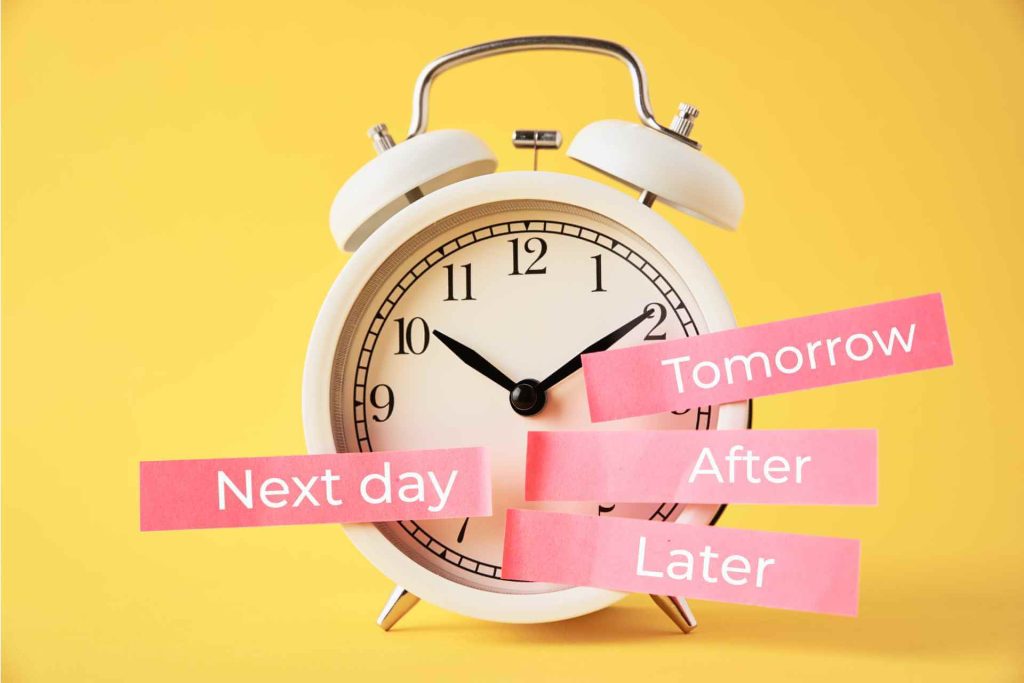
Procrastination feels harmless at first. A small delay here, a little “I’ll do it later” there. But over time, it builds into stress, missed opportunities, and unfinished goals. Many people think procrastination is simply laziness, but most times, it is rooted in deeper habits, emotions, and mindset patterns.
The good news? You can break free from it.
With the right approach, you can retrain your mind, build better routines, and turn productivity into something natural instead of stressful.

Below are improved, realistic, and easy-to-apply strategies that help you stay consistent and in control of your time.
How to Overcome Procrastination: Practical Tips That Actually Work
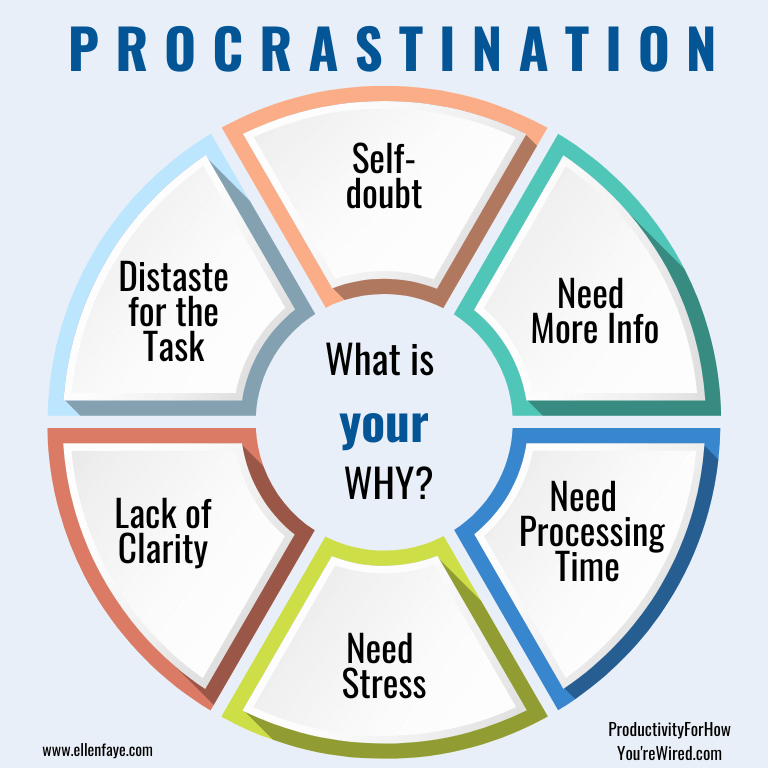
1. Identify the Real Reason You’re Delaying Tasks
Procrastination is usually a symptom, not the problem.
Common causes include:
Get TikTok SEO Cheat here
- Fear of making mistakes
- Feeling overwhelmed
- Low energy or burnout
- Tasks that feel boring or unclear
- Too many things competing for your attention
Take a few minutes to reflect:
What exactly makes this task hard to start?
Understanding this gives you clarity on what solution will work best.
Example: If the issue is fear of failure, perfectionism may be holding you back. If the issue is overwhelm, the task may simply be too big.
2. Set Clear and Realistic Goals
Your brain avoids things that look confusing or complicated.
That’s why vague goals like “work on my project” often lead to procrastination.
Instead, set goals that are:
- Specific (what exactly you want to do)
- Measurable (how you’ll know it’s done)
- Realistic (fits your time and energy)
Clear goals give your mind direction and reduce pressure, making it easier to start.
3. Break Big Tasks Into Simple Steps
A big project can feel like a mountain. But when you break it into small steps, it becomes achievable.
Try this simple breakdown method:
- Write the main goal
- List 3–7 small actions needed
- Start with the easiest one
Small steps remove the mental resistance that causes procrastination and help you build momentum.
Example:
Instead of “write the report,” break it into:
– create outline
– write introduction
– write body section 1
– write conclusion
– proofread
4. Prioritize Your Tasks Wisely
Use the Priority Rule: Important Before Easy
Many people procrastinate by doing the “easy” tasks first. But this only pushes important tasks further away.
Try using the priority rule:
- Do important + urgent tasks first
- Schedule important + not urgent tasks
- Minimize tasks that add no real value
Finishing high-priority tasks early in the day reduces stress and increases confidence.
Read Also:
- How To Activate Airtel Night Data Plan: New Code 2023
- How safe is ChatGPT? These are a few dangers to be aware of before using it.
- How to get high traffic to a music blog
5. Minimize Distractions
Most distractions don’t happen by accident, we allow them.
A few small adjustments can protect your focus:
- Turn off non-essential notifications
- Use “Do Not Disturb” while working
- Keep your workspace clean and quiet
- Block distracting websites with focus tools
- Keep only one task open at a time
You don’t have to eliminate distractions forever, just long enough to complete your task blocks.
6. Hold Yourself Accountable
Accountability turns intentions into action.
You can stay accountable by:
- Setting deadlines for yourself
- Using a habit tracker or calendar
- Sharing your goals with someone you trust
- Working with a partner or colleague
- Doing weekly check-ins with yourself
When you know your progress is being monitored, you naturally stay consistent and committed.
7. Reward Progress, Not Just Completion
Motivation grows when progress feels good.
Reward yourself every time you complete a step, not just the final task.
Your reward could be:
- A short break
- A snack you enjoy
- Watching something you like
- Time on your phone
- A small treat
These small rewards train your brain to associate productivity with positive feelings, making it easier to stay on track.
8. Use Time Techniques That Make Tasks Feel Lighter
Modern productivity methods make tasks much easier to start.
Here are a few:
✓ The 5-Minute Rule
Tell yourself you’ll work for only 5 minutes.
Once you start, your brain naturally wants to continue.
✓ The Pomodoro Technique
Work 25 minutes, rest 5 minutes.
Repeat four times, then take a longer break.
✓ Time Blocking
Schedule specific time slots for specific tasks.
It removes guesswork and gives structure to your day.
Final Thoughts
Procrastination is not a sign of weakness. It’s a habit and habits can be changed. By understanding your triggers, setting clear goals, breaking tasks into smaller steps, reducing distractions, staying accountable, and celebrating your progress, you can create lasting change.
Small improvements done consistently lead to big results. Start with one strategy today, and watch how your productivity transforms over time.