

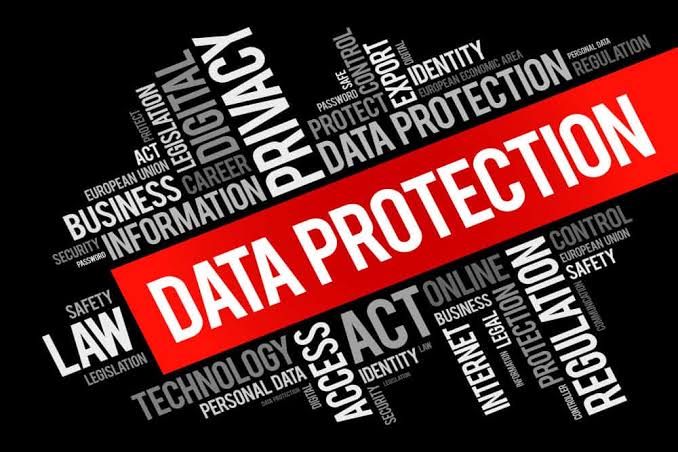
The Nigerian digital economy is facing its most significant regulatory shift yet. With the Nigerian Data Protection Commission (NDPC) now moving from advocacy to strict enforcement, every tech entity operating within the country is under the spotlight. This transition is not just a legal formality but a fundamental restructuring of how value is created and protected in the local tech ecosystem. For tech companies, fintechs, and digital service providers, the window for voluntary alignment is closing. The focus has shifted toward a hard deadline that requires every data controller to move from “passive awareness” to “active compliance.”
The Nigeria Data Protection Act represents a historic pivot in the country’s economic-technology landscape. It treats data as a sovereign asset and a personal right, forcing a departure from the “move fast and break things” culture that many startups have operated under. As we approach the final enforcement phase, the economic implications are clear: compliance is no longer a cost center but a prerequisite for market access, international partnerships, and consumer trust. This news report provides an expressively detailed breakdown of the requirements, the risks of negligence, and the strategic roadmap for tech firms to navigate this new regulatory era.
The Strategic Enforcement Of The Nigeria Data Protection Act
The National Data Protection Commission has made it clear that the grace period for domestic and foreign tech firms is effectively over. By the upcoming December deadline, the commission expects a full transition to the standards set out in the Act. This move is designed to bring Nigeria into alignment with global standards like the GDPR, ensuring that the Nigerian tech space is seen as a safe harbor for international data exchange.
For the average Nigerian tech company, this means that data privacy can no longer be a footnote in the Terms and Conditions. It must be integrated into the product architecture itself. The commission is targeting high-impact sectors including fintech, e-commerce, health-tech, and educational platforms, as these sectors handle the most sensitive personal identifiers of Nigerian citizens.
Key Requirements Of The Data Protection Act For Tech Firms
The Act is built on the principle of accountability. Tech companies are now required to prove they are protecting data, rather than just claiming to do so.
Get TikTok SEO Cheat here
- Appointment Of A Data Protection Officer: Every company that processes a significant volume of data must appoint a Data Protection Officer. This individual is responsible for overseeing the data protection strategy and ensuring that the company stays on the right side of the law. They act as the primary point of contact between the company and the commission.
- Mandatory Data Protection Impact Assessments: Before launching any new product or feature that involves personal data, companies must conduct an impact assessment. This process identifies potential risks to user privacy and outlines the steps taken to mitigate those risks. It is a proactive rather than a reactive requirement.
- The Principle Of Data Minimization: Tech companies are now legally prohibited from collecting data that is not “strictly necessary” for the specific service being provided. If you are a fintech app, you must justify why you need access to a user’s contact list or gallery. Excessive data harvesting is now a direct violation of the Act.
Who Must Comply: The Scope Of Enforcement
The scope of the Act is broad, covering any entity that “controls” or “processes” the personal data of data subjects in Nigeria.
| Element | Details |
|---|---|
| Startups | All early-stage tech firms, regardless of funding level, must comply if they collect user emails, names, or phone numbers. |
| Fintechs | This is the highest-priority sector due to the handling of BVNs, transaction histories, and credit scores. |
| E-commerce | Platforms must protect delivery addresses, payment card details, and shopping preferences. |
| Foreign Entities | Any international tech firm serving the Nigerian market must appoint a local representative and adhere to these laws. |
Penalties For Non-Compliance And Economic Risks
The NDPC has been granted significant teeth to enforce these regulations. The economic cost of ignoring these rules can be ruinous for a growing business.
- Financial Sanctions: The commission can impose fines of up to 2% of the company’s annual gross revenue from the preceding year or a fixed sum of N10 million, whichever is higher. For a high-revenue fintech, a 2% fine could wipe out an entire year’s profit.
- Criminal Liability: In cases of extreme negligence or intentional data breaches, the Act allows for the prosecution of company directors. This marks a shift from corporate fines to individual accountability.
- Operational Bans: The NDPC has the power to issue “cease and desist” orders, effectively shutting down a company’s ability to process data until they prove compliance. In the digital world, being unable to process data is equivalent to being out of business.
Step-By-Step Compliance Checklist For Tech Startups
To meet the December deadline, tech leaders should follow this expressive roadmap to ensure their systems are bulletproof.
- Conduct A Data Audit: Map out every piece of data your company collects. Know where it is stored, who has access to it, and how long it is kept. If you find data you don’t need, delete it immediately.
- Update Privacy Policies: Move away from generic templates. Your privacy policy must be written in clear, simple language that a non-technical user can understand. It must explicitly state what data is being collected and why.
- Implement Security By Design: Security should not be an afterthought. Implement encryption for data at rest and in transit. Use multi-factor authentication for all internal access to user databases.
- Register With The NDPC: Ensure your company is officially registered as a data controller. This involves a formal filing with the commission and the payment of an annual levy based on the volume of data handled.
- Employee Training: Your staff is often the weakest link in data protection. Conduct regular training sessions on phishing, password hygiene, and the legal obligations under the Data Protection Act.
Cost Implications For Small And Medium Tech Businesses
While compliance is expensive, the cost of a data breach is significantly higher. For a small Nigerian tech firm, the initial costs of compliance usually include legal fees for policy drafting, the salary or retainer for a Data Protection Officer, and the technical costs of upgrading server security.
On average, a small startup might spend between N500,000 and N2,000,000 on full compliance measures. While this seems high, the market is already showing that compliant companies find it easier to raise venture capital. International investors are increasingly conducting “data due diligence” before writing checks. Being compliant makes your startup a lower risk for acquisition and investment.
Comparison With GDPR: A Global Standard
The Nigeria Data Protection Act is heavily influenced by the European General Data Protection Regulation. Both share the same DNA of “user consent” and “the right to be forgotten.” However, the Nigerian law includes specific provisions for local data residency, suggesting that certain types of sensitive national data should ideally be stored on servers located within Nigeria. This is a move toward digital sovereignty that tech companies must account for when choosing cloud providers.
Expert Opinions: What Happens After The Deadline?
Legal experts suggest that the NDPC will likely use the first few months after the December deadline to make “examples” of high-profile defaulters. The goal is to send a clear message to the ecosystem. Beyond the legal threats, there is an economic reality: as more Nigerians become aware of their data rights, they will migrate to platforms that guarantee their privacy.
In the long run, this Act will filter the market. The “cowboy” startups that ignore user privacy will be pushed out by professional, compliant entities. For the Nigerian tech space to mature, it must move away from being a “wild west” and toward becoming a regulated, trust-based digital economy. The countdown to December is not just a deadline for paperwork; it is a deadline for the professionalization of the entire industry. Tech leaders who act now will find themselves at a massive advantage when the enforcement hammer finally drops.
Frequently Asked Questions
Does the Act apply to a small business with only 500 users?
Yes. The law does not specify a minimum user count for compliance. If you process personal data, the Act applies to you. The intensity of the requirements may vary, but the fundamental duty to protect data remains the same.
Can we store our data on foreign cloud servers like AWS or Google Cloud?
Yes, but you must ensure that the country where the servers are located has adequate data protection laws or that you have a “standard contractual clause” in place that guarantees the safety of Nigerian data.
What is the first thing we should do to start?
The most immediate step is to conduct an internal data audit to understand what you actually have. You cannot protect what you cannot see. Following the audit, registering with the NDPC is the first formal step toward legal safety.
Read More On: