


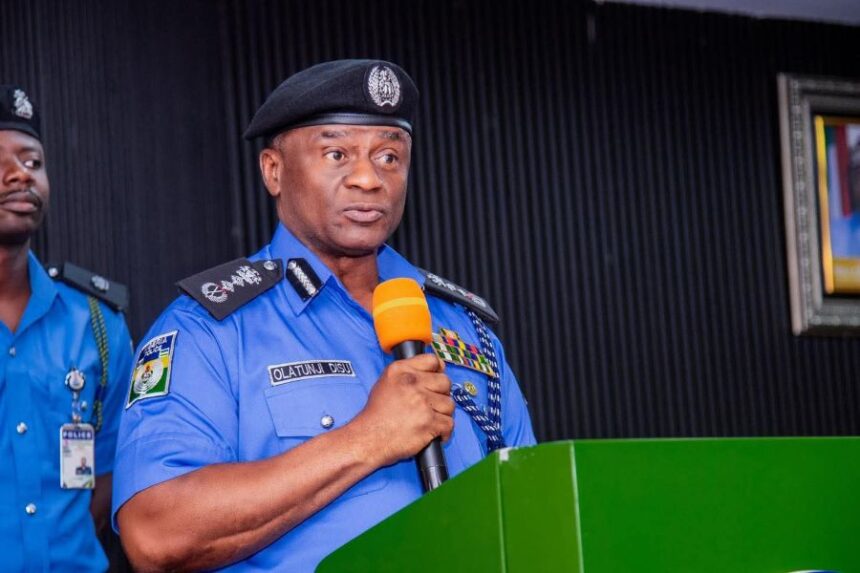

As political activities continue to intensify across Nigeria, the conversation surrounding electoral security has once again taken center stage in national discourse. The increasing complexity of election management, coupled with concerns over political violence, voter intimidation, ballot snatching, cyber manipulation, and attacks on electoral officials, has placed enormous pressure on the nation’s security architecture. Against this backdrop, the Nigeria Police Force has made a strong and strategic declaration aimed at reassuring citizens, political stakeholders, and the international community that the democratic process will be fiercely protected.
At a high level strategic meeting held in Abuja between the leadership of the Nigeria Police Force and the Independent National Electoral Commission, the Inspector General of Police, Olatunji Rilwan Disu, formally guaranteed maximum security protection for the electoral body, its personnel, and all sensitive electoral materials across the country. The assurance comes at a critical moment when public confidence in electoral transparency remains deeply tied to the ability of security agencies to remain professional, neutral, and proactive.
The meeting, which also involved the Chairman of INEC, Professor Joash Amupitan, focused extensively on strengthening institutional cooperation, enhancing intelligence gathering, improving operational readiness, and ensuring that every eligible Nigerian voter can exercise their constitutional rights without fear, intimidation, or disruption.
Beyond the routine promises often associated with election periods, this latest security roadmap appears to represent a far more comprehensive and intelligence driven framework. The police leadership emphasized that election security would no longer depend solely on the physical presence of officers at polling units. Instead, the Force intends to adopt a preventive strategy rooted in surveillance coordination, risk mapping, rapid response systems, inter agency collaboration, and strict disciplinary oversight for officers assigned to election duties.
Get TikTok SEO Cheat here
For millions of Nigerians who have witnessed elections marred by violence, suppression, and logistical sabotage in previous years, this declaration may signal an important institutional shift. The Nigeria Police Force is now positioning itself not merely as an enforcement body, but as a central stabilizing institution determined to preserve democratic credibility and national cohesion.
The commitment also highlights growing recognition within government circles that electoral credibility is inseparable from national stability. A peaceful election strengthens investor confidence, promotes political legitimacy, reduces social tension, and reinforces public trust in democratic governance. Any failure in election security, on the other hand, risks triggering unrest capable of affecting economic growth, regional stability, and citizen confidence in public institutions.
With preparations already intensifying for major off cycle governorship elections and broader national political activities, the partnership between the Nigeria Police Force and INEC is expected to play a defining role in shaping public perception of the entire electoral process.
Precision Intelligence Mapping Introduced to Prevent Electoral Violence
One of the most significant pillars of the newly unveiled security strategy is the deployment of precision intelligence mapping across politically sensitive regions of the country. Security experts within the Nigeria Police Force are now focusing heavily on predictive intelligence designed to identify threats long before polling activities begin.
Rather than waiting for violence to erupt before reacting, the police leadership disclosed plans to proactively monitor known hotspots associated with political thuggery, cultism, armed gangs, and coordinated voter intimidation networks.
This approach is expected to dramatically improve operational efficiency.
Under the new framework, intelligence units will work closely with local commands, surveillance teams, and community informants to track suspicious political movements capable of destabilizing elections. Areas with histories of ballot box snatching, attacks on electoral officers, or violent clashes between rival political supporters are reportedly receiving special security attention.
Key Focus Areas Under Intelligence Mapping
| Security Priority | Operational Objective |
|---|---|
| Political Violence Monitoring | Prevent clashes before election day |
| Surveillance Intelligence | Track movement of criminal groups |
| Community Risk Analysis | Identify vulnerable polling areas |
| Early Intervention Teams | Neutralize threats rapidly |
| Voter Protection Measures | Reduce intimidation and coercion |
Security analysts believe this intelligence centered strategy could significantly reduce the chaotic scenes often witnessed during highly contested elections.
Heavy Security Reinforcement for Electoral Materials and Logistics
Another critical aspect of the police guarantee centers on the protection of electoral materials from distribution centers to polling units nationwide.
Election logistics have historically remained one of the weakest links in Nigeria’s democratic process. Delays, attacks on transport convoys, destruction of ballot papers, and hijacking of sensitive materials have repeatedly undermined public confidence in election outcomes.
To address this vulnerability, the Inspector General of Police announced the establishment of heavily coordinated movement protocols involving multiple security agencies.
Sensitive materials such as ballot papers, result sheets, BVAS devices, and accreditation equipment will now move under specialized armed escorts supported by synchronized communication systems.
The police leadership also emphasized that tactical deployment units would be stationed along identified transportation corridors considered vulnerable to criminal interference.
Electoral Logistics Protection Framework
| Security Component | Protection Strategy |
|---|---|
| Ballot Papers | Armed convoy escorts |
| BVAS Devices | Secure movement monitoring |
| Result Sheets | Real time tracking coordination |
| Distribution Hubs | Tactical security presence |
| Remote Polling Areas | Rapid response backup teams |
The Nigeria Police Force noted that collaboration with agencies such as the Nigeria Security and Civil Defence Corps and the Nigerian Air Force would further strengthen operational effectiveness.
Special Security Protection for IDPs and Persons Living With Disabilities
A major highlight of the discussions between INEC and the police leadership was the emphasis on inclusiveness and equal democratic participation.
According to INEC Chairman Professor Joash Amupitan, special attention must be given to vulnerable populations, particularly Internally Displaced Persons and Persons Living With Disabilities.
The Inspector General reportedly assured the commission that dedicated training programs are already being implemented for officers expected to operate in sensitive humanitarian environments such as displacement camps.
The objective is to create a safe and dignified atmosphere where displaced citizens can vote freely without fear of harassment or violence.
Police officers are also being educated on disability sensitive engagement protocols to ensure that polling environments remain accessible and respectful to citizens with physical challenges.
Observers say this aspect of the security roadmap reflects a broader attempt to deepen democratic inclusion and reduce voter suppression among vulnerable populations.
Police Leadership Warns Officers Against Partisanship and Misconduct
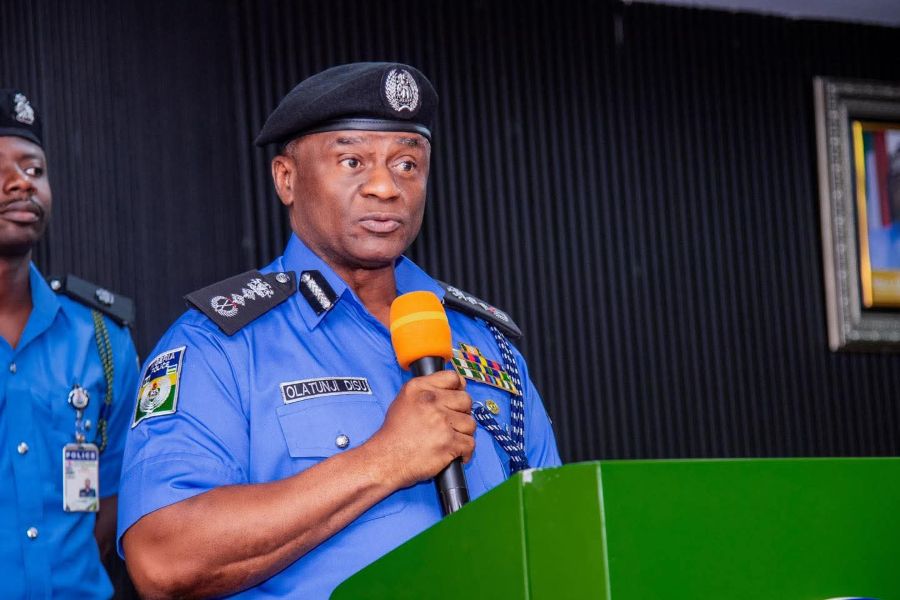
In what many political observers consider one of the strongest warnings issued ahead of major electoral activities, the Inspector General of Police declared zero tolerance for misconduct among officers deployed for election assignments.
The police boss stressed that every officer must operate strictly within constitutional boundaries and maintain absolute neutrality throughout the electoral process.
Any officer accused of aiding vote buying, intimidating voters, manipulating results, or acting in support of political interests will reportedly face immediate disciplinary action, arrest, and possible prosecution.
Internal Accountability Measures Introduced
| Accountability Measure | Intended Purpose |
|---|---|
| Internal Monitoring Teams | Supervise officer conduct |
| Rapid Complaint Channels | Report misconduct instantly |
| Disciplinary Panels | Investigate violations quickly |
| Election Duty Screening | Deploy only vetted personnel |
| Human Rights Training | Improve professional conduct |
The establishment of internal oversight mechanisms is expected to strengthen public confidence in the neutrality of the Nigeria Police Force during elections.
Massive Inter Agency Security Coordination Activated Nationwide
The police also confirmed that election security operations would be coordinated through the Inter Agency Consultative Committee on Election Security.
The arrangement brings together several major security institutions including the Department of State Services, the Nigeria Security and Civil Defence Corps, and military formations where necessary.
A harmonized communication structure has reportedly been established at the Force Headquarters to facilitate rapid information sharing and incident reporting across polling locations nationwide.
Security experts say the success of this coordinated framework could determine the overall stability of future elections.
Public Confidence Now Depends on Effective Implementation
The latest assurance from Inspector General Olatunji Rilwan Disu represents far more than a ceremonial statement. It reflects mounting pressure on security institutions to prove their credibility in protecting Nigeria’s democratic process.
For many Nigerians, the true test will not lie in official declarations alone, but in the visible implementation of these promises at polling units, transportation routes, collation centers, and vulnerable communities nationwide.
If successfully executed, the security roadmap could help reduce electoral violence, strengthen institutional trust, and encourage greater voter participation across the country. More importantly, it could redefine public perception of election security and reinforce confidence in democratic governance.
For a nation where electoral credibility remains deeply connected to national stability, the stakes could hardly be higher.
Read More On: