


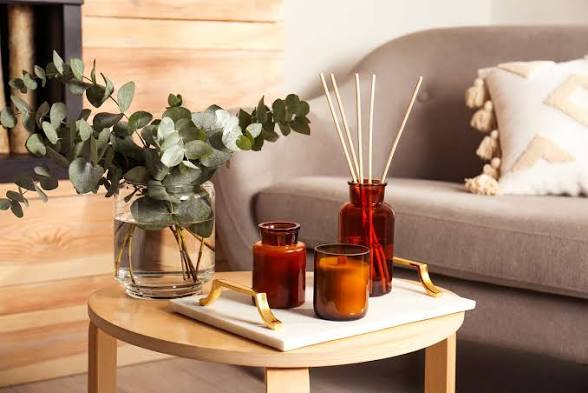
The Ultimate Wellness and Air Quality Masterclass
Creating a home that smells naturally fresh goes far beyond simply masking unpleasant odors. It is a deliberate process that combines science, lifestyle habits, and an understanding of how natural elements interact with air quality. A truly fresh home is one where the air feels clean, balanced, and calming the moment you step inside.
Modern living environments are often filled with invisible pollutants such as cooking fumes, synthetic materials, trapped moisture, and stale air circulation. Many commercial air fresheners attempt to solve this problem by layering artificial fragrance on top of it, but this approach does not address the root cause. Instead, it introduces additional chemical compounds into your living space.
This guide is designed to shift your mindset from “covering odors” to “transforming your environment.” Each method below is explained in depth so you understand not just what to do, but why it works and how to maximize its effectiveness.
1. The Art of the Simmer Pot
Deep Natural Fragrance Infusion
A simmer pot is one of the most powerful and immediate ways to introduce a rich, natural scent into your home. What makes it so effective is its ability to disperse aromatic compounds through steam, allowing the fragrance to travel evenly across large spaces.
Get TikTok SEO Cheat here

How It Works on a Scientific Level
When natural ingredients such as citrus peels, herbs, and spices are heated in water, their essential oils are released into the air in vapor form. This process is known as thermal diffusion. Unlike synthetic sprays that sit briefly in the air, steam carries these compounds more efficiently, allowing them to linger longer and feel more integrated into the environment.
How to Create a High-Impact Simmer Pot
To achieve a layered and long-lasting scent, combine ingredients from different scent families:
- Citrus base for freshness and brightness
Lemon, orange, lime - Herbal middle notes for balance and calmness
Rosemary, thyme, mint - Spice top notes for warmth and depth
Cinnamon sticks, cloves, star anise
Fill a pot with water, add your ingredients, and allow it to gently simmer on low heat. Avoid rapid boiling, as this can degrade the natural oils too quickly.
Why It Is Superior
- Hydrates dry indoor air
- Distributes scent evenly across rooms
- Creates a layered, evolving fragrance instead of a flat smell
2. Baking Soda
The Foundation of True Odor Elimination
Before adding pleasant scents, it is essential to eliminate existing odors at their source. Baking soda is one of the most effective natural substances for this purpose.
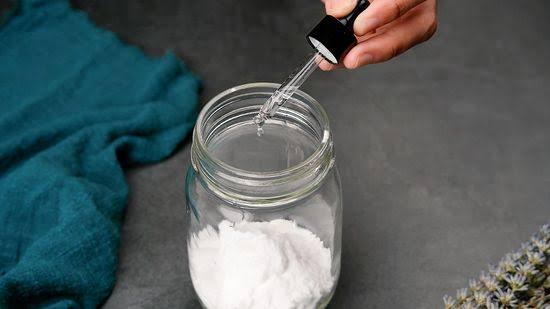
The Chemistry Behind It
Most unpleasant odors are caused by acidic compounds. Baking soda is alkaline, which means it reacts with these acidic molecules and neutralizes them. This process removes the odor entirely rather than disguising it.
Advanced Usage Techniques
For Carpets and Upholstery
- Mix baking soda with essential oils
- Sprinkle evenly across surfaces
- Allow it to sit so it can absorb trapped odors
- Vacuum thoroughly
For Enclosed Spaces
- Place open containers in areas like:
- Refrigerators
- Closets
- Shoe racks
These act as passive odor absorbers that work continuously.
Key Advantage
It works silently in the background, maintaining freshness without adding any scent of its own unless enhanced with essential oils.
3. DIY Botanical Room Sprays
Controlled Natural Fragrance Delivery
Homemade room sprays allow you to control exactly what enters your air. They are especially useful for quick refreshes and targeted scent application.
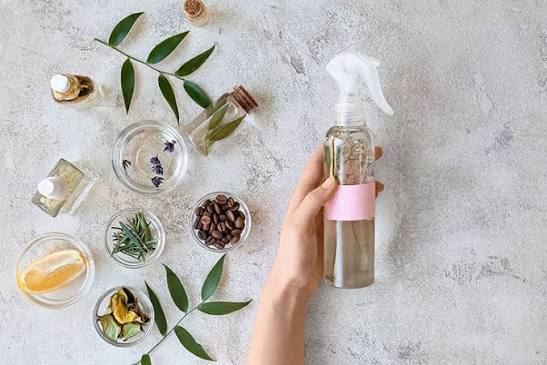
Understanding the Formula
A proper room spray requires three components:
- Water as the base
- Witch hazel or alcohol to help bind oils and improve dispersion
- Essential oils for fragrance and therapeutic effect
Why This Matters
Essential oils do not naturally mix with water. Without a binding agent, they will separate and result in uneven scent distribution.
Application Strategy
- Spray onto fabrics such as curtains and cushions
- Avoid spraying directly into the air excessively
- Use light, consistent applications rather than heavy bursts
Benefits
- Fully customizable scent profiles
- No artificial chemicals
- Can be tailored for relaxation, energy, or focus
4. Cross Ventilation
Resetting Your Indoor Air Naturally
Fresh air is the most overlooked yet most powerful tool for maintaining a clean-smelling home.

The Principle
Air inside a closed home becomes stagnant over time. It accumulates:
- Moisture
- Cooking residues
- Dust particles
- Human and pet odors
Cross ventilation replaces this air with fresh outdoor air.
How to Do It Effectively
- Open windows on opposite sides of your home
- Allow airflow to pass through completely
- Do this during cooler parts of the day for best results
Impact
- Reduces odor buildup at the source
- Improves oxygen levels
- Creates a noticeable sense of freshness instantly
5. Indoor Plants
Living Air Purifiers with Natural Aroma
Plants do more than decorate a space. They actively improve air quality and contribute subtle natural scents.
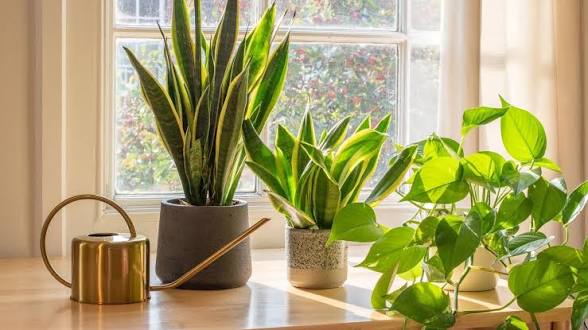
How Plants Improve Air
Plants absorb airborne toxins and release oxygen through photosynthesis. Some also release mild fragrances through their leaves or flowers.
Best Categories for Scent and Purification
- Floral plants for soft, pleasant aromas
- Herbal plants for fresh, sharp scents
- Eucalyptus-type plants for clean, spa-like freshness
Placement Strategy
- Near windows for optimal growth
- In frequently used spaces such as living rooms and kitchens
Long-Term Benefit
They provide continuous air improvement without any maintenance beyond basic care.
6. Vinegar Steam
Deep Odor Neutralization for Kitchens
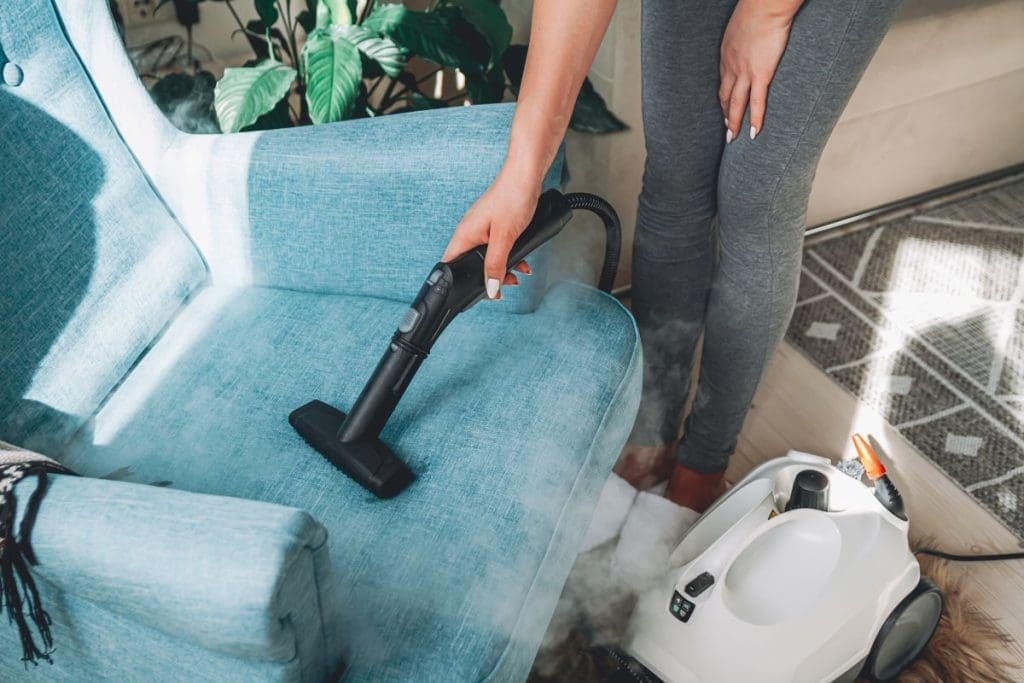
Cooking odors are among the most persistent and difficult to remove. Vinegar offers a powerful natural solution.
Why Vinegar Works
The acetic acid in vinegar binds to odor molecules in the air and neutralizes them.
How to Use It
- Simmer vinegar in a pot for a short period
- Allow the steam to circulate through the kitchen
What to Expect
The vinegar smell fades quickly, leaving behind neutral, clean air.
Best Use Cases
- After frying foods
- After cooking strong spices
- In enclosed kitchen spaces
7. Reed Diffusers
Continuous and Controlled Scenting
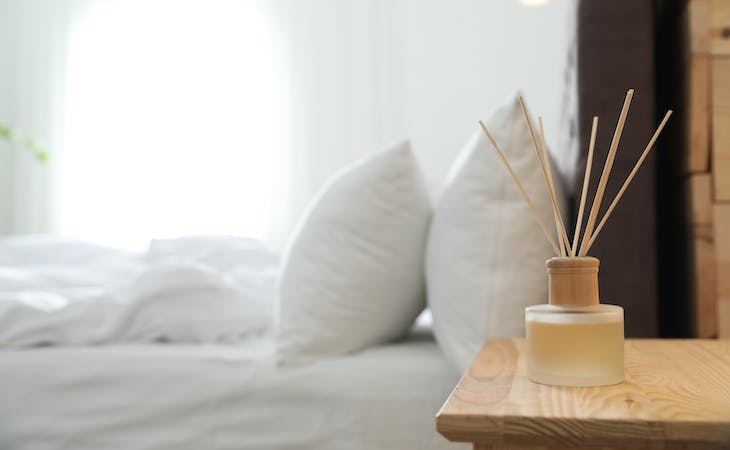
Reed diffusers provide a steady release of fragrance without heat or electricity.
How They Function
Reeds absorb scented oil and release it slowly into the air through evaporation.
How to Maximize Effectiveness
- Use high-quality carrier oils
- Flip reeds periodically to refresh scent strength
- Place in areas with light airflow for better distribution
Advantages
- Long-lasting fragrance
- No flame or heat required
- Consistent scent intensity
8. Activated Charcoal
Advanced Moisture and Odor Control
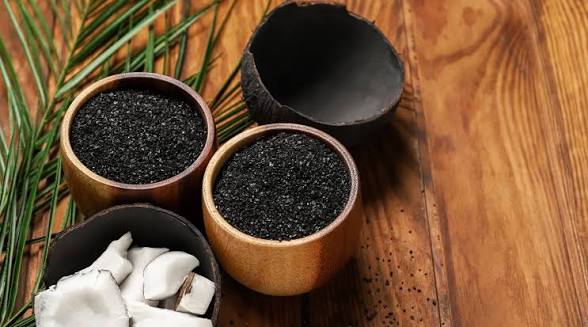
Activated charcoal is one of the most powerful natural absorbers available.
How It Works
Its highly porous structure traps:
- Odor molecules
- Excess moisture
- Airborne impurities
Best Locations
- Bathrooms
- Laundry areas
- Storage spaces
Maintenance
Expose charcoal to sunlight occasionally to refresh its absorption ability.
9. Sachets and Drawer Fresheners
Internal Scent Control
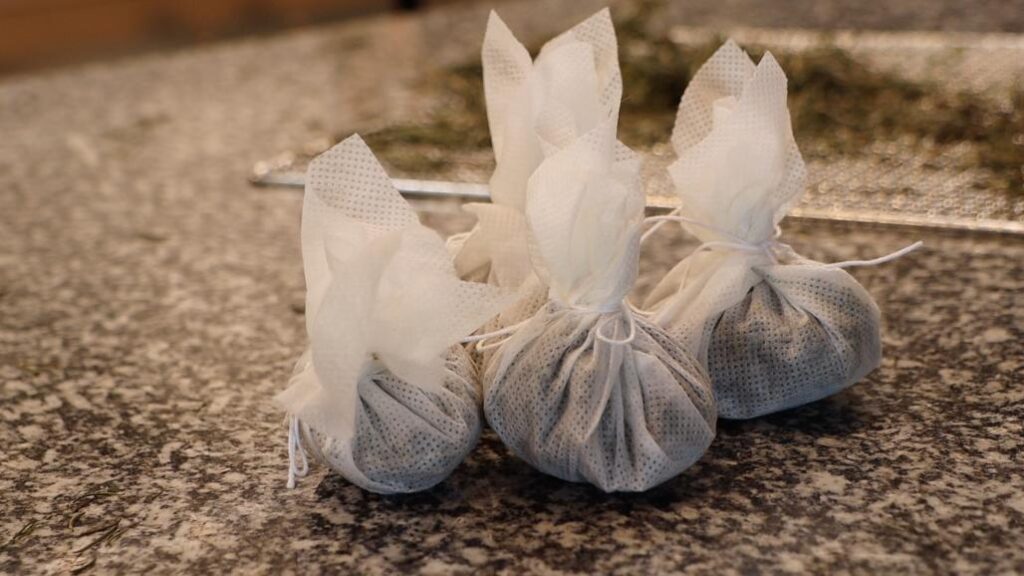
True freshness comes from inside your storage spaces as well.
Why It Matters
Clothes and fabrics can trap odors over time. Scented sachets prevent this buildup.
Best Materials
- Dried lavender for calming scent
- Cedar wood for freshness and pest control
- Citrus peels for light, refreshing aroma
Placement
- Inside drawers
- On closet shelves
- Between stored fabrics
Final Thoughts
A naturally fresh home is not achieved through a single method but through a combination of intentional practices. Each technique plays a specific role:
- Some remove odors at the source
- Others introduce natural fragrance
- Some improve overall air quality
When combined, they create a balanced environment that feels clean, calm, and welcoming at all times.
The goal is not just a pleasant smell, but a healthier space where every breath feels lighter and more refreshing.
Read More On: