


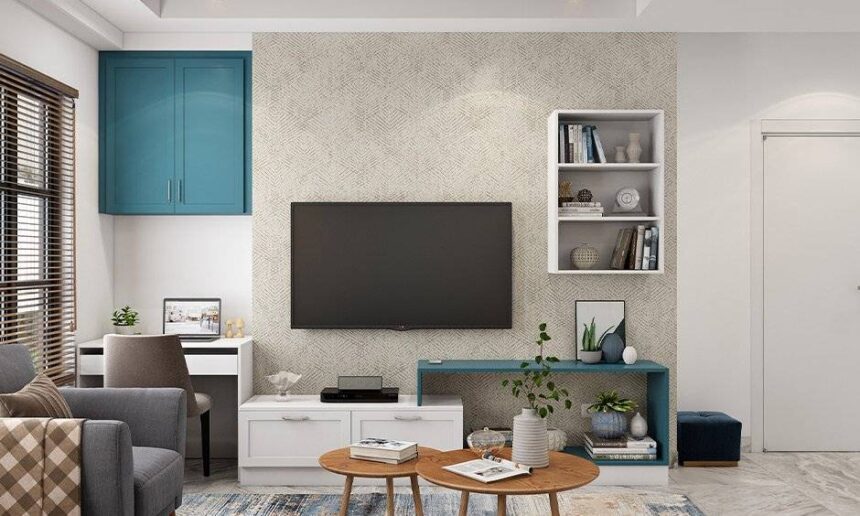
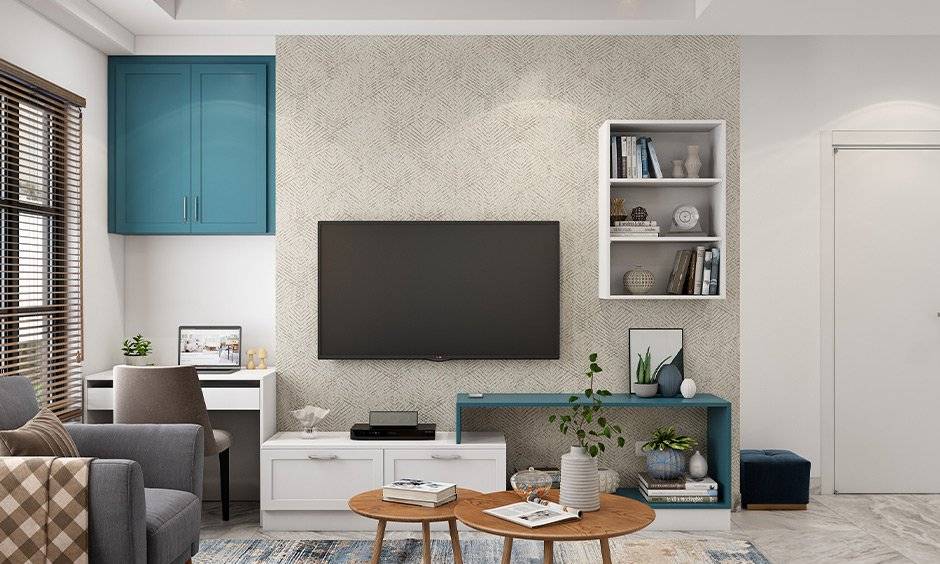
Living in a small room in places like Lagos, Ikorodu, or any fast growing urban area often means working with limited square footage. However, a small space does not have to feel tight, stuffy, or restrictive. With the right design techniques, you can completely transform how your room feels without knocking down a single wall.
Interior design in 2026 is no longer just about decoration. It is about perception, psychology, and smart spatial manipulation. The goal is simple. Make your room feel open, breathable, and visually expansive even when the actual size remains unchanged.
Below are ten highly effective methods, explained in detail, that will help you achieve that transformation.
1. Master the Science of Mirror Placement
Mirrors are not just decorative pieces. They are powerful tools that can completely alter how a room is perceived.
Get TikTok SEO Cheat here
When used correctly, mirrors create the illusion of depth by reflecting both light and space. This gives the impression that the room continues beyond its physical boundaries.
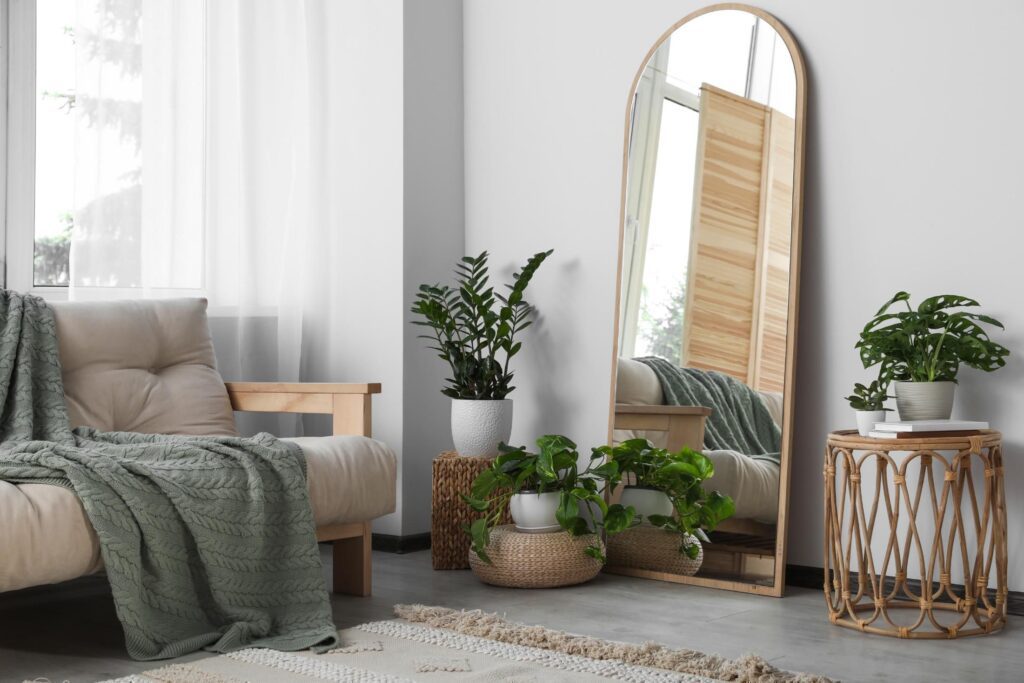
How to use mirrors effectively
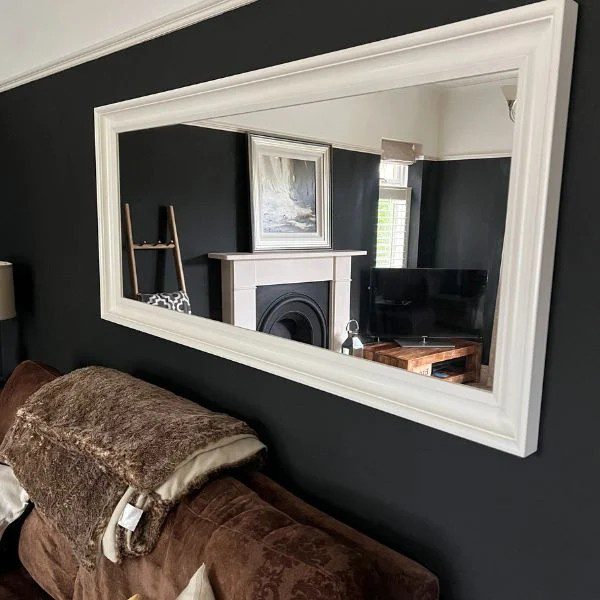
- Place a large mirror directly opposite a window. This allows natural light to bounce across the room, instantly brightening dark corners and creating the illusion of an additional window.
- Use full length mirrors that stretch vertically. This elongates the walls and makes ceilings appear higher.
- In narrow spaces like hallways or tight bedrooms, placing a mirror at the far end removes the boxed in feeling and replaces it with a sense of openness.
Why this works
Your brain interprets reflections as additional space. Instead of seeing a wall, it sees depth. This tricks your mind into believing the room is larger than it actually is.
2. Implement Color Drenching for Seamless Flow
Instead of using contrasting colors that break up the room visually, modern design now embraces color drenching.
This means painting the walls, ceiling, trims, and even doors in one continuous color.
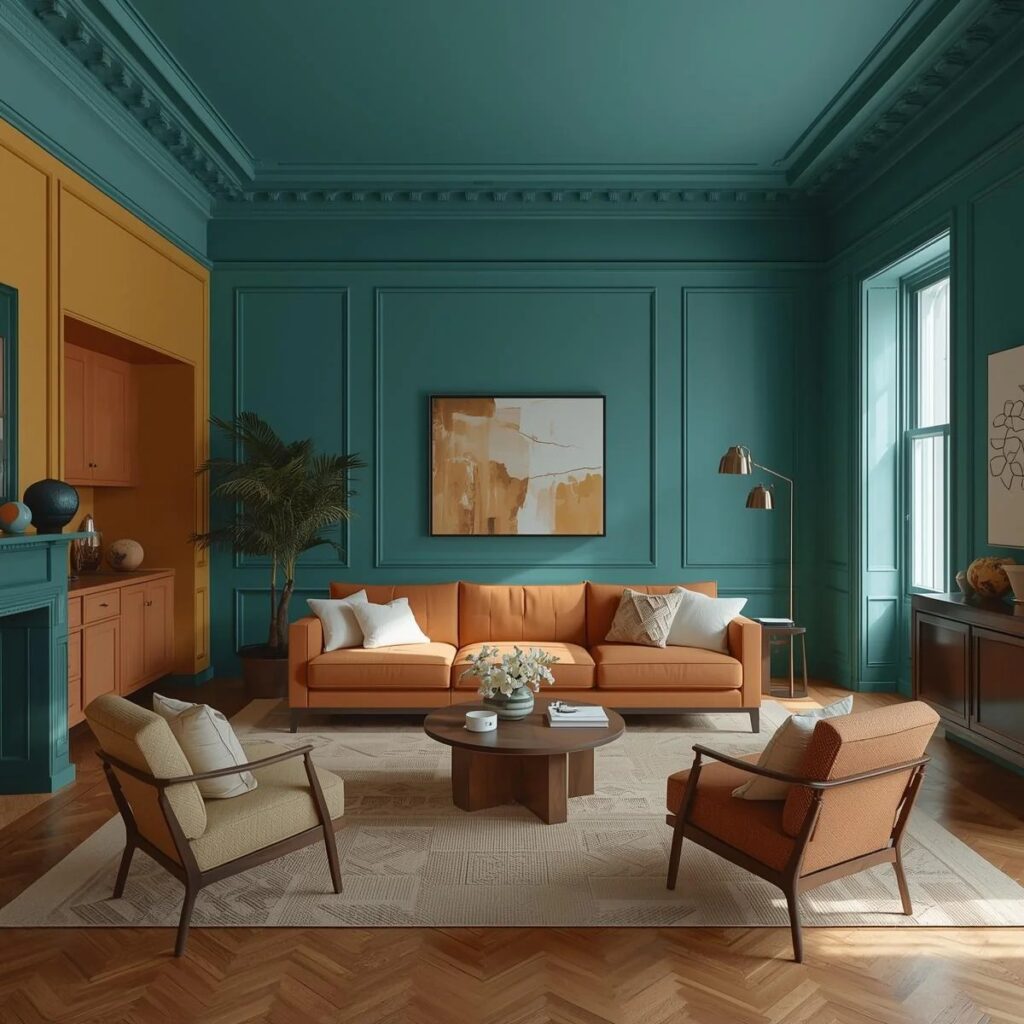
How to apply this technique
- Choose soft, calming tones such as warm beige, muted sage green, or light clay.
- Extend the same color across all surfaces without interruption.
- Use matte or eggshell finishes to reduce glare and maintain a smooth visual flow.
Why this works
When different parts of a room are painted in different colors, your eyes detect boundaries. These boundaries make the space feel smaller.
Color drenching removes these visual breaks. The room feels like one continuous surface, making it appear larger and more unified.
3. Think Vertically and Maximize Wall Height
Most people focus only on the lower half of their room, leaving valuable vertical space unused.
In a small room, the walls are your biggest asset.
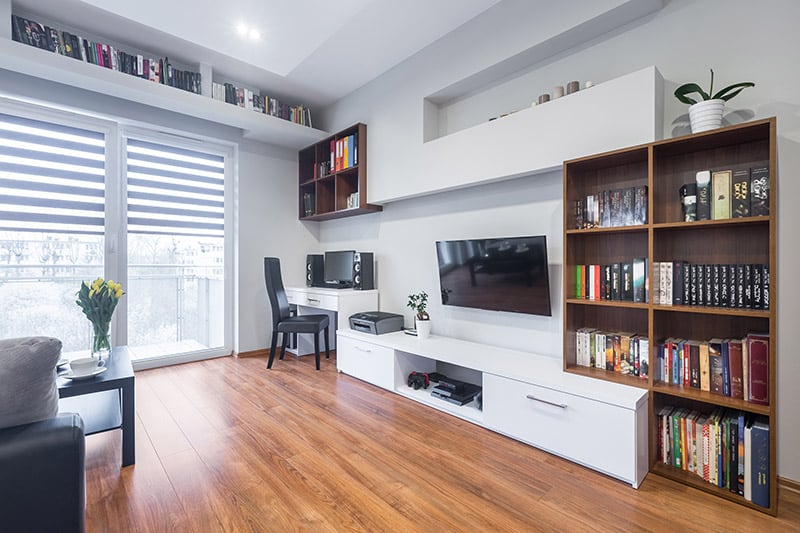
How to maximize vertical space
- Install shelves that extend all the way to the ceiling.
- Use tall wardrobes instead of wide ones.
- Mount curtain rods close to the ceiling rather than directly above the window.
Visual impact
Drawing the eye upward creates a sense of height. When your gaze travels vertically, your brain interprets the room as taller and more spacious.
4. Choose Furniture That Shows the Floor
Bulky furniture that sits directly on the ground can make a room feel heavy and crowded.
Instead, opt for furniture with visible legs.
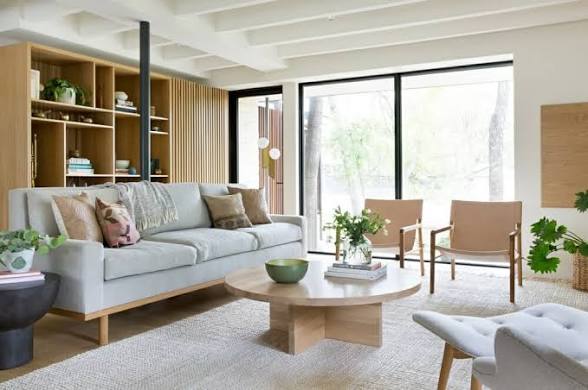
Best choices
- Sofas with slim wooden or metal legs
- Beds with raised frames
- Chairs with open bases
Why this matters
When you can see the floor underneath your furniture, it creates continuity. The floor appears to stretch further, giving the illusion of more space.
5. Follow the One Large Piece Principle
A common mistake is filling a small room with many small pieces of furniture.
While this may seem practical, it often creates clutter.
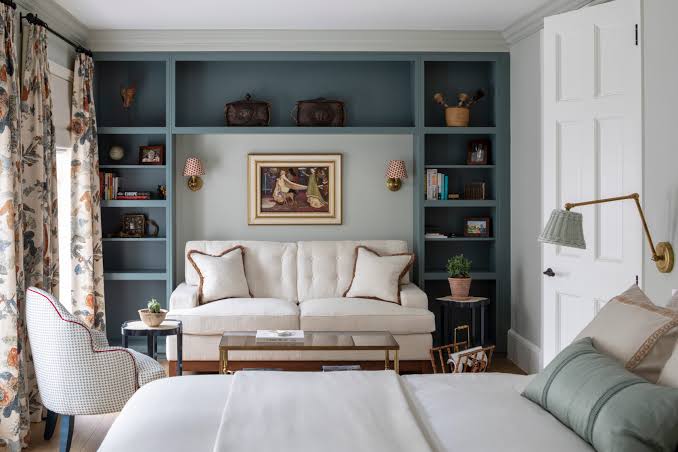
Better approach
- Use one main statement piece such as a well sized sofa or bed
- Keep surrounding furniture minimal and purposeful
Why it works
Too many small items create visual noise. Your brain processes this as clutter, making the room feel smaller.
One well chosen piece creates structure, calmness, and openness.
6. Invest in Multi Functional Furniture
In modern small spaces, every item should serve more than one purpose.
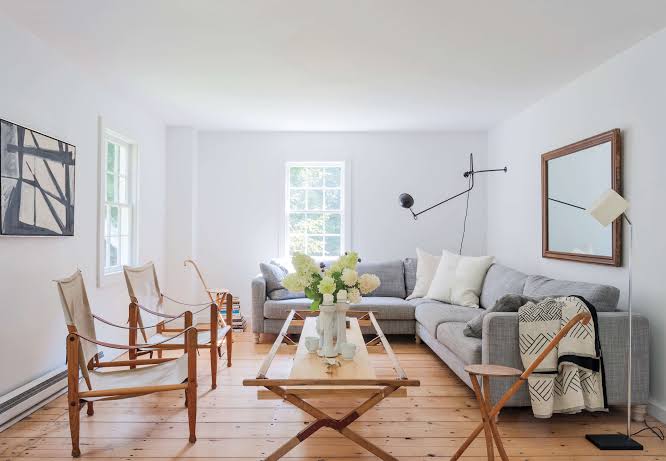
Examples of smart furniture
- Beds with storage drawers underneath
- Ottomans that open up for storage
- Foldable desks or wall mounted tables
- Lift top coffee tables that double as workstations
Benefits
- Reduces the need for extra furniture
- Keeps the room organized
- Frees up valuable walking space
The less clutter you have, the larger your room feels.
7. Let Natural Light Flow Freely
Light is one of the most important elements in making a room feel bigger.
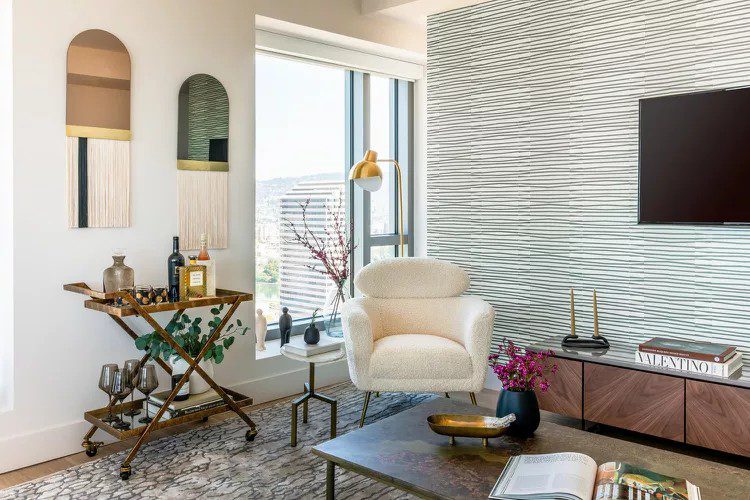
Heavy curtains block light and make a space feel enclosed.
What to do instead
- Use sheer curtains that allow sunlight to pass through
- Choose light colored fabrics
- Keep window areas clean and unobstructed
Effect on space
Natural light softens the room and removes shadows. Bright spaces always feel larger and more inviting than dark ones.
8. Create Clear and Open Pathways
Movement within a room affects how spacious it feels.
If you constantly have to navigate around furniture, the room will feel tight.
How to improve flow
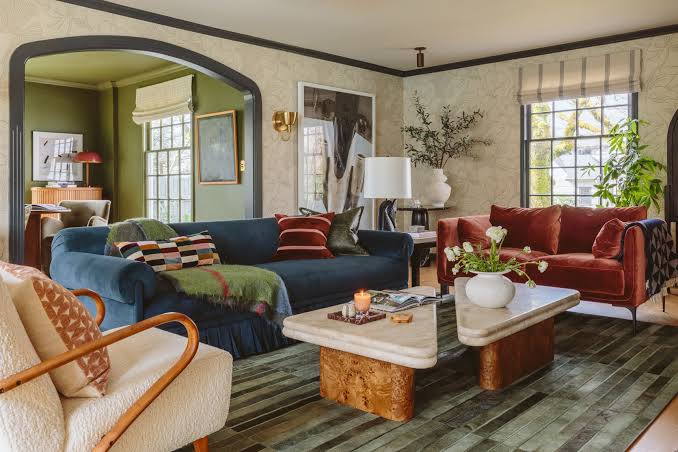
- Arrange furniture to create a clear walking path
- Avoid blocking entrances or windows
- Leave small gaps between furniture and walls
Why this matters
When movement is smooth and unrestricted, your brain perceives the space as functional and open.
9. Use Transparent or Reflective Materials
Furniture made from glass or acrylic has a unique advantage.
It does not visually block space.
Best applications
- Glass coffee tables
- Acrylic chairs
- Reflective surfaces like glossy finishes
Visual effect
Because you can see through these materials, they appear almost invisible. This allows the room to feel less crowded while still being functional.
10. Layer Your Lighting for Depth
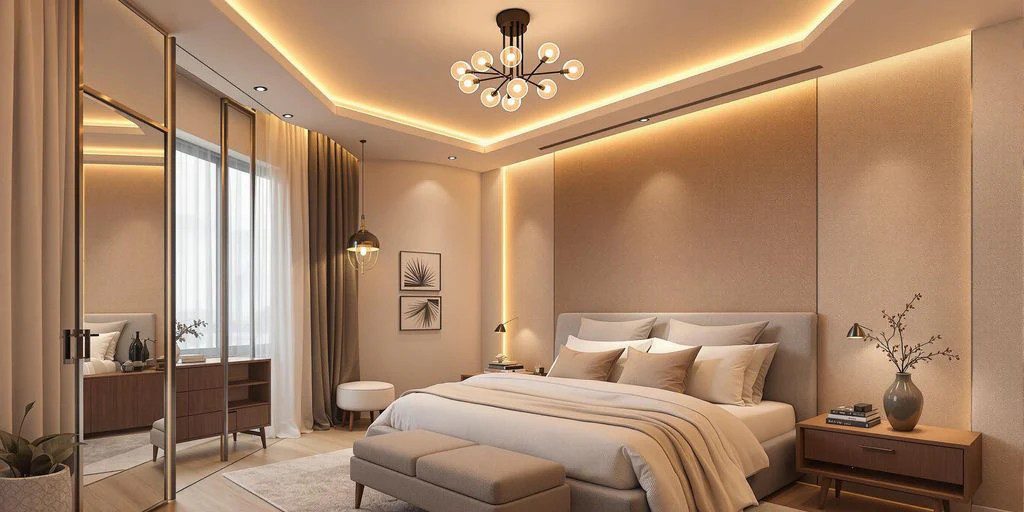
Relying on a single ceiling light creates shadows that make corners look darker and smaller.
Better lighting strategy
- Combine ceiling lights with floor lamps and table lamps
- Place lights in corners to eliminate shadows
- Use warm lighting to create a relaxed atmosphere
Why it works
Even lighting spreads across the room, reducing dark spots. When every corner is illuminated, the room feels larger and more open.
Additional Expert Tips for 2026
To take your space to the next level, consider these advanced enhancements:
Declutter aggressively
Every unnecessary item reduces visual space. Keep only what you truly need.
Use rugs wisely
A properly sized rug can define areas and make the room feel structured instead of cramped.
Stick to a consistent theme
Too many styles create confusion. A unified design feels more spacious and intentional.
Small Room Optimization Checklist
- Use mirrors to reflect light and space
- Keep colors consistent throughout the room
- Maximize vertical storage
- Choose elevated furniture
- Limit the number of items in the room
- Use multi purpose furniture
- Allow natural light to flow
- Maintain clear pathways
- Incorporate transparent materials
- Use layered lighting
Final Thoughts
A small room is not a limitation. It is an opportunity to design smarter.
When you combine light, color, structure, and thoughtful furniture choices, you can completely transform how your space feels.
In 2026, the smartest homes are not the biggest ones. They are the ones designed with intention, creativity, and efficiency.
With these strategies, your small room can feel open, comfortable, and beautifully functional every single day.
Read More On: