



Reducing sugar intake sounds simple in theory. Eat less candy. Drink less soda. Avoid desserts. Yet for most people, the experience becomes frustrating within days. Cravings intensify. Energy drops. Mood swings appear. Meals begin to feel boring. Eventually, many people return to their old eating habits because the process feels more like punishment than progress.
The truth is that sugar is deeply connected to the modern lifestyle.
It is hidden inside breakfast cereals, coffee drinks, sauces, breads, snacks, flavored yogurts, juices, and even so called “healthy” foods. Beyond taste, sugar also affects emotions, concentration, stress management, and reward systems in the brain. Many people do not just crave sugar because it tastes good. They crave it because it temporarily creates comfort, excitement, and quick energy.
For digital professionals, students, entrepreneurs, creators, and people with mentally demanding routines, this problem becomes even more serious. Sugar highs may provide a temporary burst of energy, but they are usually followed by mental fatigue, reduced focus, irritability, and cravings for even more sugar. This creates a cycle that quietly affects productivity, sleep quality, and long term health.
Get TikTok SEO Cheat here
The good news is that cutting sugar does not require extreme dieting.
You do not need to completely eliminate sweetness from your life. You do not need to eat tasteless meals or survive on salads alone. The modern approach to sugar reduction is based on strategy rather than suffering. It is about retraining your palate, balancing your blood sugar, and creating healthier substitutes that still satisfy your desire for enjoyable food.
This guide is designed to help you reduce sugar in a realistic and sustainable way.
Instead of relying on pure willpower, you will learn how to:
- Understand why cravings happen
- Replace sugar without feeling restricted
- Keep your meals enjoyable and satisfying
- Stabilize your energy levels naturally
- Prevent the dangerous “spike and crash” cycle
- Create healthier habits without losing pleasure in food
By the end of this guide, you will understand that reducing sugar is not about deprivation. It is about regaining control over your appetite, energy, focus, and overall wellness.
Understanding the Real Problem With Excess Sugar
Before discussing solutions, it is important to understand what sugar actually does inside the body.
When you consume high amounts of refined sugar, your blood glucose rises rapidly. In response, the body releases insulin to move that sugar into your cells. This sudden spike is often followed by a crash, leaving you tired, hungry, irritable, and craving another quick source of energy.
This pattern becomes addictive.
Over time, your brain begins to associate sugary foods with relief, comfort, and stimulation. That is why many people crave sugary snacks during stressful moments, late night work sessions, emotional situations, or periods of exhaustion.
Excess sugar consumption is also linked to:
| Effect | Impact on Daily Life |
|---|---|
| Energy crashes | Reduced productivity and focus |
| Increased hunger | Constant snacking and overeating |
| Poor sleep quality | Morning fatigue and brain fog |
| Mood fluctuations | Irritability and low motivation |
| Weight gain | Increased fat storage |
| Skin issues | Breakouts and inflammation |
| Reduced concentration | Difficulty staying mentally sharp |
The goal is not perfection. The goal is balance.
Once your body adapts to lower sugar levels, natural foods begin to taste sweeter, cravings become weaker, and your energy becomes more stable throughout the day.
1. Use the “Spice Over Sugar” Method
One of the easiest and most overlooked ways to reduce sugar is by changing how your brain experiences flavor.
Many people assume sweetness only comes from sugar itself. In reality, the brain also responds strongly to aroma and warmth. Certain spices naturally create the perception of sweetness even when very little sugar is present.
This is why desserts often contain ingredients like cinnamon, nutmeg, vanilla, and cardamom.
These spices stimulate sensory satisfaction without heavily affecting blood sugar.
Why This Method Works
When your senses detect warm aromatic flavors, your brain interprets the food as comforting and indulgent. This psychological effect can reduce the need for added sugar while still making meals enjoyable.
Cinnamon is particularly powerful because it may also help support blood sugar stability and insulin sensitivity.
Practical Ways to Apply This Method
| Instead of Adding | Try Using |
|---|---|
| Sugar in coffee | Cinnamon and vanilla |
| Sweetened oatmeal | Nutmeg and banana slices |
| Sugary cereal toppings | Cardamom and raisins |
| Sweet dessert sauces | Cocoa powder and cinnamon |
How To Start Today
Add cinnamon to:
- Coffee
- Tea
- Smoothies
- Oatmeal
- Yogurt
- Protein shakes
You may be surprised by how satisfying your meals feel even with less sugar.
2. Master the “Protein Plus Fiber” Buffer
One of the biggest mistakes people make is eating sugary foods on an empty stomach.
Doing this causes rapid glucose spikes followed by dramatic crashes. These crashes create fatigue and trigger even stronger cravings later.
The smarter approach is to combine sweetness with protein and fiber.
Why Protein and Fiber Matter
Protein slows digestion. Fiber slows sugar absorption.
Together, they create a metabolic “buffer” that reduces the intensity of blood sugar spikes.
This means:
- Longer lasting energy
- Reduced cravings
- Better concentration
- Improved fullness after meals
Examples of Smart Pairings
| Sweet Food | Better Pairing |
|---|---|
| Chocolate | Almonds or walnuts |
| Fruit | Greek yogurt |
| Smoothies | Chia seeds and protein |
| Toast with jam | Peanut butter |
A Powerful Habit Change
Never make sugary foods the centerpiece of your meal.
Instead:
- Eat balanced meals first
- Consume sweets in smaller portions afterward
- Pair treats with healthy fats or protein
This simple adjustment can dramatically reduce sugar crashes.
3. Choose Low Glycemic Sweeteners Carefully
Not all sweeteners affect the body equally.
Some sweeteners cause rapid glucose spikes, while others provide sweetness with minimal impact on blood sugar.
Understanding this difference is extremely important.
Best Natural Alternatives
| Sweetener | Main Advantage |
|---|---|
| Monk fruit | Very low glycemic impact |
| Stevia | Zero calorie sweetness |
| Allulose | Minimal blood sugar response |
| Dates | Fiber rich natural sweetness |
| Mashed banana | Nutrient dense baking option |
| Applesauce | Moisture and natural sweetness |
Important Warning
Natural does not automatically mean healthy in unlimited amounts.
Honey, maple syrup, and coconut sugar are still forms of sugar. They may contain minerals, but they can still raise blood glucose when overused.
Smart Baking Swaps
Instead of refined sugar:
- Use mashed bananas in pancakes
- Add dates to smoothies
- Replace syrup with fruit puree
- Use unsweetened applesauce in cakes
This approach allows you to enjoy sweetness while adding nutrients and fiber.
4. Identify Hidden Sugars in Everyday Foods
Many people believe they do not consume much sugar because they rarely eat desserts.
Unfortunately, hidden sugars are everywhere.
Manufacturers often add sugar to savory foods to improve flavor, texture, and shelf life.
Common Hidden Sugar Sources
| Food | Hidden Sugar Risk |
|---|---|
| Pasta sauce | Added sweeteners |
| Bread | Corn syrup |
| Salad dressing | Sugar concentrates |
| Ketchup | High fructose corn syrup |
| Flavored yogurt | Syrup and sweeteners |
| Granola bars | Multiple sugar forms |
How To Read Labels Properly
Look for ingredients such as:
- Corn syrup
- Cane juice
- Maltose
- Dextrose
- Fructose
- Sucrose
Also check the “Added Sugars” section on nutrition labels.
Simple Rule
If a savory product contains surprisingly high sugar content, search for a cleaner alternative.
Reducing hidden sugars can significantly lower daily intake without changing your main meals.
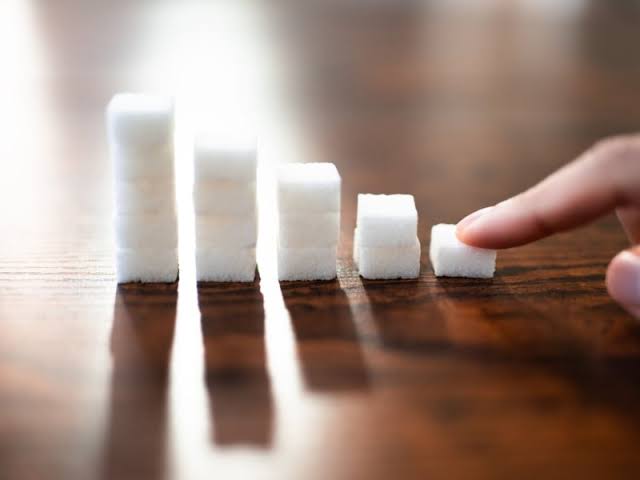
5. Gradually Retrain Your Taste Buds
Your palate adapts to whatever you consistently consume.
If you regularly eat highly sweetened foods, natural foods may initially taste bland. However, taste buds are remarkably flexible.
This means your sweetness tolerance can actually decrease over time.
Why Gradual Reduction Works Better
Sudden elimination often creates intense cravings and frustration.
A gradual reduction approach feels more natural and sustainable.
Practical Transition Strategy
| Current Habit | Better Transition |
|---|---|
| Two spoons of sugar in tea | Reduce slowly over time |
| Full strength juice | Dilute with water |
| Soda daily | Sparkling water with citrus |
| Sugary cereal | Plain oats with fruit |
What Happens After Several Weeks
Many people eventually notice:
- Fruit tastes sweeter
- Soda becomes overwhelmingly sugary
- Cravings reduce naturally
- Smaller portions feel satisfying
Your brain and taste buds begin resetting.
6. Use Sour and Fermented Foods to Fight Cravings
This strategy surprises many people.
Sour and fermented foods can naturally reduce sugar cravings by supporting gut health and improving digestion.
How Gut Health Affects Cravings
The digestive system contains trillions of bacteria that influence appetite, mood, and cravings.
Certain unhealthy gut imbalances may increase the desire for sugary foods.
Fermented foods help support healthier gut bacteria.
Helpful Options
| Food | Benefit |
|---|---|
| Plain Greek yogurt | High protein and probiotics |
| Apple cider vinegar | Supports blood sugar response |
| Low sugar kombucha | Fermented gut support |
| Kimchi | Digestive benefits |
| Sauerkraut | Healthy bacteria support |
Simple Daily Habit
Try drinking water with a small amount of apple cider vinegar before meals.
This may help:
- Improve fullness
- Reduce blood sugar spikes
- Lower cravings afterward
Always dilute it properly to protect your teeth and stomach.
7. Improve Sleep to Control Hunger Hormones
Many sugar cravings are actually exhaustion signals.
When you sleep poorly, your body experiences hormonal disruptions that increase appetite.
The Hormonal Connection
Poor sleep increases:
- Ghrelin, the hunger hormone
Poor sleep decreases:
- Leptin, the fullness hormone
As a result, the brain desperately searches for quick energy sources, especially sugar and refined carbohydrates.
Signs Your Craving Is Actually Fatigue
| Symptom | Possible Cause |
|---|---|
| Late night sweet cravings | Sleep deprivation |
| Afternoon sugar urges | Poor rest quality |
| Constant snacking | Hormonal imbalance |
| Energy crashes | Insufficient sleep |
Better Alternatives to Sugar During Fatigue
Instead of grabbing sweets:
- Take a short walk
- Drink water
- Stretch your body
- Take a quick nap
- Get fresh air
Sometimes your body needs rest, not sugar.
8. Replace “Reward Eating” With Better Rituals
For many people, sugar is emotional and behavioral.
Dessert after dinner. Biscuits during tea. Chocolate during stress. Ice cream while watching movies.
These are rituals.
The key is not destroying the ritual. The key is changing the reward.
Why Rituals Matter
Humans naturally repeat comforting routines. Removing them completely often creates emotional resistance.
Replacing them works better.
Healthier Ritual Ideas
| Old Habit | New Ritual |
|---|---|
| Soda after work | Sparkling water with lemon |
| Dessert every night | Herbal tea |
| Stress eating sweets | Short evening walk |
| Sugary coffee drinks | Cinnamon latte with less sugar |
The Power of Herbal Tea
High quality herbal teas can provide:
- Comfort
- Relaxation
- Warmth
- Flavor complexity
- Sensory satisfaction
Peppermint, hibiscus, chamomile, and ginger teas are excellent options.

The Low Sugar Survival Table
| Instead of… | Try… | The Benefit |
|---|---|---|
| Milk chocolate | Dark chocolate | Lower sugar and more antioxidants |
| Fruit yogurt | Plain Greek yogurt with berries | Higher protein and less added sugar |
| Soda | Sparkling water with lime | Refreshing without sugar |
| Sweet cereal | Oats with fruit and nuts | Better energy stability |
| Ice cream | Frozen banana blend | Natural sweetness |
| Candy | Mixed nuts and dried fruit | More filling and nutrient dense |
How To Handle Sugar Cravings Naturally
When cravings hit, use this quick checklist before eating something sugary:
| Question | Why It Matters |
|---|---|
| Am I actually hungry? | You may just be bored |
| Did I sleep enough? | Fatigue increases cravings |
| Have I eaten protein today? | Low protein triggers hunger |
| Am I dehydrated? | Thirst can mimic cravings |
| Am I stressed? | Emotional eating is common |
Sometimes cravings disappear within minutes once the real issue is addressed.
The 21 Day Palate Reset
Your taste buds continuously regenerate.
As you gradually reduce sugar intake, your palate becomes more sensitive to natural sweetness.
After several weeks, many people notice:
- Fruits taste richer
- Artificial sweetness feels overpowering
- Cravings become less frequent
- Energy becomes more stable
- Mood improves throughout the day
The goal is not to fear sugar forever.
The goal is to stop depending on it for energy, comfort, and emotional balance.
Progress Over Perfection
Cutting sugar does not require extreme restrictions or miserable eating habits.
The most successful approach is not based on punishment. It is based on intelligent substitutions, balanced meals, improved sleep, hydration, and mindful habits.
Small consistent changes create long term transformation.
Instead of asking:
“How do I completely eliminate sugar?”
Ask:
“How can I make healthier choices more enjoyable and sustainable?”
That single mindset shift changes everything.
When you learn to stabilize your blood sugar, support your energy naturally, and retrain your palate gradually, healthy eating stops feeling like a battle and starts feeling like freedom.
Read More On: