


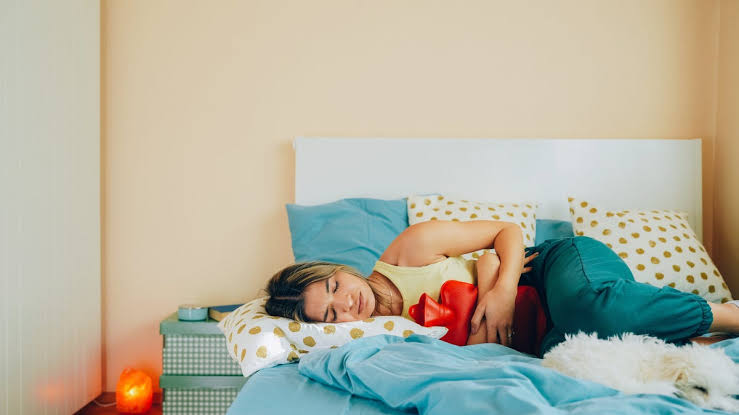
Menstrual cramps are one of the most common physical experiences that affect people who menstruate, yet they are also one of the most misunderstood. The discomfort often feels like a deep tightening or squeezing sensation in the lower abdomen, sometimes spreading to the lower back, thighs, and even the hips. For many, this pain can interfere with daily productivity, concentration, mood stability, and overall quality of life.
At the center of this experience is a natural biological process. During menstruation, the uterus contracts in order to shed its inner lining. These contractions are triggered by hormone like substances known as prostaglandins. When prostaglandin levels are high, the uterine muscles contract more intensely, reducing blood flow temporarily and creating the painful sensation commonly referred to as cramps.
While pain relief tablets are widely used to manage this condition, many people are now exploring natural methods that support the body without relying on medication. These approaches focus on improving circulation, reducing inflammation, relaxing muscle tension, and balancing the nervous system.
This guide is designed as a practical and detailed walkthrough of natural strategies that can be used at home, at work, or during daily activities. Each method is explained in a way that helps you understand not only what to do, but how and why it works.
Get TikTok SEO Cheat here
The goal is simple. To help you build a personal comfort system that supports your body throughout your cycle.
Targeted Heat Therapy for Immediate Muscle Relaxation
Heat therapy is one of the most reliable and widely used methods for easing menstrual cramps. It works because warmth directly affects the muscles of the uterus and surrounding tissues.
When heat is applied to the lower abdomen, blood vessels expand. This improves blood flow and helps oxygen reach the muscle tissues more efficiently. As circulation improves, the intensity of uterine contractions reduces, which leads to noticeable pain relief.
How to use heat effectively:
- Place a heating pad on the lower abdomen for periods of 20 to 30 minutes at a time
- Use a hot water bottle wrapped in a cloth to avoid skin irritation
- Take a warm bath and allow your body to fully relax for at least 20 minutes
- If you are busy, use portable heat patches that can be worn under clothing.
The key is consistency. Applying heat early when cramps begin often prevents the pain from becoming more intense.
Anti Inflammatory Dietary Support for Cycle Comfort
What you eat can significantly influence how your body experiences menstrual pain. Certain foods naturally reduce inflammation while others may worsen bloating and discomfort.
Foods that support relief:
- Omega 3 fatty acids found in fish, walnuts, and chia seeds help reduce inflammatory responses in the body
- Magnesium rich foods such as spinach, bananas, and pumpkin seeds help relax muscle contractions
- Foods rich in antioxidants like berries help protect cells from inflammation related stress
Foods to reduce during your cycle: - Excess salt which increases water retention
- High sugar foods that may trigger inflammation
- Excess caffeine which can increase tension and dehydration
Practical approach:
Try to prepare lighter meals in the days leading to your period. Focus on warm, nourishing foods that are easy to digest. Soups, stews, and herbal teas are especially helpful during this time.
Herbal Teas for Internal Comfort and Relaxation
Herbal teas are more than soothing drinks. Many contain natural compounds that interact with muscle tissue and the nervous system.
Ginger tea: Ginger supports the body by reducing inflammation and improving circulation. It can help reduce the intensity of uterine contractions and is often used during the first days of menstruation.
Chamomile tea: Chamomile has calming properties that help relax both the body and the mind. It can ease muscle spasms and support better sleep during discomfort.
Raspberry leaf tea: This herb is traditionally used for reproductive health. It is believed to tone uterine muscles and support smoother contractions.
How to use herbal teas effectively:
- Drink warm tea two to three times daily during your cycle
- Combine different teas for combined benefits
- Avoid adding excessive sugar so the body can fully benefit from the plant compounds
Gentle Movement and Yoga for Pain Reduction
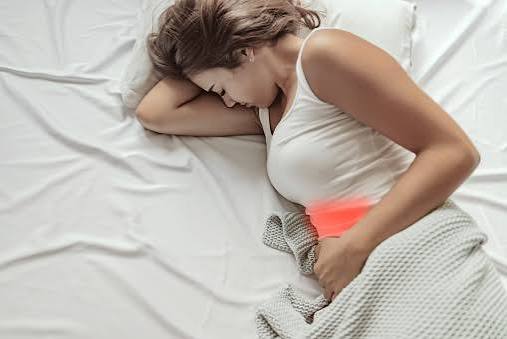
Although movement may feel difficult during cramps, light physical activity can significantly reduce pain levels. Movement encourages the release of endorphins, which are the body’s natural pain relieving chemicals.
Helpful yoga positions:
- Child like resting pose helps release pressure from the lower back
- Cat and cow movement improves spinal flexibility and pelvic circulation
- Reclined knee to chest position gently stretches the lower abdomen
Simple movement routine:
- Walk slowly for 10 to 20 minutes
- Stretch gently without forcing the body
- Focus on slow breathing while moving
The goal is not intensity but gentle support for circulation and muscle relaxation.
Essential Oil Massage for Localized Relief
Aromatherapy combined with massage can provide both physical and emotional relief during cramps.
Useful essential oils:
- Lavender oil supports relaxation and reduces tension
- Clary sage oil is known for supporting hormonal balance and muscle relaxation
How to apply:
- Mix a few drops of essential oil with a carrier oil such as coconut or almond oil
- Massage the lower abdomen in slow circular movements
- Continue for 5 to 15 minutes depending on comfort
This method helps improve blood flow while calming the nervous system.
Hydration for Internal Balance and Reduced Bloating
Hydration plays a major role in how the body manages menstrual discomfort. When the body lacks water, it tends to retain fluid, which increases bloating and pressure in the abdominal region.
Effective hydration approach:
- Drink water consistently throughout the day rather than large amounts at once
- Use warm water when possible to support circulation
- Include herbal teas as part of your fluid intake
Proper hydration helps the body flush out excess salt and reduces unnecessary pressure on the uterus.
Electrical Nerve Stimulation for Pain Control
A transcutaneous electrical nerve stimulation device is a small tool that uses mild electrical pulses to reduce pain signals sent to the brain.
How it works:
The device places small pads on the skin. These pads send gentle electrical impulses that interfere with pain messages and encourage the release of endorphins.
How to use it:
- Place the pads on the lower abdomen or lower back
- Adjust intensity to a comfortable level
- Use for sessions of 20 to 30 minutes depending on need
This method is especially useful for people with moderate to severe cramps who need consistent relief during daily activities.
Sleep Quality and Stress Control for Pain Reduction
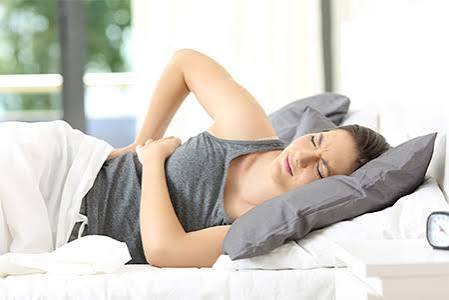
Stress and lack of sleep can significantly increase the intensity of menstrual cramps. When the body is stressed, it produces more cortisol, which can heighten pain sensitivity.
Sleep improvement strategies:
- Maintain a consistent sleep routine
- Use a pillow between the knees to reduce pressure on the lower back
- Sleep in a side position for better comfort
Stress reduction techniques:
- Practice slow breathing exercises
- Spend a few minutes in quiet reflection or meditation
- Avoid overstimulation before bedtime
A calm nervous system reduces the body’s overall pain response.
Comparison of Natural Relief Methods
| Method | Best Use Case | Effort Level |
| Heat therapy | Fast muscle relaxation | Low |
| Herbal teas | Internal inflammation support | Low |
| Gentle yoga | Circulation and flexibility | Medium |
| Essential oil massage | Localized pain relief | Medium |
| Hydration | Bloating reduction | Low |
| Electrical nerve stimulation | Strong pain control | Medium |
| Sleep and stress care | Long term balance | Medium |
Building a Personal Comfort System
Managing menstrual cramps naturally is not about relying on a single method. It is about combining several supportive habits that work together to reduce pain and improve comfort. Some people respond best to heat and hydration, while others find greater relief through movement, diet, or relaxation techniques.
The most effective approach is to observe your body and identify which methods give you the most consistent relief. Over time, you can build a personalized routine that fits seamlessly into your lifestyle.
Read More On: