


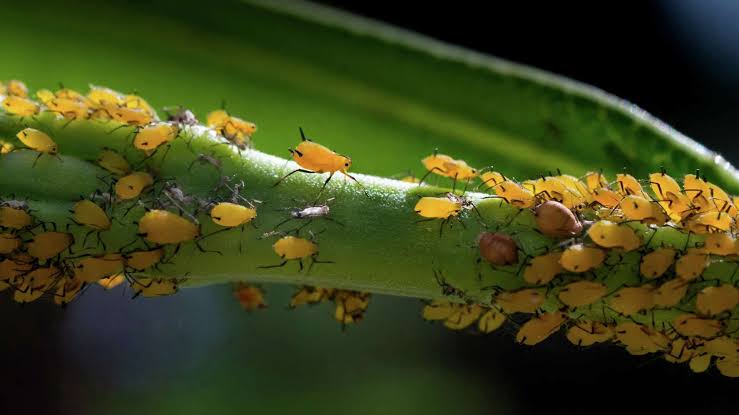
Spring brings fresh growth, brighter gardens, and a sense of renewal. Along with those tender green shoots, another familiar presence shows up. Aphids begin to appear in large numbers, quietly feeding on new plant growth. These tiny insects may seem harmless at first, yet they can quickly become a serious problem.
Aphids feed by drawing sap from plants. As they multiply, they weaken stems, distort leaves, and leave behind a sticky substance known as honeydew. This residue attracts fungal growth such as black sooty mold, which further damages the plant.
For gardeners who care about the environment, the goal is clear. Control pests without harming beneficial insects such as bees. Early pollinators depend on the same plants that aphids attack. Using harsh chemicals may solve one problem while creating another.
A more thoughtful approach focuses on balance. By combining simple physical methods with gentle natural solutions, it is possible to protect plants while preserving the ecosystem.
Get TikTok SEO Cheat here
Understanding Aphid Behavior
Before taking action, it helps to understand how aphids operate.
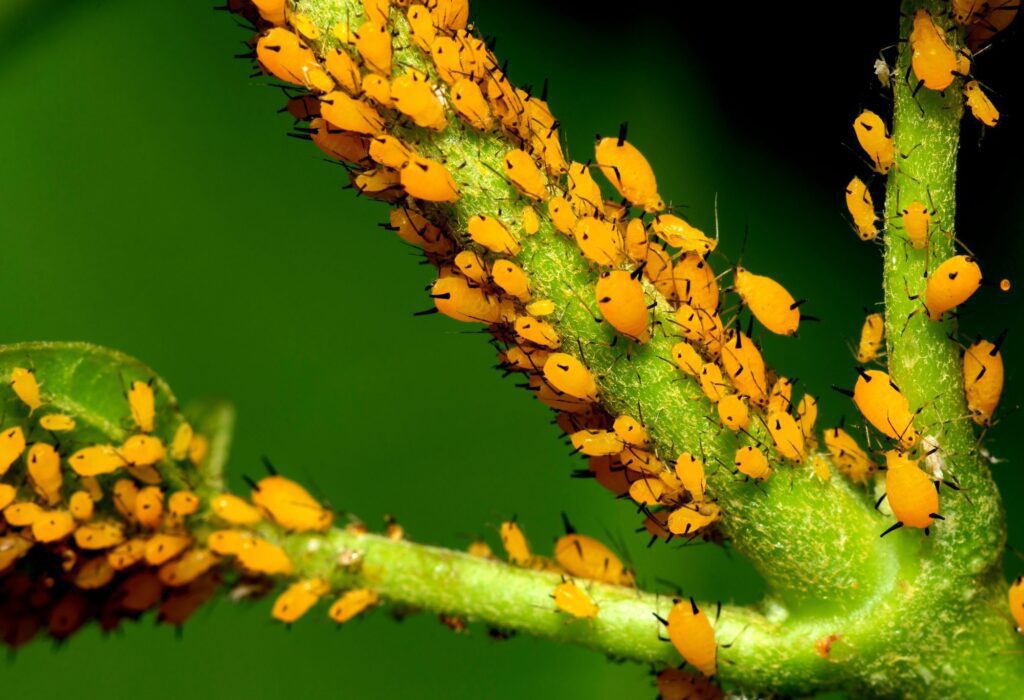
Key Characteristics
• Soft bodied insects that are easily damaged
• Rapid reproduction, often forming large colonies within days
• Preference for tender new growth and the underside of leaves
• Production of honeydew that attracts ants and encourages mold
Because of their fragile bodies, aphids can often be controlled without the need for strong chemicals.
Technique One: Using Water as a Natural Control
The simplest and often most effective method involves nothing more than water. A strong stream can remove aphids from plants and disrupt their life cycle.
Read More On:
- ECOWAS Investment Drive Puts Nigeria Infrastructure Projects at the Center of $266.7M Plan
- Africa Technology Expo Targets Massive Deal Growth in Lagos.
- Nigeria Releases Oil and Gas Reserves Data with Fresh Insights
- Nigeria Faces Inflation Uncertainty Despite Recent Economic Gains.
Why This Works
Aphids attach themselves to plants using delicate mouthparts. A firm spray of water can knock them off with ease. Once they fall to the ground, many are unable to return to the plant. They may die due to injury, exhaustion, or natural predators.
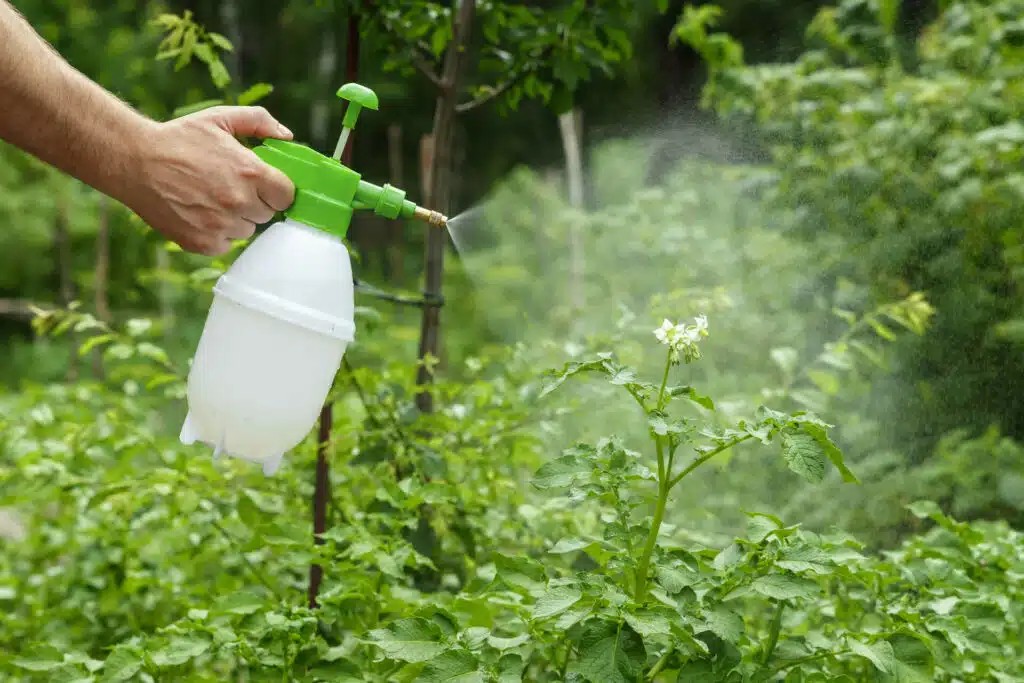
How to Apply This Method
Follow these steps for best results:
• Adjust your hose nozzle to produce a steady and firm stream
• Avoid extreme pressure that could damage young leaves
• Direct the spray toward the underside of leaves where aphids gather
• Target hidden areas such as buds and leaf joints
• Support delicate stems with your hand while spraying
• Repeat the process every two to three days for at least one week
Consistency is important. New aphids may hatch after the first treatment, so regular spraying helps keep their population under control.
Technique Two: Using a Natural Soap Solution
When water alone is not enough, a mild soap solution can provide additional support. Castile soap is widely used in organic gardening due to its plant friendly nature.
How the Soap Works
Instead of poisoning insects, the soap breaks down the protective outer layer of the aphid’s body. This causes dehydration and leads to rapid death upon contact. Once the solution dries, it no longer has any effect.
Preparing the Solution
You can make an effective mixture using simple ingredients:
• One liter of clean water
• One tablespoon of pure liquid Castile soap
• Optional addition of a small amount of cayenne pepper for extra deterrence
Mix thoroughly before use.
Application Guidelines
To ensure success, follow these steps:
• Gently shake the plant before spraying to allow beneficial insects to move away
• Spray directly onto aphids until the leaves are fully coated
• Focus on stems and the underside of leaves
• Apply early in the morning or later in the evening
• Avoid applying during hot sunlight to prevent leaf damage
Since this method works only on contact, thorough coverage is essential.
Read More On:
- Oil Surges Past $111 as Global Markets React
- Understanding AI Privacy and How to Stay Safe.
- Wabi Sabi Living: How to Create Beautifully Imperfect Clay Pieces for Your Kitchen.
- Tinubu Appoints Dalhatu Abubakar as NCX Chairman in Major Economic Reform Move
Protecting Beneficial Insects
One of the main goals of organic gardening is to protect helpful species. Bees and other pollinators play a vital role in plant health.
Safety Practices
• Avoid spraying flowers where pollinators gather
• Apply treatments when pollinators are less active
• Allow the solution to dry completely before daytime activity resumes
• Inspect plants for helpful insects such as ladybug larvae or hoverfly larvae
If you notice these natural predators, it is often best to let them handle the aphid problem.
Managing Ant Activity
If aphids continue to return, ants may be involved. Ants are attracted to the honeydew produced by aphids and often protect them from predators.
Signs of Ant Involvement
• Frequent ant movement along stems
• Aphid colonies that seem protected or persistent
• Increased honeydew buildup
How to Address the Issue
• Apply a sticky barrier around the base of the plant
• Prevent ants from climbing up stems
• Reduce their ability to protect aphids
By breaking this relationship, you make it easier to control aphids naturally.
Long Term Garden Care
A healthy garden requires ongoing attention rather than one time solutions.
Best Practices
• Inspect plants regularly for early signs of infestation
• Act quickly when aphids first appear
• Encourage beneficial insects to thrive
• Maintain proper watering and plant health
Quick Reference Guide
• Use water spray for light infestations
• Apply soap solution for larger colonies
• Treat plants during cooler parts of the day
• Keep flowers free from sprays
• Watch for ants and manage their movement
Final Thoughts
Caring for a garden is about working with nature rather than against it. By using simple techniques such as water spraying and natural soap solutions, you can control aphids effectively while protecting the balance of your garden.
This approach supports healthy plants, thriving pollinators, and a more sustainable environment.
Read More On:
- Nigeria’s Blue Economy Generates ₦1.83 Trillion as Maritime Revenue Surges
- The Endurance King: Vivo V70 FE Delivers Unmatched Battery Life
- Redmi Note 15 SE: The Smartphone That Redefines Affordable Excellence
- How To Use Limewash to Create a Soft and Textured Interior
- Oluremi Tinubu Launches Food Bank with Dangote, NNPC Support