



Waking up should feel natural, yet for many people it feels forced. The traditional alarm clock relies on a fixed time, with no regard for what your body is doing at that moment. This often leads to that heavy morning grogginess known as sleep inertia. It can slow your thinking, drain your energy, and affect your mood for hours.
In today’s wellness focused world, there is a smarter approach. It is called the biometric alarm. This system uses data from wearable devices to wake you at the most suitable moment in your sleep cycle. Instead of interrupting deep rest, it waits until your body is already preparing to wake.
Understanding Why Timing Matters
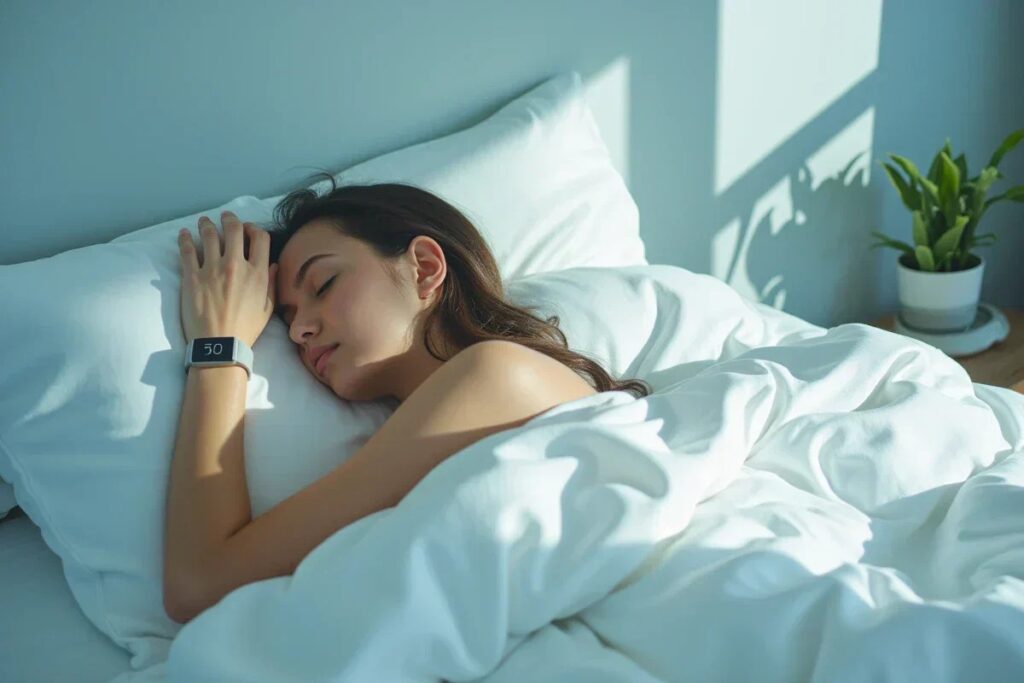
Sleep is not a single continuous state. It moves in cycles that usually last about ninety minutes. Each cycle includes different stages, and each stage plays a unique role in your health.
Key Sleep Stages
• Light sleep
This is the stage where your body begins to relax. Your breathing slows and your heart rate becomes steady. It is also the easiest stage to wake from.
Get TikTok SEO Cheat here
• Deep sleep
This is when your body carries out repair work. Muscles recover, tissues heal, and your immune system strengthens. Waking up at this point often leaves you feeling disoriented.
• REM sleep
This stage supports memory, learning, and emotional balance. It is also when most dreaming happens.
The ideal moment to wake up is during light sleep. At this point, your body is already transitioning toward full awareness. A biometric alarm is designed to detect this moment.
How Biometric Alarms Work
Instead of ringing at a fixed time, biometric alarms operate within a flexible window.
The Wake Up Window
• You choose a target wake time such as 7:00 AM
• The system begins monitoring your body about thirty minutes earlier
• It tracks movement, heart rate, and other signals
• The alarm activates as soon as light sleep is detected
For example, if your body enters light sleep at 6:42 AM, the alarm will go off then instead of waiting until 7:00 AM. This allows you to wake up feeling refreshed rather than forced.
Read More On:
- Oil Surges Past $111 as Global Markets React
- Understanding AI Privacy and How to Stay Safe.
- Wabi Sabi Living: How to Create Beautifully Imperfect Clay Pieces for Your Kitchen.
- Tinubu Appoints Dalhatu Abubakar as NCX Chairman in Major Economic Reform Move
Building Your Biometric Alarm System
To set this up, you need two main components. One collects data. The other delivers the wake up signal.
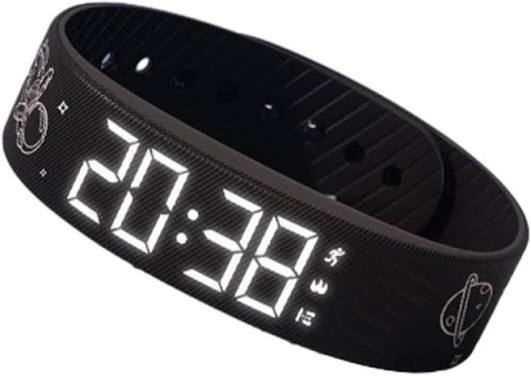
Phase One: Choosing Your Wearable Sensor
The sensor is responsible for tracking your body during sleep.
Available Options
• Smart rings
These are small and comfortable. They use advanced sensors to monitor heart rate variability and movement. Many people prefer them because they do not interfere with sleep.
• Smartwatches
These are useful if you prefer a gentle vibration on your wrist. They also track multiple health metrics.
• EEG headbands
These are the most accurate option. They measure brain activity directly, which allows precise identification of sleep stages. They are often used by people who want deeper insights into their sleep patterns.
Each option has its strengths. The best choice depends on your comfort and how detailed you want your data to be.
Phase Two: Setting Up the System
Once you have your wearable device, the next step is to connect it to your alarm system.

Key Setup Steps
• Enable data sharing
Open the app linked to your wearable device and allow it to share health data with your alarm application.
• Define your wake window
Set a flexible period, usually thirty minutes before your desired wake time.
• Choose your wake method
Decide whether you prefer vibration, sound, or a combination of both. Many people find that a soft vibration followed by gradual sound works best.
This setup allows your devices to communicate and respond to your body in real time.
Phase Three: Creating the Ideal Wake Up Environment
Waking at the right moment is important, but the environment also plays a major role in how you feel.
Lighting
• Begin with a warm amber tone
• Gradually increase brightness over several minutes
• Transition to a cooler daylight tone
This shift helps reduce melatonin and signals to your brain that it is time to be alert.
Sound
Traditional alarm sounds can feel harsh. A better approach is to use softer, more natural audio.
• Green noise such as wind or forest sounds
• Pink noise which is balanced and soothing
• Gradual increase in volume instead of sudden loud noise
These sounds support a calm transition from sleep to wakefulness.
Post Wake Routine
After waking, check your readiness level on your wearable device.
• If your score is high, proceed with your day as planned
• If your score is low, consider a short breathing session before getting out of bed
This helps your body adjust fully before you begin your activities.
Read More On:
- ECOWAS Investment Drive Puts Nigeria Infrastructure Projects at the Center of $266.7M Plan
- Africa Technology Expo Targets Massive Deal Growth in Lagos.
- Nigeria Releases Oil and Gas Reserves Data with Fresh Insights
- Nigeria Faces Inflation Uncertainty Despite Recent Economic Gains.
Maintenance and Common Issues
To keep your system working effectively, pay attention to a few important details.
Things to Watch
• Battery settings
Ensure your phone or hub does not restrict background activity. This can interrupt communication between devices.
• Sensitivity adjustments
If the alarm triggers too early, reduce sensitivity so it responds only to meaningful movement.
• Consistent usage
Wear your device regularly so it can build accurate sleep patterns over time
The Real Benefit
A biometric alarm changes the way you start your day. Instead of waking up in a struggle, you rise at a moment when your body is ready.
Key Advantages
• Reduced grogginess
• Better mental clarity in the morning
• Improved energy levels throughout the day
• Stronger alignment with your natural body rhythm
Final Thoughts
Waking up should not feel like a battle. By using biometric data, you allow your body to guide the process. This approach respects your natural sleep cycles and helps you begin each day with clarity and energy.
In a world that demands focus and productivity, mastering how you wake up can make a powerful difference.
Read More On:
- Nigeria’s Blue Economy Generates ₦1.83 Trillion as Maritime Revenue Surges
- The Endurance King: Vivo V70 FE Delivers Unmatched Battery Life
- Redmi Note 15 SE: The Smartphone That Redefines Affordable Excellence
- How To Use Limewash to Create a Soft and Textured Interior
- Oluremi Tinubu Launches Food Bank with Dangote, NNPC Support