


Nigeria Records $1.38bn Decline in Just Five Weeks
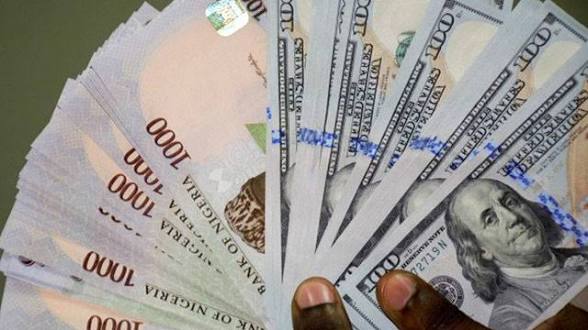
Nigeria’s external sector has entered a delicate but strategic phase, as fresh data from the Central Bank of Nigeria reveals that the country’s gross foreign exchange reserves have declined to $48.6 billion. This marks a $1.38 billion reduction within a short five week window, down from approximately $49.98 billion recorded earlier in March.
At first glance, such a sharp decline may trigger concerns about economic instability or pressure on the Naira. However, a deeper and more technical analysis reveals a more nuanced reality. Rather than signaling a crisis, this drawdown reflects a calculated deployment of reserves to maintain macroeconomic balance, support currency stability, and meet critical international obligations.
To fully understand what is happening, it is essential to break down the structural forces behind this movement and what it means for Nigeria’s financial outlook in 2026.
Sustained CBN Intervention in the Foreign Exchange Market
One of the most significant contributors to the decline in reserves is the continued intervention by the Central Bank of Nigeria in the Nigerian foreign exchange market.
Get TikTok SEO Cheat here
Under the leadership of Olayemi Cardoso, the apex bank has adopted a more disciplined and market reflective FX policy. However, this does not mean the bank has completely stepped away from active participation. Instead, it now intervenes more strategically, stepping in only when volatility threatens market stability.
Why Intervention Is Still Necessary
Even in a more liberalized FX system, Nigeria still faces structural imbalances between dollar demand and supply. Key demand drivers include:
- Import dependent industries that require foreign currency for raw materials
- Aviation and fuel related payments
- Tuition fees and medical expenses paid abroad
- Portfolio investors exiting local markets
When demand significantly outweighs supply, the Naira comes under pressure. To prevent excessive depreciation or panic driven swings, the CBN injects dollars into the system.
How This Impacts Reserves
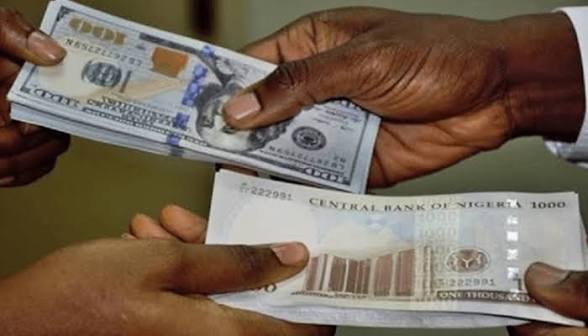
Each intervention involves selling dollars from the country’s external reserves to authorized dealers and commercial banks. These funds are then distributed across the economy.
This means:
- The more the CBN intervenes, the more reserves are drawn down
- The intervention acts as a stabilizer but comes at a cost
- It helps maintain confidence in the FX market
The Bigger Picture
Analysts estimate that a sizable portion of the recent $1.38 billion decline can be attributed to these targeted interventions. In essence, Nigeria is using its reserves as a defensive tool to protect the Naira from excessive volatility.
Read More On: Financial Systems Under Siege: NDPC Issues Alert on Rising Cyberattacks
Rising External Debt Service Obligations
Another major factor behind the decline is Nigeria’s growing external debt servicing commitments.
Nigeria has accumulated a mix of bilateral, multilateral, and commercial debt over the years. These obligations require regular repayments in foreign currency, which directly impacts the reserve balance.
Understanding the Debt Structure
Nigeria’s external debt portfolio includes:
- Eurobonds issued in international capital markets
- Loans from institutions like the World Bank
- Facilities from the International Monetary Fund
- Bilateral loans from countries such as China
Why April Is a Heavy Month
Certain periods of the year come with concentrated repayment schedules. April is known to be one of those months when:
- Large interest payments are due
- Principal repayments are executed
- Coupon obligations on Eurobonds are settled
Direct Impact on FX Reserves
Unlike domestic debt, which can be serviced in Naira, external obligations must be paid in dollars or other foreign currencies.
This means:
- Funds are withdrawn directly from reserves
- There is no immediate replacement unless inflows match outflows
- The pressure is more visible in the first half of the year
Diaspora Remittances vs Debt Pressure
While diaspora remittances remain strong and are projected to reach record levels in 2026, they are often insufficient to fully offset the scale of debt servicing obligations during peak repayment periods.
Global Uncertainty and Foreign Capital Outflows
Nigeria’s reserves are also influenced by global financial conditions, particularly investor sentiment.
During periods of geopolitical tension or economic uncertainty, global investors tend to shift toward safer assets. This phenomenon is often referred to as a “risk off” environment.
What Is Driving the Risk Off Sentiment
Recent geopolitical tensions, especially in energy sensitive regions, have created uncertainty in global markets. Investors react by:
- Moving funds into US Dollar assets
- Increasing holdings in gold and treasury securities
- Reducing exposure to emerging markets
Impact on Nigeria
As an emerging market, Nigeria is particularly vulnerable to capital flight during such periods.
Foreign Portfolio Investors who hold Nigerian assets such as bonds and equities may:
- Sell their holdings
- Convert Naira proceeds into dollars
- Exit the market entirely
How This Affects Reserves
When investors demand dollars to exit:
- The CBN must supply those dollars
- The reserves are used to meet this demand
- The outflow contributes to reserve depletion
This dynamic creates a feedback loop where global uncertainty translates into domestic reserve pressure.
Read More On: ICPC Convicts Woman for Forging NAFDAC Employment to Secure UK Visa
Import Cover and Reserve Strength Perspective
Despite the recent decline, it is important to assess Nigeria’s reserves within a broader macroeconomic context.
Current Position
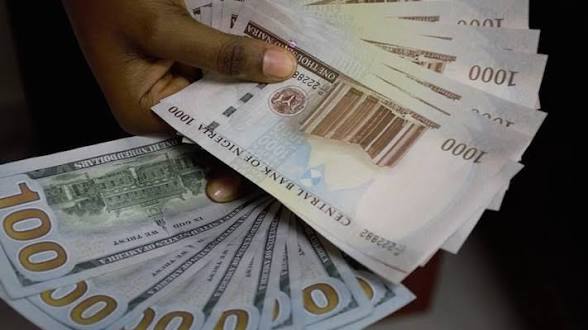
At $48.6 billion, Nigeria’s reserves remain relatively strong compared to historical levels.
For perspective:
- Early 2024 levels were closer to $33 billion
- Current reserves represent a significant improvement
- The buffer remains substantial
Import Cover Explained
Import cover measures how many months a country can sustain imports using its reserves.
Nigeria currently maintains approximately:
- 9.2 months of import cover
This is well above the global benchmark of 3 months, which is considered the minimum safe threshold.
Why This Matters
A strong import cover indicates:
- Ability to withstand external shocks
- Capacity to fund essential imports
- Stability in the face of currency pressure
In practical terms, it means Nigeria still has a solid financial cushion despite the recent decline.
Can Reserves Recover in 2026
There are several key developments that could reverse the current trend and push reserves higher in the coming months.
1. Expansion of Dangote Refinery
As the refinery approaches full operational capacity:
- Nigeria’s reliance on imported fuel will drop
- Demand for foreign exchange will reduce
- Savings will accumulate within the reserves
2. Improved Oil Production
If Nigeria successfully:
- Meets its OPEC production quota
- Reduces crude oil theft
- Enhances pipeline security
Then:
- Oil export revenues will increase
- More dollars will flow into the reserves
3. Eurobond Issuance
The Federal Government is considering another Eurobond offering.
This could:
- Inject billions of dollars into reserves
- Strengthen external buffers
- Improve investor confidence
Final Analysis
The decline in Nigeria’s FX reserves to $48.6 billion is not a sign of economic distress but rather a reflection of active economic management.
The country is currently:
- Defending its currency
- Meeting international obligations
- Navigating global financial uncertainty
At the same time, the fundamentals remain relatively strong, with adequate reserve buffers and clear pathways for recovery.
In a complex global environment, the ability to strategically deploy reserves while maintaining stability is, in itself, a sign of economic resilience.
Read More On: NAFDAC Flags Dangerous Fake Colgate: What Consumers Need to Know