

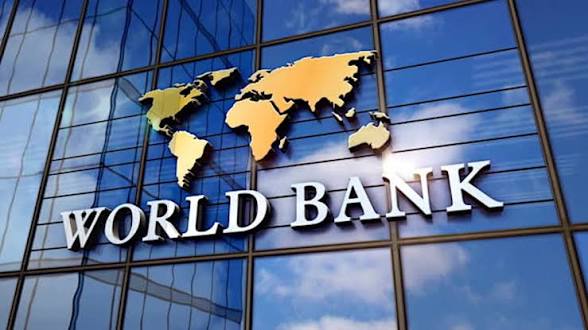
Nigeria’s economic story in 2025 presents a troubling contradiction. On one hand, inflation has shown signs of easing and macroeconomic reforms are beginning to stabilize key indicators. On the other hand, poverty has surged dramatically, with new data linked to the World Bank indicating that as much as 63 percent of Nigerians are now living in poverty.
This development highlights a widening disconnect between economic reforms at the top level and the lived realities of millions of citizens across the country.
Understanding the 63 Percent Poverty Rate in Nigeria
The reported 63 percent poverty rate reflects a combination of monetary and multidimensional poverty indicators. While earlier national data showed about 40.1 percent poverty based on income levels, broader measures that account for access to healthcare, education, and living standards push the figure significantly higher.
According to recent estimates, about 139 million Nigerians are now classified as poor, representing one of the largest populations living in poverty globally.
Get TikTok SEO Cheat here
This sharp rise has occurred despite economic reforms aimed at stabilizing the economy, raising concerns about whether growth is truly inclusive.
Why Poverty Is Rising Despite Inflation Slowing Down
At first glance, a slowdown in inflation should bring relief to households. However, the situation in Nigeria is far more complex. Inflation may be easing statistically, but the cost of living remains extremely high for most citizens.
Several key factors explain this paradox.
High food prices remain a major driver of hardship. Food inflation continues to hit low income households the hardest since they spend a large portion of their income on basic consumption.
Real incomes have not kept up with price increases. Even where inflation is slowing, wages and earnings have not increased enough to restore purchasing power.
Economic reforms have short term pain. Policies such as fuel subsidy removal and currency devaluation have improved fiscal stability but have also increased transportation and energy costs, pushing more people into poverty.
Structural inequality continues to widen. Economic gains are not evenly distributed, leaving rural populations and informal workers more vulnerable.
The Role of Economic Reforms Under President Bola Tinubu
Since 2023, the administration of Bola Tinubu has implemented sweeping reforms aimed at correcting long standing distortions in Nigeria’s economy.
These reforms include the removal of fuel subsidies, exchange rate unification, and fiscal adjustments designed to improve government revenue and reduce deficits.
While these policies have produced measurable macroeconomic gains such as improved reserves and reduced fiscal deficits, their immediate impact on citizens has been harsh.
The removal of fuel subsidies, in particular, has significantly increased the cost of transportation, goods, and services, triggering a ripple effect across the economy.
Read More On:
- Nigerian Army Confirms Terrorist Attack on Operation Hadin Kai Base in
- Borno Dangote Group Targets $40 Billion Investment to Boost Fertilizer and Oil Output
How Many Nigerians Are Affected
The scale of the crisis is staggering.
An estimated 139 million Nigerians are living below the poverty line in 2025.
Poverty levels have risen sharply from about 81 million people in 2019 to current levels, showing a rapid deterioration in living conditions over a short period.
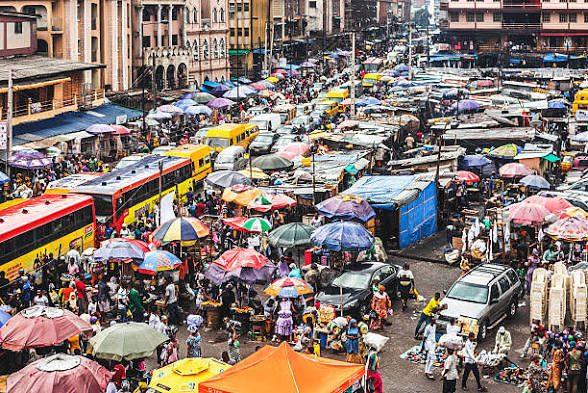
Rural areas remain the hardest hit, but urban poverty is also rising due to declining purchasing power and job insecurity.
Key Drivers Behind Nigeria’s Rising Poverty Levels
Several underlying issues continue to push poverty higher in Nigeria.
Food inflation remains persistently high and affects nearly every household.
Unemployment and underemployment limit income opportunities for millions of young Nigerians.
Weak social protection systems mean that vulnerable populations receive little or no support during economic shocks.
Exchange rate volatility increases the cost of imported goods and essential commodities.
Population growth continues to outpace economic growth, putting pressure on resources and services.
World Bank’s Recommendations for Reducing Poverty
The World Bank has outlined several critical steps Nigeria must take to reverse the trend.
Reducing inflation, especially food inflation, is essential to restoring purchasing power.
Improving public spending efficiency will ensure that government resources are used effectively.
Expanding social safety nets can provide immediate relief to vulnerable households.
Investing in human capital such as education, healthcare, and child development will drive long term growth.
The organization emphasizes that without targeted interventions, economic growth alone will not be enough to lift millions out of poverty.
Read More On:
- FG Launches New Commodity Exchange Board to Tackle Food Security.
- Telecom Sabotage Peaks: 656 Generators and Batteries Stolen Across Nigeria.
The Human Impact Behind the Numbers
Beyond statistics, the rising poverty rate reflects real struggles faced by everyday Nigerians.
Families are finding it increasingly difficult to afford basic necessities such as food, housing, and healthcare.
Small businesses are struggling with rising operating costs.
Young people entering the labor market face limited opportunities and uncertain futures.
These realities highlight the urgency of translating economic reforms into tangible improvements in living standards.
What Lies Ahead for Nigeria’s Economy
Despite current challenges, there are cautious signs of optimism.
Economic growth is expected to improve in the coming years, with projections suggesting stronger performance if reforms are sustained.
However, experts warn that growth must be inclusive and people centered. Without addressing inequality and strengthening social support systems, poverty levels may continue to rise even as the economy expands.
The key challenge for Nigeria is not just achieving growth, but ensuring that growth benefits all segments of society.
Conclusion
Nigeria’s poverty rate reaching 63 percent in 2025 is a stark reminder that macroeconomic stability does not automatically translate into improved living conditions.
While inflation may be slowing and reforms are beginning to take effect, millions of Nigerians remain trapped in poverty due to high living costs, weak income growth, and limited social protection.
The path forward requires a balanced approach that combines economic discipline with strong social policies. Only then can Nigeria bridge the gap between economic progress and human development.