

A Defining Moment for Nigeria’s Financial Future
The Nigerian capital market is entering a transformative phase as conversations around digital assets shift from uncertainty to structured integration. What was once viewed as a disruptive force operating outside traditional finance is now being carefully considered as a legitimate component of the financial ecosystem.
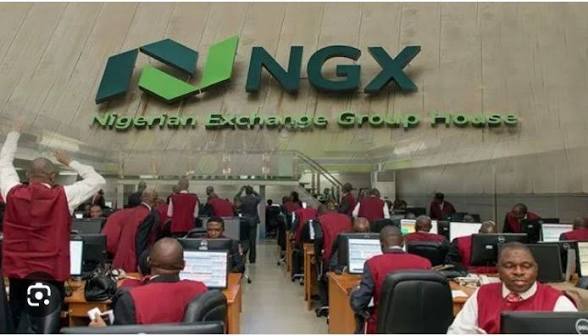
At the center of this transition is Nigerian Exchange Group, whose leadership is now actively shaping how blockchain technology and cryptocurrencies will coexist with regulated markets.
In a significant address, the Chairman of NGX Group, Ahonsi Unuigbe, called for a balanced and forward looking regulatory framework that supports innovation while safeguarding investors. His position reflects a broader shift in Nigeria’s financial strategy as the country aims to maintain its leadership role in Africa’s evolving digital economy.
From Skepticism to Structured Adoption
For years, Nigeria’s relationship with digital assets has been marked by tension. Regulatory uncertainty, banking restrictions, and concerns over fraud created a fragmented environment where innovation thrived but without clear oversight.
Get TikTok SEO Cheat here
Today, that narrative is changing.
Nigeria has consistently ranked among the top countries globally in cryptocurrency adoption. Millions of young Nigerians rely on digital assets for remittances, savings protection, and cross border transactions. This widespread usage has made it impossible for regulators to ignore the sector.
Instead of resisting the movement, institutions are now asking a more important question: how can digital assets be integrated responsibly into the formal financial system?
This is the context in which NGX is stepping forward as a bridge between traditional finance and blockchain based innovation.
Why “Balanced Regulation” Has Become Critical
According to Unuigbe, regulation must strike a careful balance between two competing priorities that define the digital asset space.
1. Supporting Innovation and Economic Growth
Nigeria’s technology ecosystem is one of the most dynamic in Africa. Blockchain developers, fintech startups, and digital entrepreneurs are already building solutions that address real world problems.
These include:
- Faster and cheaper cross border payments
- Tokenization of physical assets such as real estate and commodities
- Decentralized finance platforms that expand financial inclusion
If regulations become too restrictive, these innovations may be forced to relocate to more flexible jurisdictions. This would result in a loss of talent, investment, and economic opportunity for Nigeria.
Balanced policies, on the other hand, can:
- Encourage startups to operate locally
- Attract foreign venture capital
- Position Nigeria as a continental leader in blockchain technology
2. Protecting Investors and Ensuring Market Stability
While innovation is essential, the risks associated with digital assets cannot be ignored.
The market is highly volatile, and without proper safeguards, investors can suffer significant losses. There is also the ongoing issue of fraudulent schemes that exploit regulatory gaps.
Unuigbe emphasized that a strong regulatory framework should:
- Enforce transparency in trading platforms
- Require proper disclosures from digital asset providers
- Prevent systemic risks from spilling into traditional financial markets
The goal is not to suppress the industry but to create a safe and trustworthy environment where both institutional and retail investors can participate confidently.
Read More On: ICPC Convicts Woman for Forging NAFDAC Employment to Secure UK Visa

The SEC Capital Requirement Debate
A major highlight of the discussion is the regulatory stance of Securities and Exchange Commission Nigeria, which now requires digital asset exchanges to maintain a minimum capital base of N2 Billion.
Understanding the Intent Behind the Policy
This requirement is designed to:
- Ensure that only financially stable operators enter the market
- Reduce the likelihood of platform failures
- Build investor confidence through stronger institutional backing
In theory, this creates a more secure ecosystem where participants can trust the infrastructure supporting their investments.
The Challenge for Startups and Emerging Players
Despite its benefits, the policy presents significant challenges for smaller companies.
Many innovative startups do not have immediate access to such large capital reserves. As a result, they risk being excluded from the market before they have the opportunity to grow.
Unuigbe proposed a more flexible approach through a tiered licensing system, which could include:
- Entry level licenses for startups operating under supervision
- Mid level licenses with moderate capital requirements
- Full licenses for large scale exchanges handling high transaction volumes
This model allows innovation to flourish while still maintaining regulatory oversight.
NGX’s Vision for Digital Asset Integration
The Nigerian Exchange is not positioning itself as a passive observer. Instead, it is actively exploring ways to integrate digital assets into its existing framework.
1. Digital Asset Exchange Traded Funds
One of the most promising developments is the potential introduction of digital asset based Exchange Traded Funds.
These instruments would allow investors to gain exposure to cryptocurrencies without directly owning them. This reduces risk while maintaining access to market opportunities.
Benefits include:
- Simplified investment process
- Reduced exposure to hacking and custody risks
- Greater participation from institutional investors
2. Tokenization of Real World Assets
Another groundbreaking initiative is the tokenization of physical assets.
This involves converting ownership rights into digital tokens that can be traded on a blockchain platform.
Examples include:
- Real estate properties
- Agricultural commodities
- Infrastructure projects
Tokenization offers several advantages:
- Increased liquidity for traditionally illiquid assets
- Fractional ownership opportunities for smaller investors
- Enhanced transparency through blockchain records
3. Expanding Cross Border Investment Opportunities
Clear regulations can significantly improve Nigeria’s attractiveness to foreign investors.
Many global institutions have been hesitant to enter the Nigerian digital asset space due to uncertainty. A well defined framework can change this perception by providing clarity and legal protection.
This could lead to:
- Increased foreign direct investment
- Greater market liquidity
- Stronger integration with global financial systems
Read More On: Financial Systems Under Siege: NDPC Issues Alert on Rising Cyberattacks

The Role of Coordinated Regulation
Nigeria is adopting a collaborative approach to digital asset oversight through bodies like the Virtual Asset Regulatory Council.
This structure brings together key institutions including:
- Central Bank of Nigeria
- Tax authorities and financial regulators
- Market oversight bodies
Key Objectives of This Model
- Establish clear registration systems for all operators
- Monitor transaction flows and ensure transparency
- Enforce tax compliance on digital asset gains
The introduction of taxation on crypto profits reflects the government’s intention to formalize the sector as part of the broader economy.
What This Means for Everyday Investors
For the average Nigerian, these developments signal a major shift in how digital assets will be accessed and managed.
Increased Security
Regulated platforms will reduce the risk of scams and fraudulent schemes.
Improved Accessibility
Investors may soon be able to trade digital assets through traditional brokerage accounts.
Greater Confidence
Clear rules create a more predictable environment, encouraging more people to participate in the market.
Why This Moment Matters for Nigeria’s Future
Nigeria’s digital economy is expanding rapidly, and digital assets are becoming a central component of that growth.
By embracing a balanced regulatory approach, the country can:
- Strengthen its position as Africa’s financial hub
- Support innovation while protecting consumers
- Build a resilient and inclusive financial system
This is not just a regulatory adjustment. It is a strategic shift that could define the next decade of economic development.
The message from NGX leadership is clear. The era of conflict between traditional finance and digital assets is ending. What lies ahead is a period of integration, collaboration, and structured growth.
If executed correctly, this framework will not only protect investors but also unlock new opportunities for wealth creation, technological advancement, and global competitiveness.
Nigeria is no longer asking whether digital assets belong in its financial system. The focus is now on building the right foundation to make them work effectively.
Read More On: NAFDAC Flags Dangerous Fake Colgate: What Consumers Need to Know