


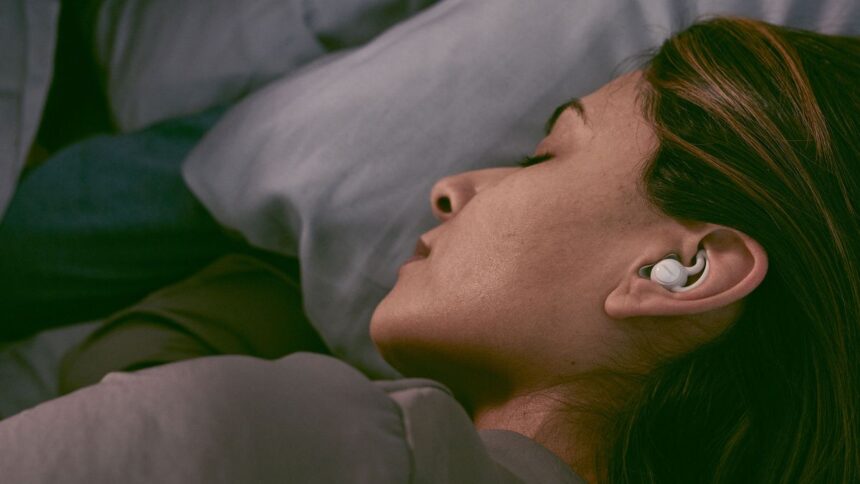
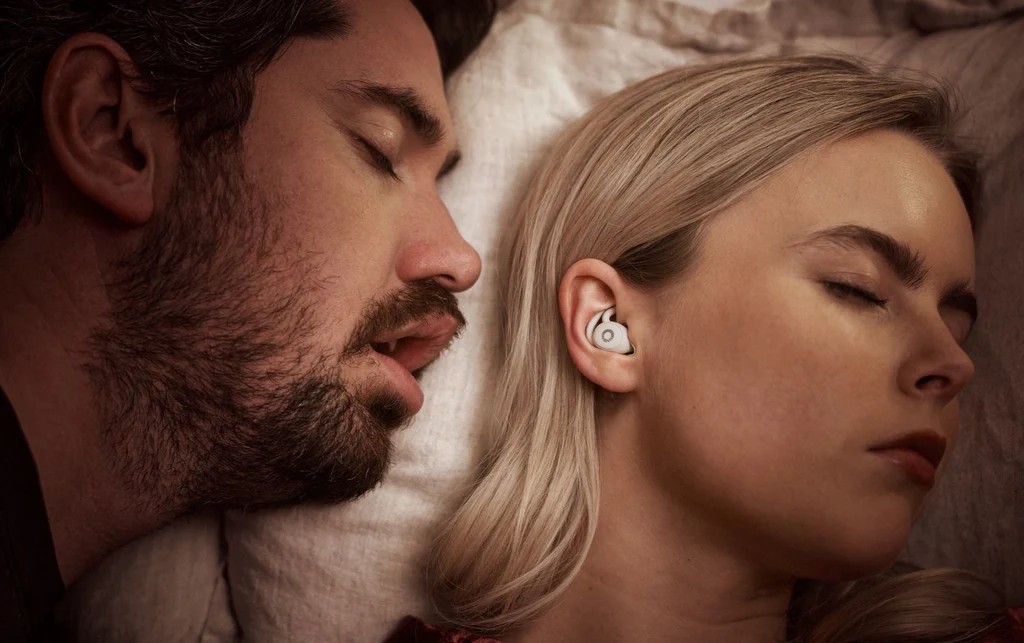
Sleep is no longer a luxury. It is a biological necessity that affects every part of human performance, emotional balance, concentration, recovery, and long term wellness. Yet millions of people struggle every night because the modern world has become painfully loud. Traffic echoes through apartment windows. Neighbors stay active late into the night. Generators hum endlessly. Dogs bark unexpectedly. Ceiling fans rattle. A snoring partner turns bedtime into a battle against frustration.
For many people, the greatest enemy of rest is not stress alone. It is sound.
The human brain is naturally designed to remain alert to sudden noise, even during deep sleep. This protective survival mechanism means that a single door slam, loud motorcycle, or burst of conversation can instantly pull the brain out of restorative sleep cycles. Over time, repeated interruptions may contribute to fatigue, poor concentration, irritability, headaches, reduced productivity, and weakened overall wellbeing.
Traditional foam earplugs helped for years, but they were limited. They often felt uncomfortable, blocked too much important sound, irritated the ears, or simply failed to deal with changing noise environments. Modern sleep audio technology has changed that experience completely.
Get TikTok SEO Cheat here
Today’s sleep earbuds are engineered specifically for overnight comfort, intelligent sound management, side sleeping, and long duration wear. Some use Active Noise Cancellation to reduce environmental rumble. Others rely on advanced sound masking systems that gently cover disruptive noise with calming frequencies. The best options combine intelligent software, ergonomic design, sleep tracking, adaptive audio, and personalized comfort into one seamless nighttime experience.
However, choosing the right earbuds for sleep is not as simple as buying the most expensive model. What works perfectly for a frequent traveler may fail completely for a side sleeper. Someone dealing with a snoring partner may require adaptive masking technology rather than traditional ANC. Another person may prioritize comfort over silence. Understanding these differences is the key to finding a solution that genuinely improves sleep quality.
This guide is designed to help you make the right decision confidently and intelligently. Instead of merely reviewing products, this article explains how sleep earbuds actually work, how to choose the correct type for your sleeping style, how to use them safely, and how to create an ideal nighttime environment that supports deeper and more restorative rest.
Whether your goal is escaping city noise, surviving a noisy roommate, reducing travel fatigue, or finally sleeping peacefully beside a snoring partner, this detailed guide will walk you through everything you need to know.
Why Noise Disrupts Sleep More Than Most People Realize
Many people underestimate how sensitive the brain becomes during sleep. Even after you fall asleep, your auditory system continues monitoring the environment constantly. This means your body may react to sound even if you do not fully wake up.
Repeated nighttime noise can cause:
| Sleep Disruption | Possible Effect |
|---|---|
| Interrupted sleep cycles | Morning fatigue |
| Frequent micro awakenings | Reduced concentration |
| Sudden loud sounds | Elevated stress hormones |
| Inconsistent rest | Mood instability |
| Poor REM sleep | Reduced memory performance |
| Continuous environmental noise | Mental exhaustion |
Noise becomes even more problematic when it is unpredictable. The brain adapts more easily to consistent sounds such as rainfall or fan noise. Sudden changes, however, instantly trigger alertness.
This is why intelligent sleep earbuds focus heavily on consistency, masking, and comfort.
Understanding the Difference Between ANC and Noise Masking
Before buying sleep earbuds, you must understand one extremely important concept.
Not all “noise canceling” technology works the same way.
Many people assume every premium earbud uses the exact same system. That is incorrect.
There are two primary technologies used in sleep audio:
| Technology | How It Works | Best For |
| Active Noise Cancellation | Creates anti sound waves to reduce external noise | Airplanes, engines, air conditioners |
| Noise Masking | Plays calming sounds that cover disruptive noises | Snoring, barking, sudden sounds |
How Active Noise Cancellation Actually Works
Active Noise Cancellation, often called ANC, uses tiny microphones to detect environmental noise. The earbuds instantly generate opposing sound waves designed to neutralize incoming noise before it reaches your ears.
This technology works especially well for:
- Airplane engine rumble
- Generator hum
- Air conditioning noise
- Traffic drones
- Continuous low frequency sounds
ANC is excellent for travelers, commuters, and people living in busy urban areas.
However, ANC struggles more with unpredictable sounds such as:
- Snoring
- Sudden shouting
- Barking dogs
- Doors slamming
- Random conversations
This is where noise masking becomes valuable.
How Noise Masking Creates Better Sleep Environments
Noise masking does not attempt to eliminate sound entirely.
Instead, it introduces carefully engineered audio that blends over disruptive noise and makes it psychologically less noticeable.
Examples include:
- White noise
- Pink noise
- Brown noise
- Ocean waves
- Rainfall
- Wind ambience
- Forest atmospheres
The brain gradually focuses on the consistent masking sound instead of reacting to sudden disturbances.
For deep sleep, many specialists believe masking often performs better than aggressive cancellation because the brain prefers stable audio environments.
How to Choose the Right Earbuds for Your Sleeping Style
One of the biggest mistakes buyers make is choosing earbuds without considering sleeping posture.
Comfort during sleep matters more than raw audio quality.
For Side Sleepers
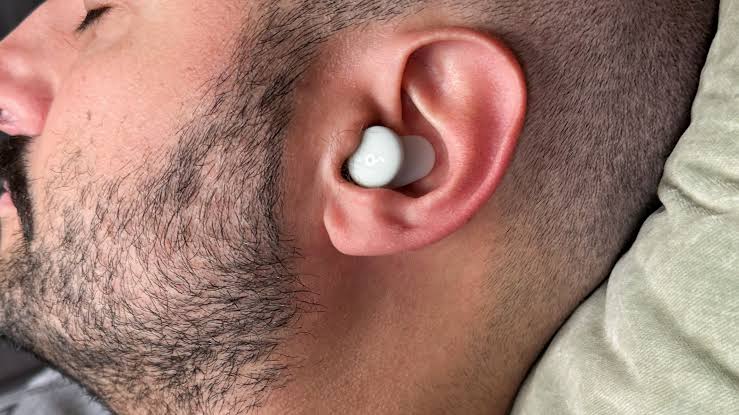
Side sleepers need extremely low profile earbuds that sit flush inside the ear.
Any protrusion can create pressure against the pillow, leading to:
- Ear soreness
- Jaw discomfort
- Interrupted sleep
- Headaches
- Ear canal irritation
Important Features for Side Sleepers
| Feature | Why It Matters |
|---|---|
| Flush fit | Prevents pillow pressure |
| Soft silicone tips | Reduces irritation |
| Lightweight design | Improves overnight comfort |
| Stable fit | Prevents falling out during movement |
For side sleepers, compact sleep buds are usually better than large ANC earbuds.
For Back Sleepers
Back sleepers have more flexibility because ear pressure is minimal.
This allows them to use:
- Larger ANC earbuds
- Full feature premium earbuds
- Immersive audio systems
- Stronger noise cancellation models
Back sleepers often benefit most from powerful ANC technology.
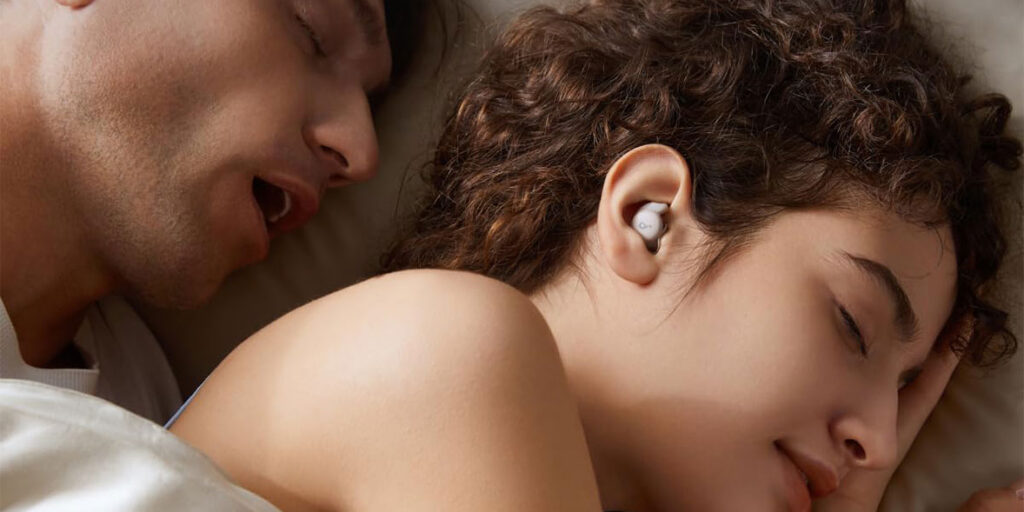
For People With Snoring Partners
This category requires a very specific solution.
Snoring is irregular and unpredictable. Standard ANC alone may not solve the problem effectively.
Look for earbuds with:
- Adaptive masking
- Smart sound adjustment
- Personalized noise profiles
- Snore detection systems
The goal is not total silence.
The goal is preventing sudden sound spikes from waking the brain.
How to Properly Use Sleep Earbuds for Maximum Results
Even the best earbuds can fail if used incorrectly.
Many people buy expensive sleep technology but never optimize their environment or settings properly.
Here is how to get the best results.
Step 1: Select the Correct Ear Tips
This is extremely important.
Improper ear tip sizing leads to:
- Poor noise isolation
- Ear pain
- Loose fit
- Reduced sound quality
- Falling earbuds during sleep
Your earbuds should feel:
- Secure
- Gentle
- Stable
- Non painful
Never force oversized ear tips into the ear canal.
Step 2: Keep Volume Low
Many users mistakenly increase masking volume excessively.
This is dangerous.
Safe overnight listening should remain below moderate listening levels.
A good rule is this:
If the audio feels “loud,” it is already too high for overnight use.
The purpose is comfort, not entertainment.
Step 3: Use Consistent Sleep Sounds
The brain responds positively to consistency.
Choose one or two sleep sounds and use them regularly.
Examples:
| Sound Type | Best Use |
|---|---|
| Brown noise | Deep bass heavy masking |
| White noise | High frequency coverage |
| Rain ambience | Relaxation |
| Ocean waves | Stress reduction |
| Wind sounds | Gentle environmental masking |
Avoid constantly changing sounds throughout the night.
Step 4: Test Emergency Awareness
You should still remain capable of hearing important emergency sounds.
Examples include:
- Smoke alarms
- Baby monitors
- Security alarms
- Emergency calls
Many modern earbuds include transparency features for this reason.
Always test this before sleeping deeply with earbuds.
Best Types of Sleep Earbuds for Different Needs
Instead of focusing purely on brands, it is smarter to understand which category suits your lifestyle.
Dedicated Sleep Buds
These are purpose built specifically for sleep.
Best Features
- Ultra compact
- Flush fit
- Comfortable for side sleeping
- Long overnight battery life
- Specialized masking sounds
Best For
- Side sleepers
- Light sleepers
- Snoring environments
- Overnight comfort
Hybrid Lifestyle Earbuds
These combine entertainment and sleep functionality.
Best Features
- Music streaming
- Podcasts
- Sleep tracking
- Noise masking
- Daily use flexibility
Best For
- Multi purpose users
- Students
- Travelers
- Casual listeners
Premium ANC Earbuds
These prioritize maximum environmental silence.
Best Features
- Powerful ANC
- High audio quality
- Travel performance
- Immersive sound
Best For
- Frequent flyers
- Urban residents
- Office naps
- Back sleepers
Important Safety and Hygiene Practices
Using earbuds overnight requires responsible maintenance.
Ignoring hygiene can lead to discomfort and infection.
Clean Earbuds Regularly
Earbuds collect:
- Earwax
- Sweat
- Moisture
- Dust
- Skin oils
Weekly cleaning is essential.
Safe Cleaning Routine
| Step | Action |
|---|---|
| 1 | Remove ear tips |
| 2 | Wipe gently with alcohol free cloth |
| 3 | Dry completely |
| 4 | Clean charging contacts carefully |
| 5 | Reattach tips securely |
Never soak earbuds in water.
Give Your Ears Recovery Time
Some people wear earbuds every single night without breaks.
This may irritate the ear canal over time.
Occasionally allow your ears natural ventilation.
Watch for Irritation Signs
Stop overnight use temporarily if you experience:
- Pain
- Swelling
- Itching
- Redness
- Pressure soreness
Comfort should always remain the priority.
How to Build the Perfect Sleep Environment Alongside Earbuds
Sleep earbuds work best when combined with healthy sleep habits.
Technology alone cannot fix poor sleep hygiene completely.
Reduce Light Exposure
Use:
- Blackout curtains
- Warm bedside lighting
- Reduced screen brightness
- Night mode settings
Light and sound together strongly affect sleep quality.
Maintain Cool Room Temperature
Cooler rooms generally support deeper sleep.
Warm environments often increase restlessness.
Create a Consistent Sleep Routine
Try sleeping and waking at consistent times.
The brain responds positively to rhythm and repetition.
Stretch Before Bed
Light stretching helps relax muscles and reduce physical tension before sleep.
This works especially well alongside calming masking audio.
For readers interested in improving physical comfort before bedtime, linking internally to your article on back pain stretches creates excellent topical relevance for sleep wellness.
Common Mistakes People Make When Buying Sleep Earbuds
| Mistake | Why It Causes Problems |
|---|---|
| Choosing bulky earbuds | Causes discomfort for side sleepers |
| Using maximum volume | Leads to hearing fatigue |
| Ignoring ear tip sizing | Reduces effectiveness |
| Expecting total silence | Unrealistic expectation |
| Buying based only on brand | Fit matters more |
| Neglecting hygiene | Increases irritation risk |
Who Should Consider Sleep Earbuds Most
Sleep earbuds may be especially helpful for:
- Apartment residents
- Students in shared housing
- Frequent travelers
- Shift workers
- Light sleepers
- Couples dealing with snoring
- Urban residents
- Hotel travelers
They are particularly effective when environmental control is limited.
Final Thoughts
Finding restful sleep in a noisy environment can feel impossible, but modern sleep audio technology has made remarkable progress in helping people reclaim peaceful nights.
The most important thing to remember is this:
The best sleep earbuds are not necessarily the loudest, most expensive, or most technologically advanced. The best option is the one that matches your sleeping position, comfort preferences, noise environment, and nightly habits.
For some people, gentle noise masking creates the perfect cocoon of calm. For others, powerful Active Noise Cancellation offers desperately needed silence during travel or city living. Comfort, consistency, and safe listening habits ultimately matter far more than marketing language.
When chosen carefully and used correctly, sleep earbuds can dramatically improve relaxation, reduce nighttime stress, minimize environmental disruption, and support deeper, healthier rest.
A peaceful night’s sleep is one of the most valuable investments you can make in your health, focus, productivity, and emotional wellbeing. The right technology simply helps remove the noise standing in the way.
Read More On: