


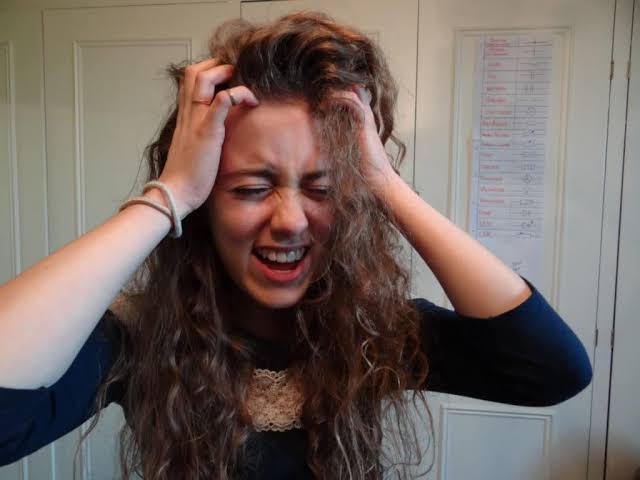
A panic attack can feel terrifying.
Your heart suddenly starts racing. Your chest tightens. Your breathing becomes shallow and fast. Your thoughts spiral into fear. In some moments, it may even feel as though something catastrophic is about to happen.
For many people, panic attacks arrive without warning. One minute you are answering emails, sitting in traffic, studying for an exam, scrolling through your phone, or preparing for a presentation. The next minute, your body feels like it has entered survival mode.
What makes panic attacks especially frightening is how physical they feel.
Get TikTok SEO Cheat here
The symptoms are so intense that many people mistake them for severe medical emergencies. Some fear they are having a heart attack. Others believe they are losing control of their mind, fainting, or even dying.
But here is the crucial truth:
A panic attack is not your body failing.
It is your nervous system becoming overwhelmed and activating a false alarm.
Your brain is designed to protect you from danger. When it senses a threat, real or perceived, it releases stress hormones such as adrenaline and cortisol. These chemicals prepare your body for survival by increasing heart rate, sharpening awareness, tightening muscles, and speeding up breathing.
This process is known as the Fight or Flight Response.
The problem is that during a panic attack, this survival system activates even when there is no actual physical danger present.
Your body reacts as though you are being chased or attacked, even if you are simply sitting in your room or walking through a store.
The good news is that panic attacks are manageable.
Even more importantly, they can often be interrupted before they fully escalate.
The secret is early intervention.
The earlier you recognize the warning signs and apply calming techniques, the easier it becomes to stop the panic cycle before it reaches maximum intensity.
This guide is designed to help you do exactly that.
Inside this detailed walkthrough, you will learn:
| What You Will Learn | Why It Matters |
|---|---|
| Early warning signs of panic | Helps you intervene before symptoms intensify |
| Breathing techniques | Slows the nervous system rapidly |
| Grounding exercises | Pulls your brain away from fear spirals |
| Physical calming methods | Releases stored tension and adrenaline |
| Mental reframing strategies | Stops catastrophic thinking |
| Emergency calming checklist | Gives immediate steps during intense anxiety |
This is not just theory.
This is a practical how to guide built around evidence based techniques that help your body and brain return to safety mode.
Whether you are a student dealing with overwhelming pressure, a professional navigating high stress environments, a creator battling burnout, or someone experiencing anxiety unexpectedly, these strategies can help you regain control when panic tries to take over.
Understanding the Early Signs of a Panic Attack
One of the biggest mistakes people make is waiting until the panic becomes overwhelming before trying to calm down.
By that point, adrenaline has already flooded the body.
Learning to identify the early warning signs allows you to interrupt the process much sooner.
Common Early Symptoms
| Physical Signs | Emotional Signs | Mental Signs |
|---|---|---|
| Tight chest | Sudden fear | Racing thoughts |
| Fast heartbeat | Feeling unsafe | Catastrophic thinking |
| Sweaty palms | Restlessness | Feeling detached |
| Shaking | Irritability | Hyper awareness |
| Dizziness | Uneasiness | Fear of losing control |
Sometimes the signs are subtle.
You may suddenly feel overstimulated in a crowded environment. You may notice your breathing becoming shallow. Your body may feel tense without explanation.
These small signals matter.
They are your opportunity to intervene early.
1. Use Controlled Breathing to Slow the Nervous System
Breathing is one of the fastest ways to influence the body during anxiety.
When panic begins, breathing often becomes rapid and shallow. This reduces carbon dioxide levels in the blood, which can create dizziness, chest tightness, tingling sensations, and feelings of unreality.
Controlled breathing reverses this process.
More importantly, it tells your nervous system that danger has passed.
The 4 7 8 Breathing Technique
This technique is especially powerful because it forces the body into a slower rhythm.
How to Do It
| Step | Action |
|---|---|
| Step 1 | Inhale through your nose for 4 seconds |
| Step 2 | Hold your breath for 7 seconds |
| Step 3 | Exhale slowly through your mouth for 8 seconds |
| Step 4 | Repeat at least 4 times |
The most important part is the exhale.
A long slow exhale activates the Vagus Nerve, which helps calm the nervous system and reduce heart rate.
As your breathing slows, your brain begins receiving signals that you are safe.
Box Breathing for Rapid Stabilization
If the 4 7 8 method feels difficult during intense anxiety, try box breathing instead.
How It Works
| Phase | Duration |
|---|---|
| Inhale | 4 seconds |
| Hold | 4 seconds |
| Exhale | 4 seconds |
| Hold | 4 seconds |
This creates a predictable rhythm that helps stabilize your body and thoughts.
Many athletes, emergency responders, and military professionals use this technique to maintain calm under pressure.
2. Ground Yourself Using the 5 4 3 2 1 Technique
Panic attacks trap your attention inside fear.
Grounding techniques interrupt this cycle by forcing your brain to reconnect with the present environment.
The 5 4 3 2 1 method is one of the most effective grounding exercises because it activates multiple senses at once.
How to Practice the 5 4 3 2 1 Method
5 Things You Can See
Look around carefully.
Notice tiny details you would normally ignore.
Examples include:
- The texture of a wall
- A shadow on the floor
- The stitching on your clothes
- The color of an object nearby
This shifts your attention away from internal panic.
4 Things You Can Touch
Physically engage with your surroundings.
You might:
- Press your hands together
- Feel the surface of a chair
- Touch your phone case
- Rub fabric between your fingers
Physical sensation helps anchor you in reality.
3 Things You Can Hear
Listen intentionally.
Focus on:
- Birds outside
- A fan spinning
- Distant voices
- Air conditioning sounds
- Your own breathing
This helps redirect your brain away from catastrophic thoughts.
2 Things You Can Smell
Smell can instantly influence emotional states.
Use:
- Essential oils
- Perfume
- Coffee
- Soap
- Fresh air
Strong scents often help interrupt panic spirals quickly.
1 Thing You Can Taste
This final step brings full awareness back into the body.
Try:
- A mint
- Gum
- Cold water
- Tea
Even noticing the natural taste in your mouth can help ground you.
3. Use Cold Temperature to Interrupt Escalation
When anxiety feels too intense, cold exposure can rapidly calm the nervous system.
This works because sudden cold activates the Mammalian Dive Reflex, a biological response that slows heart rate and conserves energy.
How to Use Cold Therapy During Panic
| Method | Effect |
|---|---|
| Splash cold water on face | Slows physiological arousal |
| Hold an ice cube | Redirects sensory focus |
| Place cold towel on neck | Reduces tension |
| Drink cold water slowly | Encourages slower breathing |
The shock of cold sensation acts like a reset button for the nervous system.
Many people experience noticeable relief within minutes.
4. Stop Catastrophic Thinking Through Cognitive Labeling
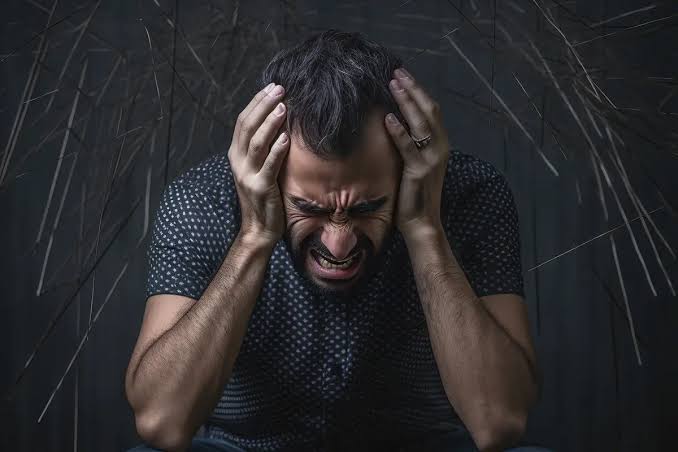
Fear often grows because the brain misinterprets physical symptoms.
A racing heart becomes:
“I am dying.”
Dizziness becomes:
“I am losing control.”
Cognitive labeling helps break this cycle.
The Name It to Tame It Method
Instead of fighting the panic, calmly identify it.
Say:
“This is a panic attack.”
“My nervous system is overstimulated.”
“This feeling is temporary.”
“I am safe even if I feel uncomfortable.”
This process shifts activity away from the emotional centers of the brain and toward logical processing.
In simple terms, you stop treating the panic as a mystery and start recognizing it as a manageable biological event.
That alone reduces fear intensity.
5. Release Physical Tension Through Progressive Muscle Relaxation
Panic causes the body to tighten unconsciously.
Shoulders tense.
Jaw clenches.
Hands stiffen.
Muscles prepare for danger.
The problem is that physical tension sends more danger signals back to the brain, keeping anxiety active.
Progressive Muscle Relaxation breaks this loop.
How to Practice Progressive Muscle Relaxation
Step by Step Process
| Body Area | Action |
|---|---|
| Toes | Curl tightly for 5 seconds then release |
| Calves | Tighten muscles then relax |
| Thighs | Squeeze and release |
| Stomach | Contract gently then soften |
| Hands | Make fists then unclench |
| Shoulders | Raise upward then drop |
| Jaw | Tighten briefly then loosen |
As muscles relax, the nervous system receives signals that survival mode is no longer necessary.
6. Reconnect With Reality Through Movement
Remaining frozen during panic can intensify symptoms.
Gentle movement helps your body process excess adrenaline.
You do not need intense exercise.
Small physical actions are enough.
Helpful Movements During Anxiety
| Activity | Benefit |
|---|---|
| Walking slowly | Releases nervous energy |
| Stretching | Reduces muscle tension |
| Rolling shoulders | Encourages relaxation |
| Shaking hands gently | Releases physical stress |
| Standing outside | Changes sensory environment |
Movement reminds your brain that you are not trapped.
7. Learn the Difference Between Panic and a Heart Attack
One of the strongest fuels for panic is fear of death.
Understanding the differences between panic symptoms and cardiac symptoms can help reduce catastrophic thinking.
Key Differences
| Panic Attack | Heart Attack |
|---|---|
| Sharp chest pain | Heavy pressure sensation |
| Symptoms peak quickly | Symptoms often worsen gradually |
| Tingling and dizziness common | Pain may spread to arm or jaw |
| Symptoms improve with calming | Symptoms persist regardless |
| Often linked to anxiety | Often linked to physical exertion |
However, never ignore severe or unfamiliar symptoms.
If you genuinely suspect a medical emergency, seek professional medical attention immediately.
8. Build a Personal Emergency Calm Routine
Preparation matters.
When panic begins, thinking clearly becomes difficult.
Having a pre planned calming routine makes intervention easier.
Sample Emergency Calm Checklist
| Step | Action |
|---|---|
| 1 | Slow your breathing |
| 2 | Relax your jaw and shoulders |
| 3 | Touch something cold |
| 4 | Ground yourself using senses |
| 5 | Repeat calming statements |
| 6 | Walk slowly if possible |
| 7 | Remind yourself the feeling will pass |
Keep this routine on your phone if necessary.
During panic, simplicity helps.
9. Reduce Future Panic Through Lifestyle Habits
Stopping panic in the moment is important.
But long term prevention also matters.
Your nervous system becomes more resilient when your body receives consistent care.
Habits That Help Reduce Anxiety Frequency
| Habit | Why It Helps |
|---|---|
| Consistent sleep | Stabilizes emotional regulation |
| Hydration | Supports nervous system balance |
| Reduced caffeine | Lowers overstimulation |
| Regular exercise | Burns excess stress hormones |
| Deep breathing practice | Trains relaxation response |
| Mindfulness | Improves emotional awareness |
Small daily habits create powerful long term effects.

10. When to Seek Professional Help
Panic attacks become more manageable with support.
Consider speaking with a mental health professional if:
- Panic attacks happen frequently
- Anxiety disrupts daily life
- You avoid places due to fear
- Symptoms feel increasingly overwhelming
- Self help techniques are no longer enough
Professional therapy can help identify triggers, retrain thought patterns, and strengthen coping strategies.
There is strength in seeking support.
You Can Interrupt the Panic Cycle
A panic attack may feel powerful, but it is not permanent.
Your body is responding to a false alarm, not a true catastrophe.
The key is learning how to respond early, calmly, and strategically.
- Every slow breath.
- Every grounding exercise.
- Every calming statement.
- Every moment of self awareness.
All of these actions teach your nervous system that safety is possible again.
Over time, the fear of panic itself begins to lose its grip.
You stop seeing anxiety as an unstoppable force and start understanding it as a temporary physiological response that can be managed with the right tools.
And that shift changes everything.
Quick Recap Table
| Technique | Main Benefit |
|---|---|
| Controlled breathing | Slows heart rate |
| Grounding exercises | Reconnects with present reality |
| Cold exposure | Interrupts panic escalation |
| Cognitive labeling | Reduces fear of symptoms |
| Muscle relaxation | Releases physical tension |
| Gentle movement | Burns excess adrenaline |
| Lifestyle habits | Builds long term resilience |
Read More On: