


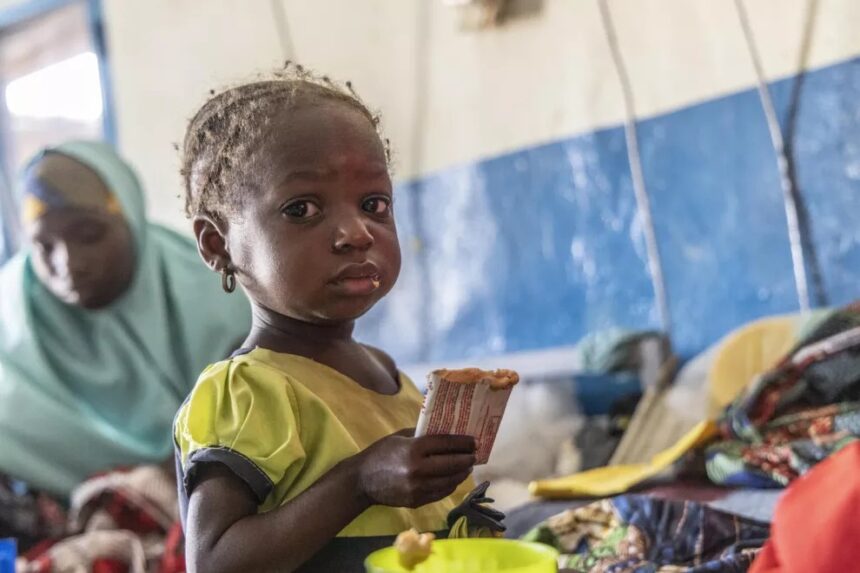
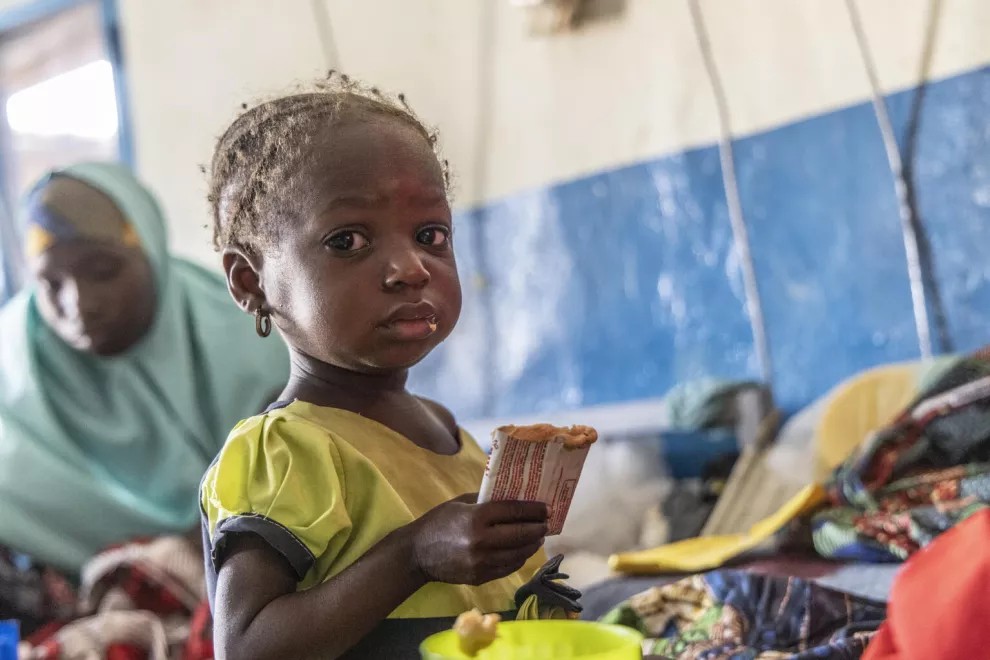
Across several communities in Northern Nigeria, a silent emergency is unfolding inside overcrowded hospitals, under equipped clinics, displacement camps, and rural settlements where thousands of families are struggling to survive. Children with visibly weakened bodies are being rushed into emergency feeding centers. Mothers travel long distances carrying infants whose tiny arms reveal the devastating effects of prolonged hunger. Medical workers are being forced to make difficult decisions daily as treatment spaces become overwhelmed.
The humanitarian organization Médecins Sans Frontières, widely known as Doctors Without Borders, has now issued one of its strongest warnings yet concerning the rapidly deteriorating nutrition crisis in Nigeria. According to the organization, the country is approaching a dangerous tipping point where rising hunger, disease outbreaks, poverty, insecurity, and shrinking humanitarian funding are converging into a full scale public health catastrophe.
What makes this crisis particularly disturbing is the fact that it is no longer limited to isolated communities or temporary hardship zones. The emergency is spreading across entire regions, affecting infants, pregnant women, displaced families, and low income households that can no longer afford basic meals. Hospitals are recording alarming increases in cases of Severe Acute Malnutrition, commonly referred to as SAM, which remains one of the deadliest forms of childhood hunger.
Health experts warn that malnutrition does not simply mean lack of food. It weakens the immune system, slows physical development, damages brain growth, and leaves children dangerously vulnerable to diseases such as malaria, measles, diphtheria, and meningitis. In many treatment centers, doctors are now witnessing children arriving with multiple life threatening conditions at the same time.
Get TikTok SEO Cheat here
For many Nigerians, the crisis reflects a painful combination of economic hardship and humanitarian neglect. Food inflation continues to push nutritious meals beyond the reach of ordinary families. Farmers in conflict affected regions face insecurity that prevents cultivation and disrupts local markets. Communities already weakened by poverty are now battling the effects of climate instability, repeated displacement, and collapsing healthcare support systems.
MSF officials insist that the situation can no longer be treated as a routine humanitarian challenge. They argue that Nigeria is confronting an emergency capable of shaping the future of an entire generation if urgent action is not taken immediately.
This report examines the alarming figures released by MSF, the dangerous connection between hunger and disease outbreaks, the economic and environmental forces worsening the crisis, and the urgent calls for intervention before millions more children are pushed toward irreversible suffering.
MSF Warns That Nigeria’s Nutrition Crisis Has Reached Breaking Point
In a detailed briefing delivered in Abuja, representatives of Médecins Sans Frontières described the current situation as one of the most severe nutrition emergencies the organization has witnessed in the country.
According to MSF officials, treatment centers across Northern Nigeria are recording unprecedented patient numbers, with healthcare workers struggling to keep pace with the growing demand for emergency nutritional support.
The organization explained that stabilization centers designed for critically malnourished children are increasingly operating beyond safe capacity levels. Medical teams are now facing situations where several children require urgent intervention simultaneously, placing enormous pressure on available staff, medications, feeding supplies, and hospital infrastructure.
Humanitarian workers say the emotional burden on parents has also become overwhelming. Many mothers arrive at treatment centers after exhausting every possible survival option within their communities. Some families reportedly survive on a single meal daily, while others depend entirely on irregular humanitarian assistance.
MSF officials stressed that the crisis is not merely a health issue but a reflection of broader structural failures involving food security, healthcare access, poverty reduction, and conflict management.
The Disturbing Numbers Behind the Emergency
The data released by MSF reveals the frightening scale of the crisis currently unfolding across Nigeria.
The organization disclosed that hundreds of thousands of children have already received treatment for malnutrition within MSF supported facilities. A very large percentage of those cases involved Severe Acute Malnutrition, the most dangerous stage of nutritional deficiency.
Children suffering from SAM often experience extreme weight loss, severe weakness, swollen limbs, persistent infections, and dangerously weakened immune systems. Without rapid intervention through therapeutic feeding and medical care, many cases can become fatal.
Nigeria Malnutrition Emergency Statistics
| Key Indicator | Current Situation | Humanitarian Impact |
|---|---|---|
| Total Children Treated | More than 444,000 | Highest patient burden recorded by MSF |
| Severe Acute Malnutrition Cases | Over 350,000 | Indicates worsening hunger conditions |
| Increase in Severe Cases | About 20 Percent Rise | Reflects rapid deterioration |
| Stabilization Center Admissions | Significant Increase | Hospitals facing overcrowding |
| Main Affected Regions | Northwest and Northeast | Communities heavily impacted |
| Most Vulnerable Group | Children under five | Highest mortality risk |
Medical experts explain that the increase in stabilization center admissions is particularly concerning because it means more children are arriving in critical condition rather than in early manageable stages.
This development places additional pressure on already fragile healthcare systems that lack sufficient beds, laboratory equipment, refrigeration systems, medications, and trained personnel.
The Dangerous Relationship Between Hunger and Disease
One of the strongest warnings issued by MSF concerns the deadly interaction between malnutrition and infectious diseases.
Healthcare professionals explain that hunger weakens the body’s natural defense mechanisms, making children highly vulnerable to infections that healthier individuals might survive more easily.
In Northern Nigeria, malaria remains one of the most dangerous contributors to child mortality among malnourished patients.
Doctors say the relationship between malaria and malnutrition creates a devastating cycle.
A malnourished child possesses a weakened immune system that struggles to resist malaria infections. Once infected, malaria often causes fever, vomiting, appetite loss, dehydration, and diarrhea. These complications further reduce the child’s nutritional condition, pushing them deeper into severe hunger.
The cycle becomes even more dangerous when diseases such as measles, diphtheria, and meningitis are added to the situation.
How Disease Intensifies Malnutrition
| Disease | Effect on Malnourished Children |
|---|---|
| Malaria | Weakens appetite and causes severe body stress |
| Measles | Damages immunity and increases dehydration |
| Diphtheria | Creates breathing complications and weakness |
| Meningitis | Raises risk of neurological damage and death |
| Diarrheal Illnesses | Causes rapid nutrient loss |
Medical workers say many children now arrive with multiple illnesses at once, making treatment far more difficult and expensive.
Some humanitarian staff describe scenes where several critically ill children share limited treatment space while exhausted healthcare workers attempt to stabilize patients around the clock.
Why The Crisis Continues To Worsen
Experts believe the worsening emergency is driven by several interconnected factors that continue to intensify living conditions across vulnerable communities.
Rising Food Prices and Economic Pressure
Food inflation has become one of the strongest drivers of hunger in Nigeria.
Basic food items that were once affordable to low income families have become increasingly expensive. For households already struggling with unemployment or reduced income, maintaining balanced nutrition has become nearly impossible.
Many families are now forced to prioritize quantity over nutritional quality. Meals rich in protein, vitamins, and essential nutrients are gradually disappearing from the diets of vulnerable households.
Children are often the first victims of these compromises.
Healthcare workers report that some parents dilute meals simply to ensure every family member eats something, even if the nutritional value becomes dangerously low.
Conflict and Community Displacement
Insecurity across several northern states continues to disrupt agricultural activities and destroy local economies.
Communities affected by violence often experience repeated displacement, forcing families to abandon farms, livestock, and food reserves.
Farmers who cannot safely access their land are unable to cultivate crops during planting seasons. Market routes also become disrupted, reducing food supply and increasing prices within already fragile communities.
States such as Katsina, Sokoto, and Zamfara continue to experience severe humanitarian pressure linked to insecurity and displacement.
Humanitarian organizations warn that prolonged instability creates conditions where malnutrition becomes deeply entrenched rather than temporary.
Climate Disasters and Failed Harvests
Environmental instability has further complicated survival conditions across many agricultural communities.
Flooding has destroyed farmlands in some areas while drought conditions have devastated crops in others. These repeated climate shocks reduce harvest yields and weaken local food systems.
Experts say the traditional lean season has become increasingly prolonged and severe, leaving vulnerable families exposed to months of food shortages before new harvests arrive.
For poor households with limited savings, each failed harvest pushes them closer to hunger emergencies.
The Humanitarian Funding Crisis
Beyond the visible suffering inside hospitals and communities lies another growing concern that humanitarian organizations describe as deeply alarming.
Funding shortages are threatening the continuity of emergency nutrition programs.
MSF warned that reductions in global humanitarian support could severely impact access to Ready to Use Therapeutic Food, commonly called RUTF. This life saving peanut based therapeutic paste is essential for treating children suffering from Severe Acute Malnutrition.
Without sufficient RUTF supplies, stabilization centers would lose one of their most effective treatment tools.
Humanitarian groups fear that international attention shifting toward other global conflicts may reduce donor commitment to Nigeria’s emergency response.
Critical Challenges Facing Humanitarian Operations
| Challenge | Impact on Response Efforts |
|---|---|
| Reduced International Funding | Limits emergency feeding programs |
| Shortage of Therapeutic Food | Threatens child survival rates |
| Overcrowded Hospitals | Increases treatment delays |
| Weak Infrastructure | Slows medical response |
| Limited Healthcare Personnel | Creates exhaustion among staff |
MSF officials insist that funding cuts at this stage could have devastating consequences for millions of vulnerable children.
MSF Calls For National Emergency Action
The organization has urged Nigerian authorities and international partners to treat the nutrition crisis as an urgent national emergency requiring coordinated intervention across multiple sectors.
MSF emphasized that emergency feeding alone cannot solve the crisis permanently.
According to humanitarian experts, long term solutions must include stronger healthcare infrastructure, improved agricultural stability, expanded vaccination programs, poverty reduction initiatives, and increased food accessibility.
The organization is also promoting community based prevention strategies involving affordable locally sourced nutrition solutions.
One example frequently highlighted is the nutrient rich mixture known as “Tom Brown,” which combines grains, legumes, and other locally available ingredients to improve child nutrition within vulnerable households.
Healthcare advocates argue that prevention remains far more effective and less costly than emergency hospitalization after severe malnutrition develops.
Communities Struggling To Cope
Across affected regions, many families are already adapting to extreme hardship conditions.
Parents describe skipping meals so children can eat. Others rely heavily on humanitarian distributions that often remain insufficient to meet growing demand.
In some communities, healthcare centers are located several hours away from rural settlements, forcing families to travel long distances before receiving medical attention.
Humanitarian workers warn that delayed treatment significantly increases mortality risks among malnourished children.
For many mothers, reaching an MSF treatment center can mean the difference between life and death for their child.
Nigeria’s Malnutrition Emergency At A Glance
| Category | Current Situation |
|---|---|
| Most Affected Population | Children under five years |
| Major Contributing Factors | Poverty, insecurity, inflation, climate shocks |
| Key Disease Threats | Malaria, measles, meningitis |
| Emergency Need | Therapeutic feeding support |
| Humanitarian Concern | Funding shortages |
| Priority Response | Multi sector national intervention |
Growing Fears For The Future
Humanitarian organizations fear that without immediate intervention, the crisis could evolve into an even larger generational disaster.
Experts warn that prolonged childhood malnutrition affects not only survival but also long term brain development, educational performance, and economic productivity later in life.
A severely malnourished generation could create long lasting social and economic consequences extending far beyond the current emergency.
MSF insists that the window for decisive intervention is narrowing rapidly.
Conclusion
The warning issued by Médecins Sans Frontières represents far more than another humanitarian update. It is a direct alarm about the deteriorating living conditions confronting millions of vulnerable Nigerians.
Behind every statistic is a child struggling to survive, a mother searching desperately for treatment, and healthcare workers battling impossible conditions with limited resources.
The growing combination of hunger, disease outbreaks, conflict, climate instability, and funding shortages has created a crisis that can no longer be ignored or treated as temporary.
Humanitarian organizations continue to call for stronger collaboration between government institutions, international donors, healthcare agencies, and local communities to prevent further tragedy.
For Nigeria, the challenge now extends beyond emergency response. It is about protecting an entire generation from the irreversible consequences of prolonged hunger and healthcare collapse.
The question facing authorities and the global community is no longer whether the crisis exists.
The real question is whether action will come quickly enough to save the millions of lives now hanging in the balance.
Read More On: