



Nigeria’s oil sector is currently experiencing a striking contradiction that is drawing attention from industry analysts, policymakers, and global investors. While the country has recorded a strong surge in crude oil exports in early 2026, its most ambitious industrial project, the Dangote Petroleum Refinery, is struggling to access enough crude to sustain operations.
This situation highlights a growing tension between Nigeria’s urgent need for foreign exchange and its long term ambition to achieve energy independence through local refining.
Massive Export Volumes Signal Revenue Drive
Data released by the Central Bank of Nigeria and the Nigerian Upstream Petroleum Regulatory Commission confirms that Nigeria exported approximately 55.39 million barrels of crude oil within the first two months of 2026.
A closer look at the figures shows the scale of this export push:
Get TikTok SEO Cheat here
- January recorded exports of 31.31 million barrels
- February followed with 24.08 million barrels
Combined, these figures underline a deliberate strategy to maximize revenue from crude oil sales at a time when global oil prices remain elevated.
Nigeria’s daily crude production has hovered around 1.5 million barrels per day, with a significant portion directed toward international markets. This export driven approach is largely influenced by prevailing global oil prices, which have remained high due to geopolitical tensions and supply uncertainties in other oil producing regions.
For the government, exporting crude offers immediate financial benefits. Payments are received in foreign currency, which helps strengthen external reserves and supports efforts to stabilize the national economy.
Dangote Refinery Struggles to Secure Crude Supply
While export figures paint a positive picture on the surface, the situation is far more complex when viewed from a domestic industrial perspective.
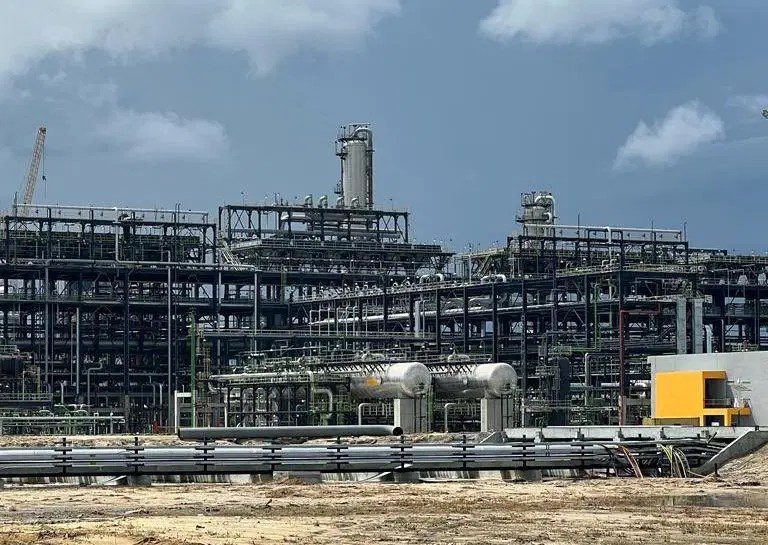
The Dangote Petroleum Refinery, located in Lekki, is designed to process 650,000 barrels of crude oil per day, making it the largest single train refinery in the world. At full capacity, it is expected to significantly reduce Nigeria’s reliance on imported petroleum products.
However, current supply levels tell a different story.
Supply Requirements vs Actual Allocation
- Required monthly crude supply: about 19.77 million barrels
- Actual monthly supply received: between 4.5 million and 5.6 million barrels
This indicates that the refinery is receiving barely a quarter of the crude it needs to function optimally.
Operational Implications
Due to this shortage:
- The refinery cannot run at full capacity
- Production output remains below expectations
- Cost efficiency is reduced
To keep operations running, the refinery has resorted to importing crude oil from international suppliers. While this ensures continuity, it introduces additional costs and logistical challenges.
Underlying Causes of the Supply Imbalance
Industry experts point to several structural and financial factors contributing to the current situation.
1. Forward Sold Crude Commitments
A portion of Nigeria’s crude production has already been committed through past financing arrangements. In such cases, crude oil is used as collateral for loans, meaning that future production is tied to debt repayment obligations.
This limits the volume of crude available for domestic use, even when production levels appear sufficient.
2. Market Driven Export Preference
Oil producers often prefer selling to international buyers due to:
- Immediate payment in foreign currency
- Transparent pricing mechanisms
- Reduced transaction complexity
In contrast, domestic supply arrangements may involve:
- Exchange rate uncertainties
- Delayed payment structures
- Regulatory constraints
3. Implementation Gaps in Domestic Supply Policy
Although existing frameworks encourage prioritizing local refineries, enforcement remains inconsistent. This has allowed export activities to take precedence over domestic refining needs.

Impact on Fuel Prices and the Broader Economy
The supply challenges facing the Dangote Refinery are already being felt across Nigeria’s economy.
Petrol Price Stability
With limited domestic refining capacity, Nigeria continues to rely partly on imported refined products. As a result:
- Fuel prices remain elevated
- Price fluctuations persist
Current estimates place petrol prices within the range of ₦1,250 to ₦1,300 per litre, depending on location and supply conditions.
Inflationary Pressure
High fuel costs have a ripple effect across multiple sectors:
- Transportation costs increase
- Food prices rise due to logistics expenses
- Small businesses face higher operational costs
These factors contribute to broader inflationary trends, complicating efforts by the Central Bank of Nigeria to maintain price stability.
NNPC Response and Supply Outlook
The Nigerian National Petroleum Company has acknowledged the concerns surrounding crude allocation and has indicated plans to increase supply to the refinery.
Planned Adjustments
- Supply is expected to rise to seven cargoes in the near term
Remaining Gap
Despite this increase:
- The refinery requires 13 to 15 cargoes monthly to meet domestic fuel demand
This means that while the planned adjustment is a step forward, it does not fully resolve the supply deficit.
Economic Implications for Nigeria’s Future
The current imbalance between crude exports and domestic refining capacity raises important questions about Nigeria’s economic direction.
Foreign Exchange vs Local Value Creation
Exporting crude generates immediate revenue, but refining locally offers:
- Job creation
- Industrial growth
- Reduced dependence on imports
Currency Stability Concerns
The need to import crude for local refining increases demand for foreign currency, which can:
- Put pressure on the Naira
- Offset gains made from crude exports
Investor Confidence
While strong export numbers may attract investors, persistent domestic supply challenges could signal structural inefficiencies that need to be addressed.
Balancing Immediate Gains with Long Term Goals
Nigeria’s export of over 55 million barrels of crude oil within a short period demonstrates its continued relevance in the global energy market. However, the simultaneous struggle of the Dangote Petroleum Refinery to secure adequate crude supply highlights a deeper issue within the sector.
Achieving a balance between export driven revenue and domestic industrial development will be critical in the coming months. Without deliberate policy enforcement and improved allocation strategies, the country risks undermining its own efforts to achieve energy self sufficiency.
For now, Nigeria stands at a crucial point where decisions made today will shape the future of its oil and gas industry, its economy, and the everyday lives of its citizens.
Read More On: