


In a world where security is paramount and digital footprints are expanding, your ability to verify who you are is the ultimate key to accessing global services. Whether you are opening a high-interest savings account in Lagos, applying for a Schengen visa, enrolling for a professional certification, or simply picking up a sensitive delivery, the burden of proof rests squarely on you.
This guide is designed to be a deeply detailed, authoritative resource that breaks down everything you need to confidently establish a Verified Identity anywhere in the world.
Biometric Identity — Who You Are
This involves your physical traits such as fingerprints, facial recognition, and iris scans. These are unique to you and extremely difficult to forge. Systems like NIN and BVN rely heavily on this layer.
Documentary Identity — What You Own
This refers to official records issued by recognized authorities. These documents carry legal weight and serve as formal proof of your existence within a system.
Get TikTok SEO Cheat here
Residential Identity — Where You Live
Institutions need to trace your location. This is critical for compliance, communication, and fraud prevention.
To successfully prove your identity, you must satisfy all three layers, not just one.
Primary Documents
The Foundation of Trust
Primary documents are the most powerful identity tools you possess. They are issued after rigorous verification processes and often include biometric capture, making them extremely reliable.
These documents are non-negotiable for high-level transactions.
International Passport
This is the most universally recognized identity document in the world. It serves two major purposes simultaneously: confirming your identity and validating your nationality.
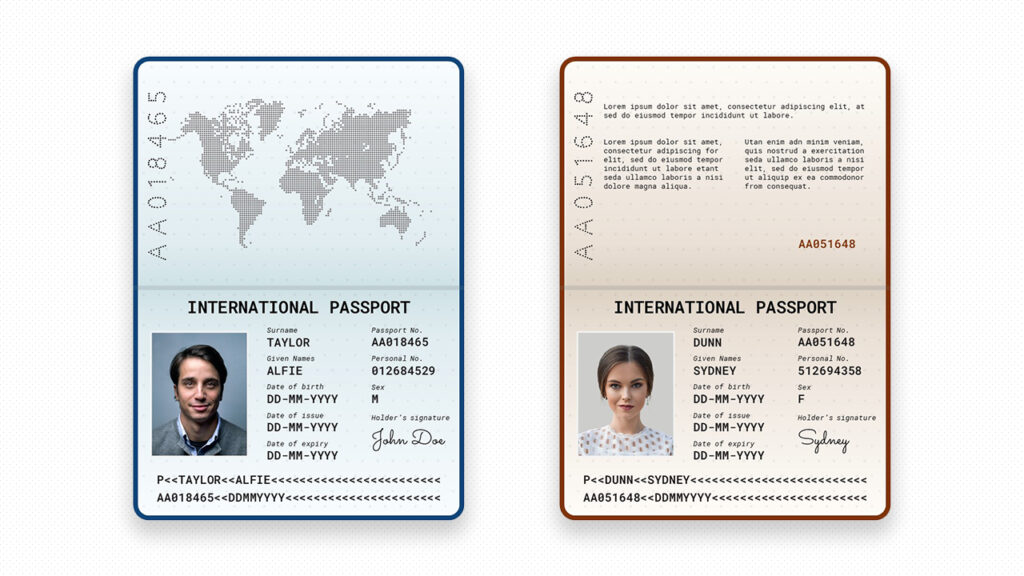
A passport is required for:
- International travel
- Visa applications
- Immigration processing
- Foreign financial transactions
What makes it powerful is its global acceptance. Immigration authorities, embassies, and multinational institutions trust it because it is issued under strict national security protocols.
A valid passport must:
- Contain clear biometric data
- Have a machine-readable zone
- Be within its validity period
Even within your home country, it is often accepted as the highest form of identification.
National Identification Number (NIN)
The NIN is the backbone of identity verification in Nigeria. It is not just a number, it is a centralized identity record tied to your biometric data.
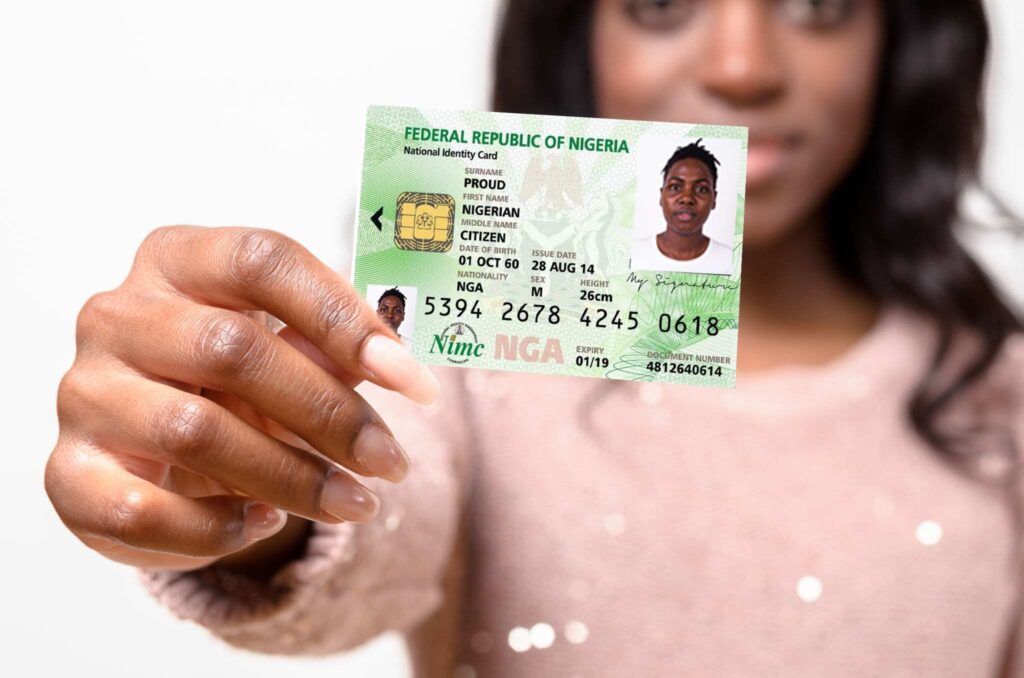
Once registered, your:
- Fingerprints
- Facial image
- Personal details
are stored in a national database.
The importance of NIN cannot be overstated. It is required for:
- SIM card registration
- Opening certain bank accounts
- Government services
- Passport applications
Without it, your access to essential services becomes severely limited.
The introduction of virtual verification systems means you can now confirm your identity digitally without exposing sensitive data.
Driver’s License
While primarily intended to certify driving competence, a driver’s license has evolved into a highly trusted identity document.
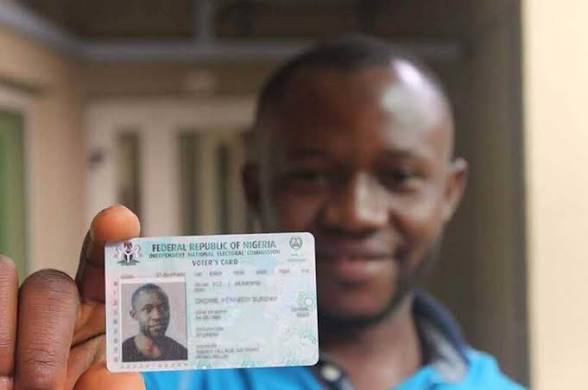
It is widely accepted because:
- It includes a clear photograph
- It undergoes strict verification before issuance
- It contains traceable personal data
It is commonly used for:
- Banking verification
- Domestic travel identification
- Security checks
Its reliability comes from the structured process required to obtain it, making it difficult to falsify.
Permanent Voter’s Card (PVC)
Originally designed for electoral participation, the PVC has become a strong identity document due to its biometric features.
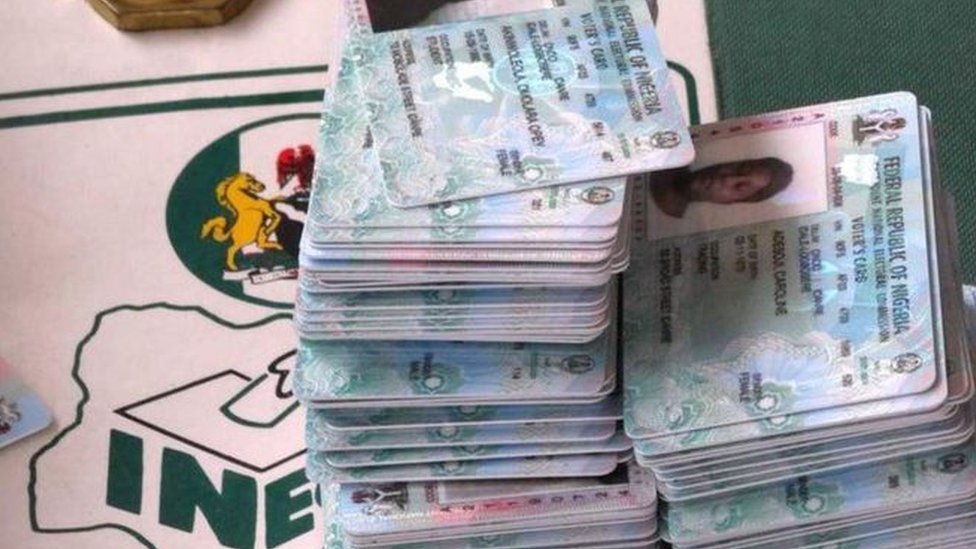
It is valuable because:
- It contains embedded biometric information
- It is issued through a structured registration process
- It is recognized by both public and private institutions
Though not as universally accepted as a passport, it remains a solid supporting primary ID within Nigeria.
Secondary Documents
Building Identity Depth
Secondary documents may not always carry photographs, but they provide context and continuity. They help institutions verify your history, relationships, and legal status.
Think of them as the supporting evidence that strengthens your identity claim.
Birth Certificate
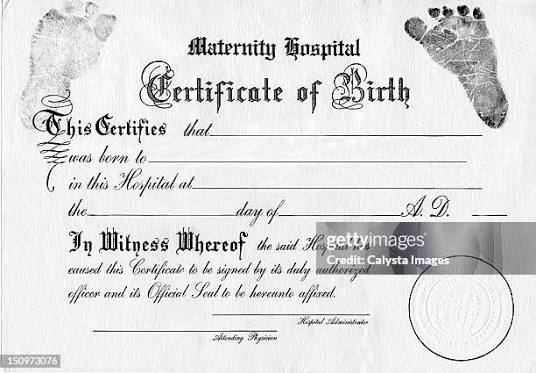
This document establishes your origin. It confirms:
- Your full name at birth
- Your date of birth
- Your place of birth
It is often required for:
- School enrollment
- Job applications
- Passport processing
For individuals without an official birth certificate, a statutory declaration of age serves as a legal alternative, though it may require additional verification.
Marriage Certificate
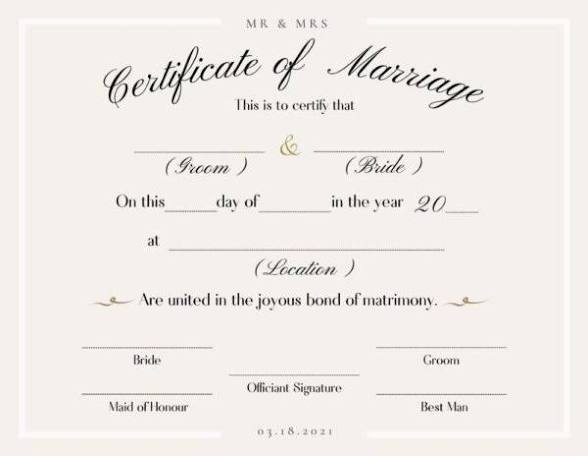
A marriage certificate becomes essential when there is a change in identity, particularly surname changes.
It helps:
- Link previous and current identities
- Validate name discrepancies
- Support legal claims
Without it, mismatched names across documents can cause delays or outright rejection during verification processes.
Certificate of Origin
This document confirms your ancestral ties to a specific locality.
It is commonly required for:
- Government jobs
- Scholarship applications
- Political appointments
It plays a critical role in systems where regional identity matters.
Proof of Address
Establishing Your Location
Knowing who you are is not enough. Institutions must also confirm where you live. This is essential for compliance with financial regulations and anti-fraud measures.
Utility Bills
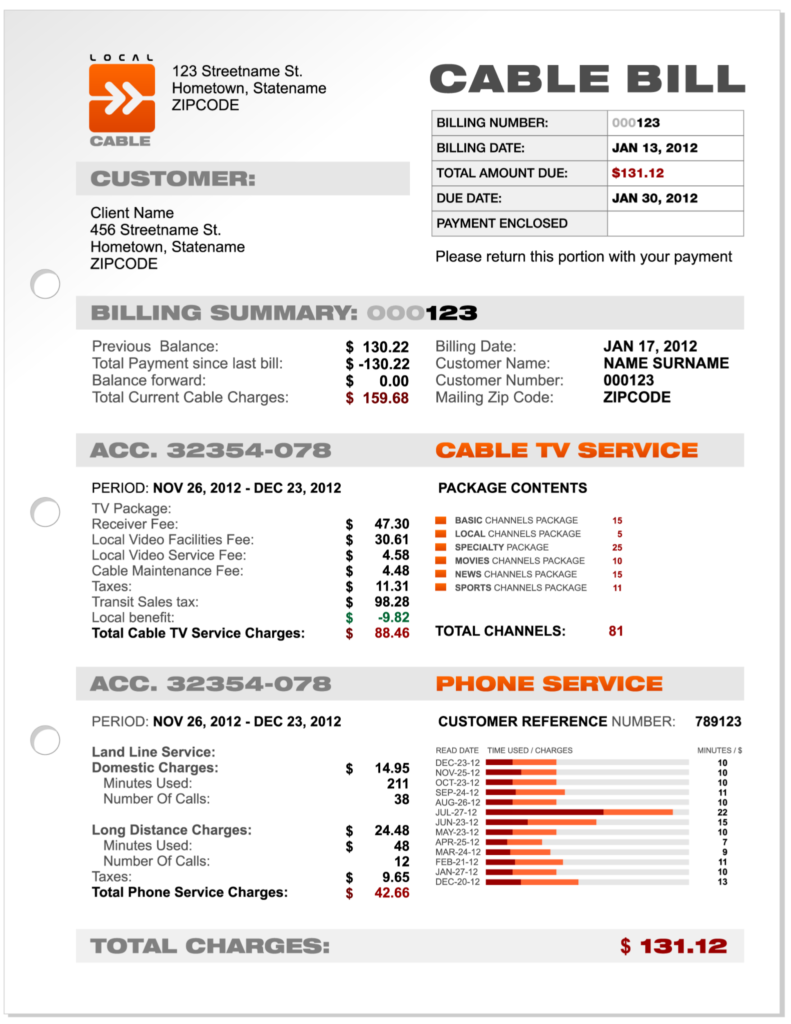
Utility bills are among the most accepted forms of address verification.
They must:
- Be recent
- Clearly display your name
- Show your residential address
Examples include electricity, water, and waste management bills.
They demonstrate that you actively reside at a location and are responsible for its services.
Bank Statements
A bank statement serves dual purposes:
- Financial history
- Address verification
A stamped statement is especially powerful because it:
- Confirms your relationship with a regulated institution
- Validates your address through official records
Tenancy Agreement
For individuals who do not have utility bills in their name, a tenancy agreement becomes critical.
It should:
- Be properly signed
- Include landlord details
- Clearly state the address
A notarized agreement carries even more weight and reduces the risk of rejection.
The Digital Layer
Your Invisible Identity
Modern identity verification extends beyond physical documents. Your digital footprint now plays a significant role.
Bank Verification Number (BVN)
The BVN system links all your bank accounts under a single identity.
It ensures:
- No duplicate identities in banking systems
- Easier fraud detection
- Seamless financial tracking
It is essential for:
- Opening bank accounts
- Conducting large transactions
- Financial compliance checks
Digital Identity Tools
With the rise of mobile verification, digital identity tools have become indispensable.
These include:
- Virtual ID slips
- QR-based verification systems
- Mobile identity apps
They allow you to:
- Verify identity instantly
- Reduce risk of data exposure
- Avoid carrying physical documents
This shift represents the future of identity management.
Specialized Documents for Travel and Relocation
When crossing borders or applying for visas, basic identification is not enough. Authorities require proof of stability and intent.
Employment Letter
This document confirms:
- Your job role
- Your salary
- Your employment duration
It reassures authorities that you have strong ties to your home country.
Tax Clearance Certificate
This proves that you:
- Comply with tax regulations
- Contribute to national revenue
It strengthens your credibility and financial legitimacy.
Essential Documents for Common Situations
Opening a Bank Account
NIN, BVN, proof of address, passport photographs
International Travel
International passport, visa where required, supporting travel documents
Property Transactions
Valid ID, proof of funds, supporting legal documents
Employment Processing
Birth certificate, certificate of origin, educational credentials
Expert Tips for Managing Your Identity Documents
Keep Secure Digital Copies
Scan all documents in high resolution and store them securely in cloud storage. This ensures access even if physical copies are lost.
Maintain Consistency Across Documents
Your name must be identical everywhere. Even minor spelling differences can trigger verification issues and delays.
Monitor Expiry Dates
Expired documents can instantly invalidate your identity claim. Always renew critical documents ahead of time.
Protect Sensitive Information
Avoid sharing raw identity numbers unnecessarily. Use secure verification channels whenever possible.
Identity as a System, Not a Single Proof
Proving your identity is no longer about presenting one document. It is about presenting a coherent, consistent, and verifiable system of identity.
The stronger and more aligned your documents are, the smoother your access to opportunities, whether financial, professional, or global.
Mastering the documents you need to prove your identity is not just preparation, it is empowerment.
Read More On: