


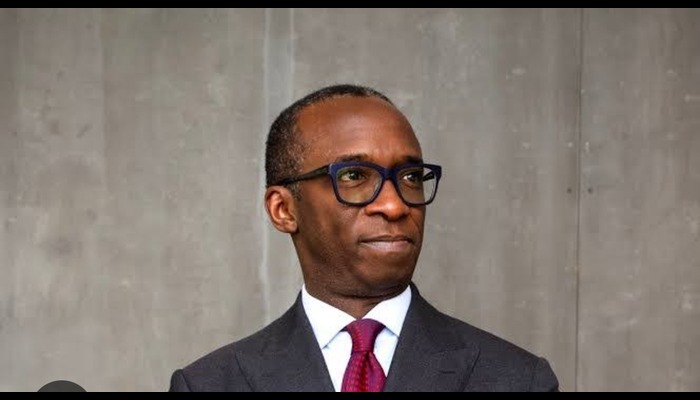
In a development that has drawn widespread commendation across diplomatic and legal circles, the Federal Government has formally expressed deep satisfaction over the election of Professor Olufemi Elias to the United Nations International Law Commission. This achievement is being described within official and expert circles as a defining moment in Nigeria’s continued effort to strengthen its voice in international law, global governance, and multilateral diplomacy.
The election, which took place during a highly competitive session of the United Nations legal body, positions Nigeria once again at the center of global legal rule making conversations. It also reinforces the country’s long standing tradition of producing globally respected jurists and legal scholars who have contributed significantly to the development of international jurisprudence.
For observers of global affairs, this development is not merely a routine appointment. It represents a renewed affirmation of Nigeria’s intellectual capacity, diplomatic resilience, and strategic presence within the institutions that shape the rules governing relations between nations.
High Level Overview Of The Election
The election of Professor Olufemi Elias to the United Nations International Law Commission followed a rigorous and highly competitive selection process involving distinguished candidates from across different regions of the world. The vacancy arose within the commission, prompting member states to present nominees with strong academic, diplomatic, and professional backgrounds in international law.
Get TikTok SEO Cheat here
Nigeria’s successful bid was the result of coordinated diplomatic engagement led by its Permanent Mission to the United Nations. The mission worked through consultations, negotiations, and strategic engagements aimed at building consensus around Elias as the most qualified candidate.
His eventual emergence was widely interpreted as a reflection of confidence in his extensive legal experience, as well as recognition of Nigeria’s growing relevance in global legal discourse.
Profile Of Professor Olufemi Elias
Professor Olufemi Elias is widely regarded as one of the most accomplished international legal scholars of his generation. His career spans several decades of service within global legal institutions, where he has built a reputation for precision, intellectual depth, and administrative excellence.
He received advanced legal education from two of the world’s most prestigious universities, where he distinguished himself academically. Over the years, he has held multiple high ranking positions within the United Nations system, contributing to complex legal frameworks and institutional reforms.
His professional experience includes leadership roles in international judicial administration, arbitration frameworks, and advisory capacities within multilateral institutions. Prior to his election, he also served in a judicial capacity within the International Court of Justice system, further reinforcing his credibility as a jurist of global standing.
Beyond his personal achievements, Professor Elias is also recognized for his family legacy in international law. He is the son of the renowned legal scholar Taslim Olawale Elias, whose contributions to global legal development remain widely acknowledged.
This generational continuity has made his emergence particularly symbolic within legal and diplomatic communities.
Understanding The United Nations International Law Commission
The United Nations International Law Commission serves as one of the most important legal bodies within the international system. Its primary function is to support the progressive development and codification of international law.
In simpler terms, the commission is responsible for shaping the legal frameworks that govern how countries interact with one another. Its work influences global agreements, diplomatic relations, and the resolution of cross border disputes.
Key areas of focus include:
- Development of legal principles governing state responsibility
- Regulation of diplomatic relations between countries
- Legal frameworks addressing maritime conduct and piracy
- Codification of international agreements and treaties
- Advancement of legal standards for emerging global challenges
The commission operates as a foundational body that helps transform customary international practices into formalized legal instruments accepted by states worldwide.
Strategic Significance For Nigeria
The Federal Government has described the election as a major diplomatic milestone with far reaching implications for Nigeria’s international positioning.
First, it strengthens Nigeria’s influence within global legal discussions, allowing the country to contribute directly to the formulation of international legal standards before they are adopted globally.
Second, it enhances Nigeria’s reputation as a producer of high caliber legal professionals capable of operating at the highest levels of global governance.
Third, it represents a boost to the country’s diplomatic standing, particularly in multilateral institutions where competition for representation is intense and highly strategic.
Officials have also highlighted that this development reflects a broader pattern of increasing Nigerian participation in key international roles, signaling a gradual but steady strengthening of the country’s foreign policy execution.
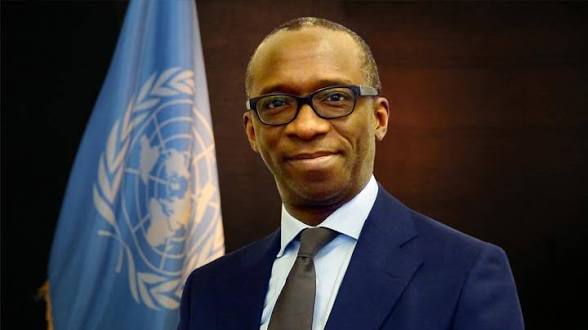
Federal Government Reaction
The Federal Government, through its relevant diplomatic channels, expressed strong approval of the outcome, describing it as a victory not only for Nigeria but also for the African continent.
Government representatives emphasized that Professor Elias brings to the role a wealth of experience in international legal practice, institutional governance, and dispute resolution mechanisms. His expertise is expected to contribute significantly to ongoing global efforts aimed at strengthening legal cooperation among nations.
Officials further noted that his election demonstrates the effectiveness of Nigeria’s diplomatic engagements and its ability to compete successfully in high level international elections.
Professor Olufemi Elias
| Category | Details |
|---|---|
| Current Position | Member, United Nations International Law Commission |
| Previous Role | Senior United Nations Legal Administrator |
| Judicial Experience | Service within International Court of Justice system |
| Academic Background | Advanced legal studies from globally recognized institutions |
| Area of Expertise | International law, institutional governance, legal arbitration |
| Family Legacy | Son of a globally respected international juris |
Implications For Nigerian Law Students And Young Legal Practitioners
This development carries significant inspiration for law students and emerging legal professionals in Nigeria. It demonstrates that global recognition in the field of law is achievable through consistent academic excellence, professional discipline, and international exposure.
It also highlights the importance of specialization in international law, especially in a rapidly globalizing world where legal frameworks increasingly transcend national boundaries.
For young practitioners, this achievement serves as a reminder that Nigerian legal expertise is highly valued on the global stage and can lead to influential roles within international institutions.
From a global standpoint, the inclusion of Professor Elias in the commission enriches the diversity of legal thought within the institution. His experience across multiple international legal platforms is expected to contribute to more balanced and inclusive legal interpretations in future deliberations.
His participation also reinforces the principle that international law benefits from a wide range of cultural, regional, and professional perspectives, ensuring that global legal standards remain fair and representative.
Conclusion
The election of Professor Olufemi Elias to the United Nations International Law Commission stands as a powerful testament to Nigeria’s enduring influence in international legal affairs. It reflects a combination of personal excellence, national diplomatic effort, and global recognition of intellectual capability.
As Nigeria continues to engage with global institutions, this milestone is expected to serve as both a symbol and a catalyst for deeper participation in international governance structures.
For policymakers, legal scholars, and aspiring professionals alike, it underscores a simple but powerful message. Excellence in law and diplomacy remains one of the strongest pathways to global relevance and impact.
Read More On: