


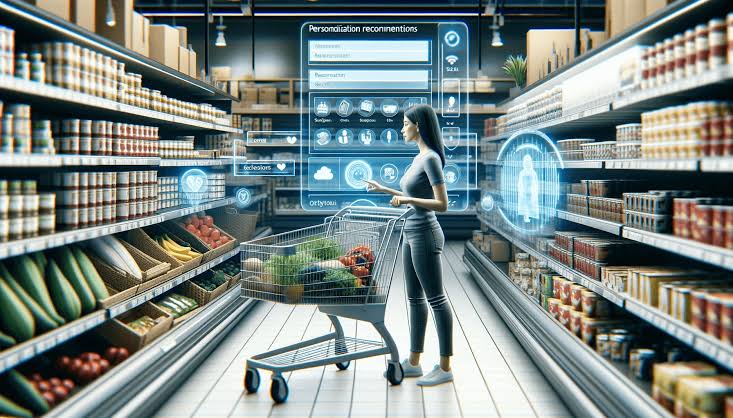
The global grocery experience is undergoing a profound transformation, one that extends far beyond convenience and into the realm of intelligent decision making. What was once a routine, almost mechanical activity built around handwritten lists and aisle navigation has evolved into a deeply personalized, data driven ecosystem. At the center of this evolution lies Artificial Intelligence, not as a supporting tool but as the engine powering a new era of retail intelligence.
This shift is not simply about automation or speed. It represents a complete redefinition of how consumers interact with brands, how choices are presented, and how purchasing decisions are influenced. Grocery platforms are no longer passive marketplaces waiting for user input. They are now active participants in the consumer journey, anticipating needs, shaping preferences, and delivering tailored experiences in real time.
For digital marketers, this marks a critical turning point. Traditional strategies built on broad segmentation and delayed insights are rapidly being replaced by precision targeting and predictive engagement. The grocery cart has become a powerful data hub, revealing patterns of behavior, lifestyle choices, and even health priorities. Every click, every reorder, and every skipped item contributes to a dynamic profile that fuels smarter marketing interventions.
What makes this transformation even more compelling is the convergence of multiple technologies working seamlessly together. Machine learning models analyze consumption habits. Natural language systems interpret human intent. Computer vision ensures real time inventory accuracy. Together, they create an ecosystem where the gap between intention and action is virtually eliminated.
Get TikTok SEO Cheat here
In this new landscape, the concept of loyalty is also being redefined. It is no longer driven solely by price or proximity but by relevance and anticipation. Consumers gravitate toward platforms that understand them, simplify their routines, and align with their personal values. This is where AI driven grocery systems excel, turning everyday shopping into an intuitive and almost effortless experience.
The implications for brands and retailers are significant. Success now depends on the ability to integrate intelligence into every touchpoint, from product discovery to checkout and beyond. Marketing is no longer about visibility alone. It is about timing, context, and meaningful engagement at the individual level.
As we explore the key pillars driving this transformation, one thing becomes clear. The grocery industry is not just adopting AI. It is being redefined by it.
The rise of retail intelligence and predictive commerce
The transition from traditional data usage to fully operational retail intelligence marks one of the most important shifts in modern commerce. Previously, retailers relied on historical data to understand what customers had already done. Today, the focus has shifted toward anticipating what customers are about to do.
Predictive commerce is the driving force behind this change. Instead of waiting for a shopper to realize they need an item, AI systems monitor consumption patterns, frequency of purchases, and even seasonal behaviors. These systems then trigger timely recommendations that feel intuitive rather than intrusive.
This approach creates a seamless loop of engagement where the consumer is continuously supported without needing to actively search. For digital marketers, this means campaigns are no longer static. They are adaptive, evolving in real time based on user behavior.
Hyper personalized retail media networks
Retail media networks have rapidly evolved into one of the most powerful advertising channels within the grocery ecosystem. What sets them apart is their ability to integrate advertising directly into the shopping journey in a way that feels natural and helpful.
Instead of generic advertisements, consumers are presented with highly relevant suggestions that align with their current intent. A shopper selecting ingredients for a meal may instantly receive complementary product recommendations, bundled offers, or targeted discounts.
This level of personalization transforms advertising from a disruption into a value added experience.
Key advantages of retail media networks
| Feature | Traditional Advertising | AI Driven RMNs |
|---|---|---|
| Targeting | Broad audience segments | Individual level precision |
| Timing | Fixed campaign schedules | Real time delivery |
| Measurement | Indirect attribution | Closed loop tracking |
| User Experience | Interruptive | Contextual and helpful |
For brands, the ability to track the exact path from impression to purchase creates a new level of accountability and optimization.
AI powered list to cart automation
One of the most significant breakthroughs in grocery technology is the elimination of friction between intention and purchase. AI powered systems now convert ideas into fully structured shopping carts with minimal user effort.
Consumers can input information in multiple ways such as voice notes, images, or simple text prompts. The system interprets the request, identifies required items, and organizes them into categories ready for checkout.
This process is powered by advanced language understanding systems that can interpret vague or conversational input.
Impact on consumer behavior
| Metric | Traditional Process | AI Driven Process |
|---|---|---|
| Time spent planning | High | Minimal |
| Cart completion rate | Moderate | Significantly higher |
| User effort | Manual | Automated |
| Purchase accuracy | Variable | Highly optimized |
For marketers, this creates a direct pipeline from inspiration to conversion, reducing the chances of drop off.
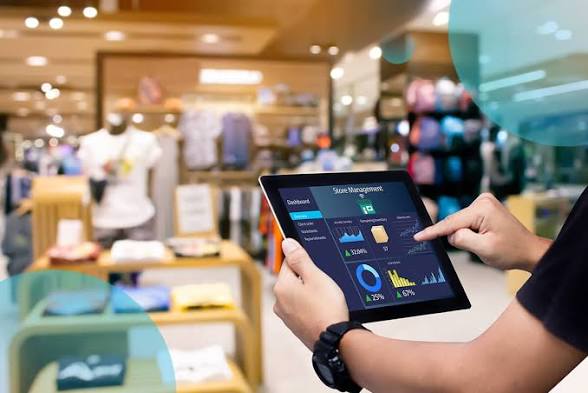
The emergence of agent driven shopping experiences
AI shopping agents represent a new layer of interaction within the grocery ecosystem. These agents function as intelligent assistants capable of managing complex tasks on behalf of the user.
They do more than recommend products. They actively guide decisions, enforce preferences, and optimize outcomes.
For example, a user focused on healthy eating may have an agent that filters out unsuitable products and suggests alternatives that align with dietary goals. Families can also benefit from shared list coordination, where the agent ensures efficiency and avoids duplication.
This creates a collaborative and intelligent shopping environment where decisions are both informed and streamlined.
Dynamic pricing and intelligent demand shaping
Pricing strategies within the grocery sector have become significantly more sophisticated through the use of AI. Rather than relying on fixed pricing models, retailers now adjust prices dynamically based on multiple real time factors.
These include demand fluctuations, inventory levels, product shelf life, and even environmental conditions.
One of the most impactful applications is the reduction of food waste through intelligent discounting. Products nearing expiration are automatically promoted to the right audience at the right time, ensuring they are sold rather than discarded.
Dynamic pricing variables
| Factor | Influence on Pricing |
|---|---|
| Demand levels | Higher demand increases price sensitivity |
| Inventory status | Excess stock triggers discounts |
| Product lifespan | Shorter lifespan leads to urgency pricing |
| Consumer behavior | Personalized offers based on history |
For digital marketers, this introduces a new dimension of strategy where pricing itself becomes a communication tool.
Unified omnichannel fulfillment and seamless integration
The distinction between online and physical shopping environments has become increasingly blurred. Modern grocery systems operate within a unified ecosystem where data flows seamlessly across all touchpoints.
Smart carts, real time inventory tracking, and synchronized digital lists create a cohesive experience that eliminates traditional inefficiencies.
Consumers can start their journey on a mobile device, continue it in store, and complete it through automated checkout without disruption.
Core components of omnichannel integration
| Element | Function |
|---|---|
| Smart carts | Automated item recognition and billing |
| Inventory systems | Real time stock visibility |
| Navigation assistance | Optimized in store movement |
| Digital synchronization | Unified shopping experience across platforms |
This integration enhances convenience while providing marketers with a comprehensive view of the customer journey.
AI grocery growth snapshot
| Metric | Previous Benchmark | Current Performance |
|---|---|---|
| Market value of AI list generation | 1.35 billion | 1.73 billion |
| Inventory accuracy | 88 percent | Over 95 percent |
| ROI on AI investment | 2.80 per 1 | 3.50 per 1 |
| Customer loyalty impact | 45 percent increase | 66 percent increase |
These figures highlight not just growth but a structural shift in how value is created and captured within the grocery sector.
The evolving role of digital marketers in intelligent retail
The transformation of grocery shopping into an AI driven ecosystem demands a corresponding evolution in digital marketing strategies.
Marketers are no longer simply promoting products. They are designing experiences, shaping decision pathways, and embedding value into every interaction.
Success now depends on the ability to leverage data responsibly while delivering meaningful personalization. Consumers expect relevance without intrusion, convenience without complexity, and efficiency without compromise.
This requires a balance between technological capability and human understanding.
The era of proactive grocery experiences
The trajectory of grocery retail is clear. It is moving away from reactive systems toward proactive intelligence. Shopping is no longer an activity driven by necessity alone. It is an experience shaped by anticipation, personalization, and seamless execution.
For consumers, this means less effort and more value. For brands, it represents an opportunity to engage with unprecedented precision. For digital marketers, it is a call to rethink strategies and embrace a future where relevance is the ultimate currency.
The platforms that succeed will be those that understand not just what consumers buy, but why they buy, when they buy, and how they prefer to engage.
In this new era, the grocery list is no longer just a checklist. It is a dynamic, intelligent interface between consumers and the brands that serve them.
Read More On: