


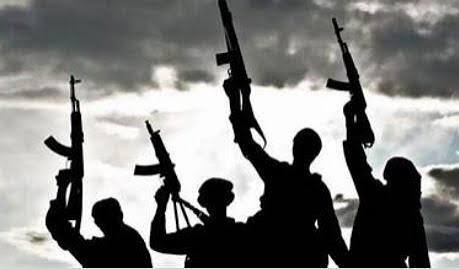
A quiet evening in Ibadan has once again been shattered by the sound of fear rather than commerce. In a city long known for its industrious spirit, vibrant markets, and resilient people, a disturbing pattern is beginning to take hold. What was once whispered as isolated criminal activity is now echoing loudly across communities, reshaping how residents think, move, and live.
The recent abduction of a respected building materials trader in the Monatan axis has not only sparked outrage but has also reignited an uneasy conversation about safety in one of southwestern Nigeria’s most important commercial hubs. This incident reaches far beyond a single victim. It touches families, business networks, transport systems, and the psychological well being of an entire region.
Ibadan thrives on movement. Traders close late. Transporters operate into the night. Artisans depend on flexible hours. Yet this very rhythm is now under threat. Residents are beginning to question routines that once felt ordinary. The simple act of returning home after work has, for many, become a calculated risk.
What makes this case particularly alarming is not just the boldness of the attackers, but the growing sense that such operations are becoming more organized, more deliberate, and more targeted. Business owners, especially those perceived as financially stable, are increasingly vulnerable. The fear is no longer abstract. It is personal.
Get TikTok SEO Cheat here
This report goes beyond surface level narration. It examines the incident in detail, explores the security response, and situates the event within a broader climate of rising tension across Oyo State.
A Calculated Operation in Monatan
On what should have been an ordinary evening, the routine of a seasoned trader was violently interrupted.
Location and Setting
The abduction took place along the Jinarere axis of Alakia Road, an area that connects key residential and commercial zones. This corridor is known for moderate traffic flow, particularly in the evening when traders close for the day and residents return home.
Despite its accessibility, the area lacks sufficient surveillance infrastructure, making it vulnerable to coordinated attacks.
Sequence of Events
Witness accounts and preliminary findings reveal a chilling level of precision in the execution.
| Stage | Detailed Description |
|---|---|
| Surveillance | The attackers are believed to have monitored the victim’s routine over time |
| Interception | The victim was stopped abruptly while en route home |
| Forceful Extraction | Armed men overpowered him within minutes, leaving no room for resistance |
| Escape | The suspects fled immediately using an unregistered vehicle, avoiding traceability |
Eyewitness Perspective
Residents in the area described a brief but intense moment of chaos. Some reported hearing raised voices followed by the sudden acceleration of a vehicle. Others noted the unusual stillness that followed, a silence that often signals that something has gone terribly wrong.
One local trader explained that such incidents now feel closer than ever. People are no longer hearing about danger. They are witnessing it.
Police Response and Tactical Measures
Following the distress call, the Oyo State Police Command initiated a response aimed at containment and recovery.
Immediate Actions Taken
Security operatives moved swiftly to secure the scene and gather intelligence.
| Response Area | Operational Detail |
|---|---|
| Scene Investigation | Collection of physical evidence and eyewitness testimonies |
| Patrol Deployment | Increased presence along major exit routes |
| Intelligence Gathering | Monitoring of suspected hideouts and forest regions |
| Inter Agency Coordination | Collaboration with local security groups |
Strategic Focus
Authorities are focusing on three critical areas:
- Tracking Movement Patterns
Efforts are being made to identify the direction taken by the suspects and possible escape corridors. - Monitoring Remote Locations
Forested areas and isolated settlements are under scrutiny due to their history as temporary hideouts. - Community Intelligence
Residents are being encouraged to share any useful information, no matter how insignificant it may seem.
Official Position
The police have reassured the public that resources are being mobilized and that the safety of the victim remains a priority. However, public confidence is being tested as similar assurances have followed previous incidents.
A Growing Pattern of Insecurity in Oyo State
This incident does not stand alone. It is part of a broader and increasingly troubling trend.
Recent Cases Reflecting a Pattern
| Incident Type | Description |
|---|---|
| Roadside Abductions | Multiple victims taken along less monitored highways |
| Targeted Kidnappings | Business individuals singled out based on perceived wealth |
| Utility Staff Attacks | Workers abducted while on duty in remote locations |
Each case contributes to a narrative that suggests a shift in criminal behavior. There is growing evidence of coordination, planning, and intelligence gathering by perpetrators.
Why Traders Are Becoming Targets
Business owners face unique vulnerabilities:
- Predictable routines
- Regular cash flow
- Limited personal security
- Exposure during closing hours
These factors make them attractive targets for criminal groups seeking high value victims.
Economic Consequences
The implications extend beyond individual loss.
- Reduced Commercial Activity
Traders may begin to close earlier, affecting supply chains. - Increased Cost of Security
Businesses may invest in private security, raising operational expenses. - Decline in Investor Confidence
Persistent insecurity can discourage both local and external investment.
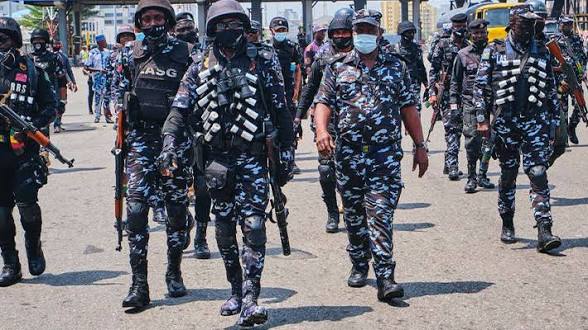
Fear, Frustration, and Adaptation
The emotional impact on residents is significant.
Public Sentiment
There is a growing mix of anxiety and frustration. Many feel that despite repeated incidents, lasting solutions remain elusive.
Residents are beginning to rely more on informal security arrangements rather than official structures.
Local Safety Adjustments
Communities are adapting in real time:
- Formation of neighborhood watch groups
- Increased reliance on group movement at night
- Avoidance of poorly lit routes
- Use of informal alert systems
Role of Local Security Groups
Traditional hunters and regional security outfits are stepping in to support official efforts. Their familiarity with local terrain provides an advantage in search operations.
Security Advisory for Residents
Authorities and community leaders are urging heightened vigilance.
Key Safety Recommendations
| Measure | Explanation |
|---|---|
| Avoid Late Movement | Reduces exposure during high risk periods |
| Travel in Groups | Provides collective security |
| Report Suspicious Activity | Early alerts can prevent incidents |
| Verify Surroundings | Awareness of unusual vehicles or individuals |
Ibadan Abduction Case
| Detail | Information |
|---|---|
| Location | Jinarere Axis, Alakia Road, Monatan |
| Victim | 60 Year Old Building Materials Trader |
| Number of Assailants | Four Armed Individuals |
| Method | Coordinated Ambush |
| Vehicle | Unregistered Ash Colored Sedan |
| Current Status | Ongoing Rescue Efforts |
The Broader Implication
This incident underscores a critical reality. Security is no longer just a government responsibility. It is becoming a shared burden between authorities and citizens.
The challenge lies in restoring trust. Trust in movement. Trust in systems. Trust in safety.
Without decisive and sustained intervention, the risk is not only continued crime but a gradual normalization of fear.
A City at a Crossroads
Ibadan stands at a delicate moment. Its identity as a commercial powerhouse is being tested by forces that thrive on disruption and fear.
The abduction of a respected trader is more than a criminal act. It is a signal. A warning that requires urgent attention, strategic action, and collective resolve.
For now, the focus remains on the safe return of the victim. But beyond that lies a larger question. How can a city protect its people while preserving the freedom that defines its daily life?
The answer will shape not just the present, but the future of security in Oyo State.
Read More On: