


A clogged drain never announces itself politely. It shows up when you are already running late, preparing for guests, or trying to finish a long day. One moment your sink is working perfectly, and the next, water is pooling stubbornly, refusing to go down.
Many people immediately think of strong chemical cleaners as the fastest solution. However, these products often create bigger problems in the long run. They can weaken your pipes, release harmful fumes into your home, and disrupt the environment once they enter the water system.
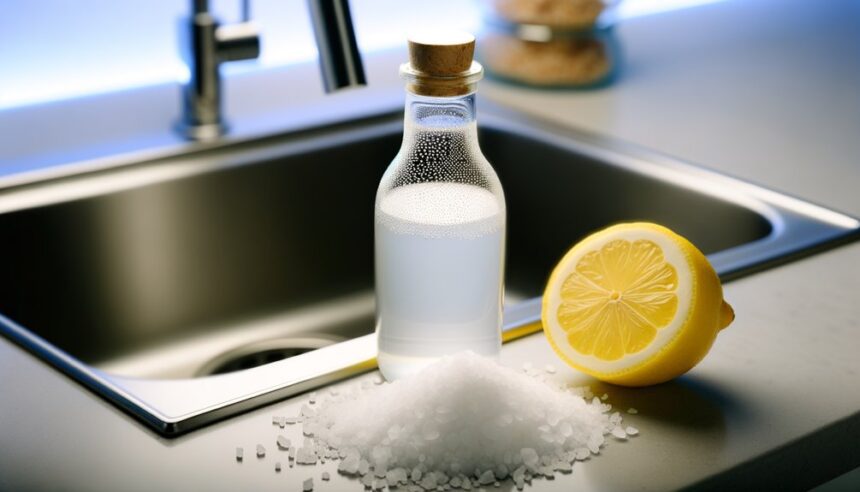
In today’s world, a smarter and safer approach has taken center stage. This approach is known as Eco Maintenance. It focuses on using simple, effective, and non toxic household items to solve everyday problems without causing long term damage.
This guide is designed to not only show you what to do, but to help you understand exactly why each method works, so you can confidently handle drain issues like a professional.
Get TikTok SEO Cheat here
Why Drains Get Clogged
Before fixing the problem, it is important to understand what is happening inside your pipes.
A drain does not clog overnight. It is usually the result of gradual buildup over time:
- In kitchen sinks, the main culprits are fats, oils, grease, and tiny food particles
- In bathroom drains, hair, soap residue, toothpaste, and skin oils are the primary causes
- In general household drains, mineral deposits from hard water can slowly narrow the pipe
As these materials accumulate, they stick to the inner walls of the pipe. Over time, they form a thick layer that slows down water flow until it eventually stops completely.
Once you understand this, it becomes clear that unclogging a drain is not just about pushing water through. It is about breaking down, loosening, or removing that buildup.
1. The Volcano Method
Baking Soda and Vinegar
This is one of the most widely known natural cleaning techniques, but most people use it without fully understanding how powerful it can be when done correctly.
What Actually Happens Inside the Pipe
When baking soda and vinegar combine, they create a chemical reaction that produces carbon dioxide gas. This reaction causes intense bubbling and fizzing.
This fizzing is not just for show. It actively:
- Breaks apart sticky residue
- Loosens grime from pipe walls
- Pushes debris downward or upward depending on pressure
Think of it as a gentle internal scrubbing process happening inside your drain.
Step by Step Process Explained in Detail
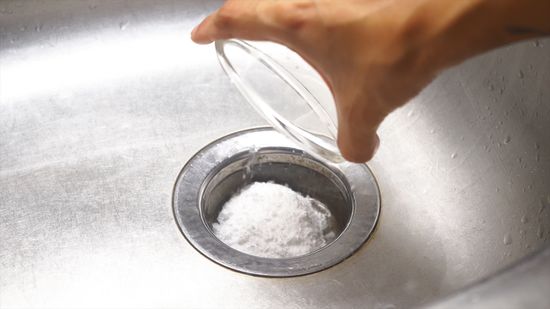
- Pour half a cup of baking soda into the drain
Make sure it goes as deep into the pipe as possible. Dry powder works best because it sticks to the clog. - Immediately add half a cup of white vinegar
The reaction begins instantly. You will hear bubbling and possibly see foam rising. - Seal the drain opening
This is a critical step many people skip. Blocking the drain forces the reaction downward into the pipe instead of letting it escape upward. - Allow it to sit for at least 30 minutes
During this time, the mixture is actively breaking down the blockage. - Flush with boiling water
The hot water clears away the loosened debris and restores flow.
Why This Method Works Best For
- Mild to moderate clogs
- Organic buildup like food residue or soap scum
- Regular maintenance cleaning
2. The Grease Cutter Method
Dish Soap and Hot Water
Kitchen clogs are often caused by grease that has cooled and hardened inside the pipes.
Understanding the Problem
When you pour oil or greasy food down the sink:
- It may go down as liquid
- But it cools and solidifies further down the pipe
- Over time, it forms a thick, sticky blockage
How Dish Soap Solves It
Dish soap is specifically designed to break down grease molecules. It surrounds the grease and separates it from surfaces, making it easier to wash away.
Detailed Step by Step Process
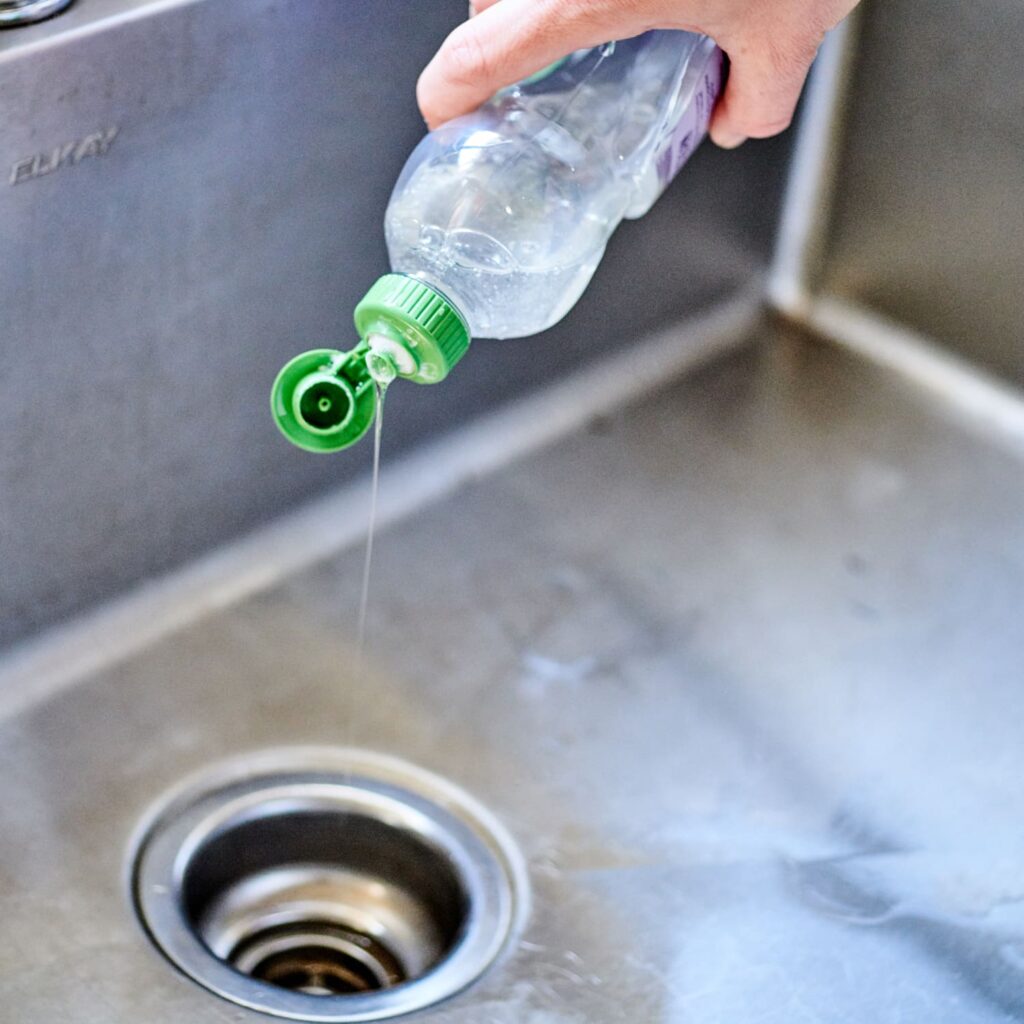
- Pour a generous amount of dish soap into the drain
Do not be stingy. You want enough soap to coat the inside of the pipe. - Wait about 5 minutes
This allows the soap to penetrate and begin breaking down the grease. - Carefully pour very hot or boiling water
The heat melts the grease, and the soap ensures it does not stick again.
Important Safety Note
- If your plumbing uses plastic pipes, avoid boiling water
- Instead, use very hot tap water to prevent damage
Best Use Cases
- Slow draining kitchen sinks
- Grease heavy clogs
- Preventive maintenance after cooking
3. The Salt and Baking Soda Deep Scrub
This method is perfect when the clog is thick, stubborn, and has built up over a long time.
Why Salt Makes a Difference
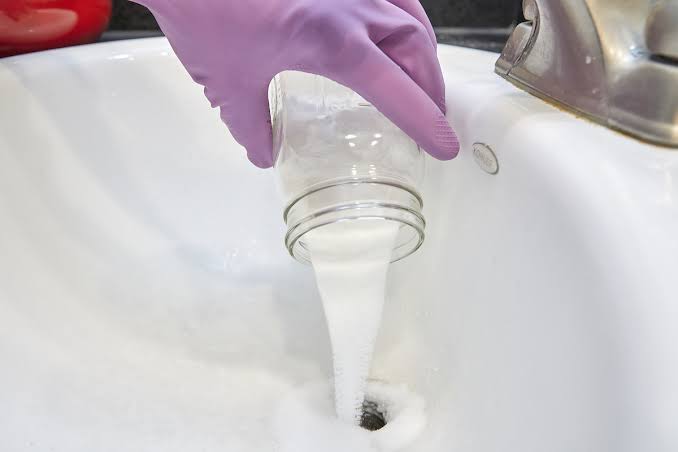
Salt acts as a natural abrasive. It physically scrapes and breaks down debris when combined with baking soda.
Detailed Instructions
- Mix equal parts salt and baking soda
About half a cup each is ideal - Pour the mixture into the drain
Let gravity pull it deep into the pipe - Leave it overnight or for at least 6 to 8 hours
This gives it enough time to break down the buildup - Flush with hot water in the morning
This clears out everything that has been loosened
Why This Method Is Powerful
- It works slowly but deeply
- It targets heavy sludge and compacted debris
- It also removes odors
4. The Mechanical Method
Wire Hanger Snake
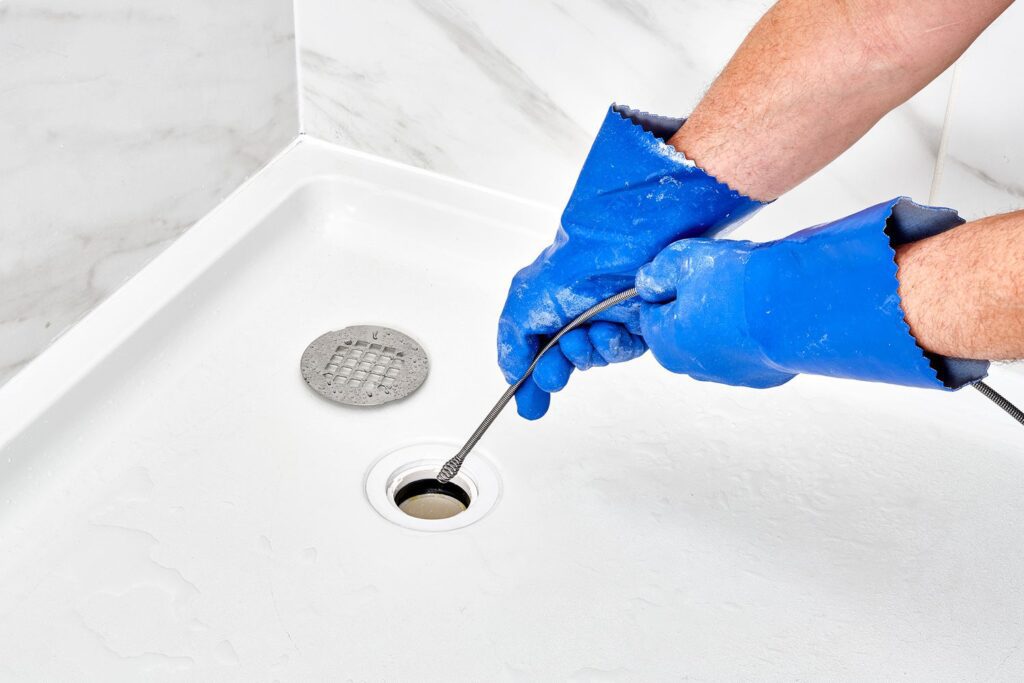
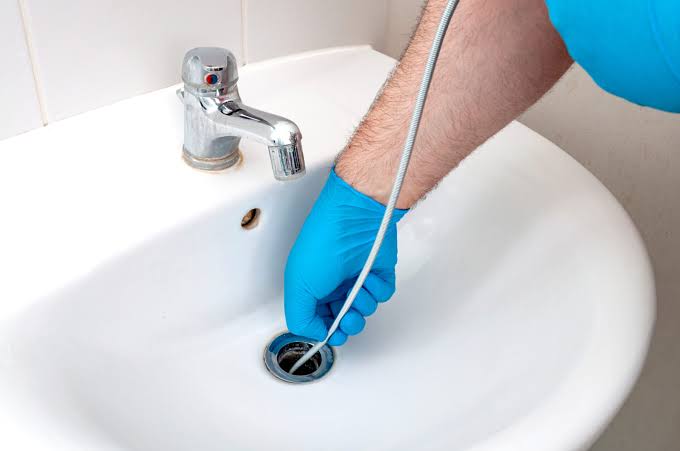
Sometimes, no chemical reaction will fix the problem because the clog is physical, not chemical.
Common Example
Hair clogs in bathroom drains form dense knots that trap soap and debris. These cannot dissolve easily.
How to Use a Wire Hanger Effectively
- Straighten a wire hanger
- Create a small hook at one end
- Insert it carefully into the drain
- Pull upward slowly to extract debris
Why This Method Is Essential
- It removes clogs instead of just loosening them
- It works instantly
- It prevents pushing the blockage deeper
5. The Natural Deodorizing Method
Lemon and Baking Soda
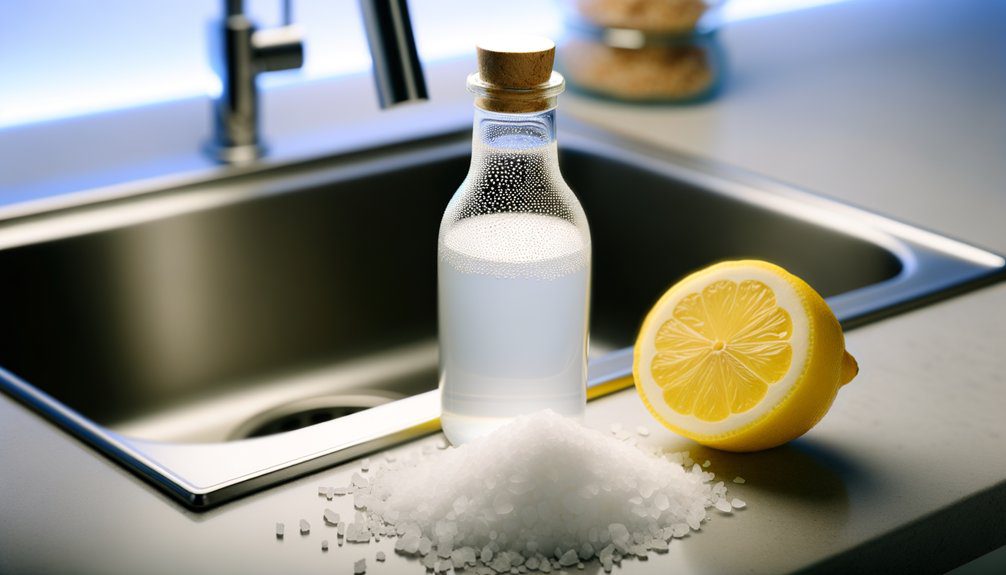
Sometimes your drain is not blocked, but it smells unpleasant.
What Causes Drain Odor
- Bacteria feeding on food particles
- Organic decay inside pipes
- Stagnant water
Why Lemon Works
Lemon contains natural acids that:
- Kill odor causing bacteria
- Break down organic matter
- Leave a fresh scent
How to Apply It
- Pour baking soda into the drain
- Add fresh lemon juice
- Allow it to react and sit
- Rinse with warm water
Preventing Future Clogs
The Smart Maintenance Approach
Fixing a clog is good. Preventing one is even better.
Essential Habits to Adopt
- Run hot water through your drain once a week
- Use a drain strainer to catch debris
- Avoid pouring grease into the sink
- Clean your drain monthly with baking soda
When DIY Is Not Enough
There are situations where home solutions will not work:
- Water is completely stagnant
- Multiple drains are clogged at once
- You hear gurgling sounds from pipes
- There is a foul smell that keeps returning
These signs may indicate a deeper issue such as:
- Main sewer blockage
- Tree root intrusion
- Structural pipe damage
At this stage, professional tools are required.
Final Thoughts
Learning how to unclog a drain using household items is more than just a money saving trick. It is a practical life skill that gives you control over your home.
Instead of relying on harsh chemicals or emergency repairs, you can:
- Solve problems quickly
- Protect your plumbing system
- Maintain a healthier living environment
The key is consistency. Small maintenance habits prevent major problems.
Read More On: