


The Eco Guide
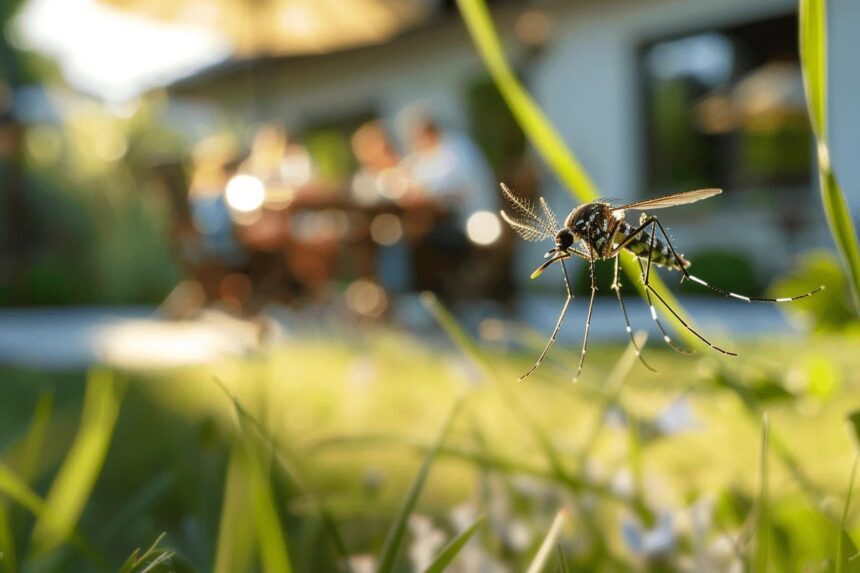
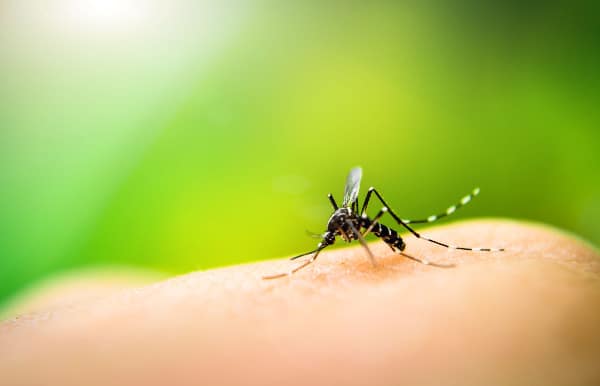
In Nigeria’s tropical environment, mosquitoes are not just irritating insects that disturb your sleep. They are carriers of serious illnesses such as Malaria, which remains one of the most common health threats across the country. With growing resistance to chemical insecticides and increasing awareness about health and environmental safety, more households are now choosing natural methods that are both effective and sustainable.
Creating a mosquito free home today requires a layered strategy. This means combining prevention, natural repellents, environmental control, and simple daily habits. When done correctly, these methods do not just reduce mosquitoes temporarily. They disrupt their entire life cycle and make your home permanently unattractive to them.
1. Eliminate Source Breeding Grounds Completely
If you truly want long term mosquito control, this is the most important step. Every other method is secondary.
Mosquitoes reproduce in stagnant water. What many people underestimate is how little water they need. Even a small bottle cap filled with water can support larvae development. This means your home could unknowingly be hosting dozens of breeding spots.
Get TikTok SEO Cheat here
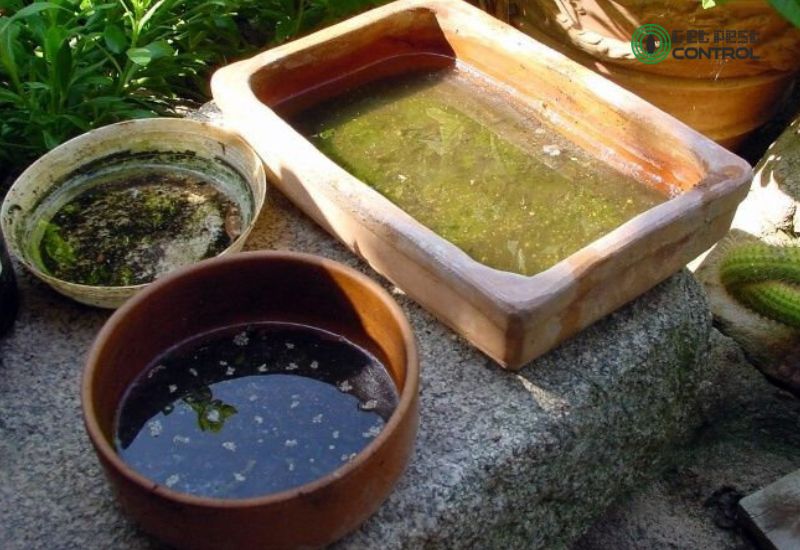
How to carry out a proper weekly inspection
- Walk around your compound slowly and deliberately
- Look beyond obvious containers and check hidden corners
- Inspect rooftops, gutters, behind water tanks, and under plant pots
Common hidden breeding spots in Nigerian homes
- Old tyres left in compounds
- Broken buckets or paint containers
- Blocked gutters filled with leaves
- Water storage drums without tight covers
- Refrigerator drip trays
- Abandoned construction materials
Why this step is powerful
When you remove stagnant water, you are not just reducing mosquitoes. You are stopping hundreds from being born every week. This creates a long term impact that no spray can match.
Advanced tip for indoor plants
- Add a thin layer of sand or gravel on top of the soil
- This blocks mosquitoes from accessing moisture underneath
- It also improves drainage and plant health
2. Build a Natural Green Shield Around Your Home
Plants are one of the most underrated mosquito defense systems. Certain plants release natural oils into the air that interfere with how mosquitoes locate humans.
Mosquitoes rely on detecting carbon dioxide, body heat, and human scent. Strong plant fragrances confuse this system, making it harder for them to find you.

Highly effective mosquito repelling plants
- Lemongrass and Citronella
These contain citronellal, a compound widely used in natural repellents. Plant them around windows, doors, and sitting areas. - Holy Basil also known as Tulsi
Apart from its medicinal value, it releases a strong scent that mosquitoes dislike. It thrives well in Nigerian climates. - Lavender
Produces calming fragrance for humans but acts as a deterrent for insects. - Marigold
Contains pyrethrum, a natural insect fighting compound.
Best placement strategy
- Place pots near entry points such as doors and windows
- Line pathways or verandas with these plants
- Keep some indoors near sleeping areas
Why this works long term
Unlike sprays that fade after a few hours, plants continuously release protective compounds. This creates a steady invisible barrier around your home.
3. Use the Camphor and Water Indoor Method
This is a simple but highly effective traditional solution widely used in many Nigerian households.
Camphor has a strong penetrating smell that disrupts mosquito sensory receptors. It makes the environment uncomfortable for them, forcing them to leave.
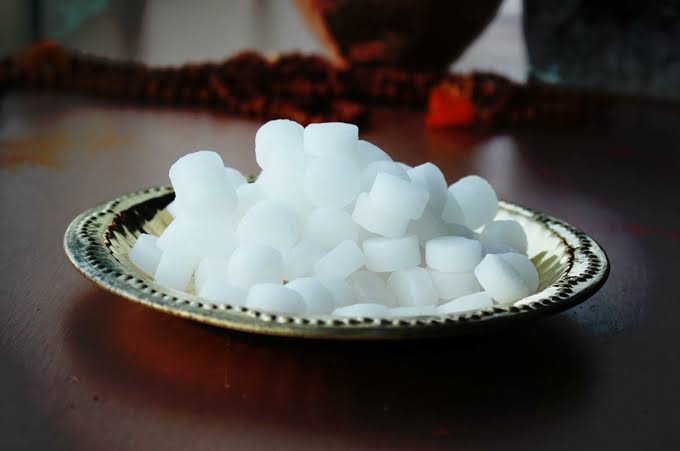
How to use it properly
- Place 2 to 3 camphor tablets in a bowl of water
- Keep the bowl in room corners or under the bed
- Close doors and windows for about 30 minutes
What happens during this process
The camphor gradually releases vapour into the air. This spreads across the room and creates an environment mosquitoes cannot tolerate.
Maintenance routine
- Replace every 3 to 4 days
- Ensure good ventilation after treatment
Why many people prefer this method
- No chemicals on the skin
- Affordable and easy to find
- Works silently without effort
4. Make Your Own Essential Oil Repellent Spray
For those who want direct skin protection, natural oil blends are one of the best solutions available today.
One of the most effective natural oils is Oil of Lemon Eucalyptus, which has been widely studied for its mosquito repelling ability.

Detailed DIY recipe
- 100 ml distilled water
- 1 tablespoon witch hazel
- 20 drops lemon eucalyptus oil
- 10 drops peppermint oil
Why each ingredient matters
- Witch hazel helps mix oil and water properly
- Lemon eucalyptus oil provides long lasting protection
- Peppermint oil adds extra repellency and cooling effect
Application tips
- Shake before each use
- Apply on exposed skin and clothing
- Avoid contact with eyes
Effectiveness duration
This mixture can protect you for up to 6 hours depending on environmental conditions.
5. Use Strong Airflow to Physically Block Mosquitoes
This method is simple but very effective, especially at night.
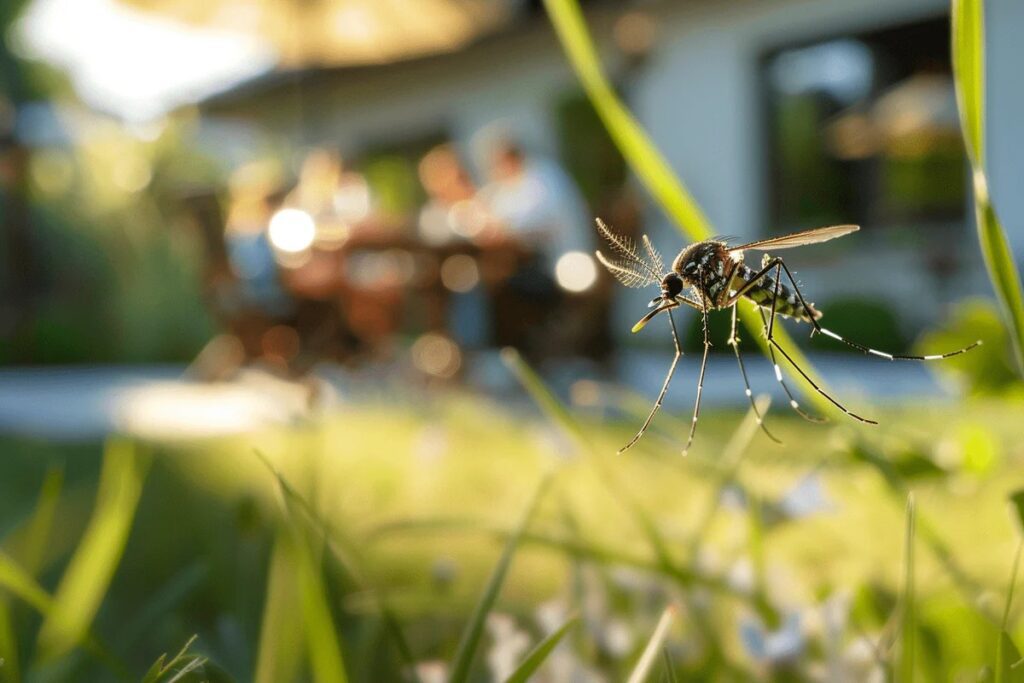
Mosquitoes are weak fliers. They cannot survive in strong air currents. By creating airflow, you turn your space into a difficult environment for them to navigate.
How to maximize airflow effectiveness
- Use ceiling fans at higher speeds
- Position standing fans near sleeping areas
- Direct airflow towards legs and lower body
Why focus on lower body
Mosquitoes tend to fly low to avoid detection. Targeting airflow there prevents them from landing.
Extra benefit
Apart from repelling mosquitoes, airflow keeps your environment cool and comfortable, improving sleep quality.
6. Set Up a Simple Soapy Water Trap
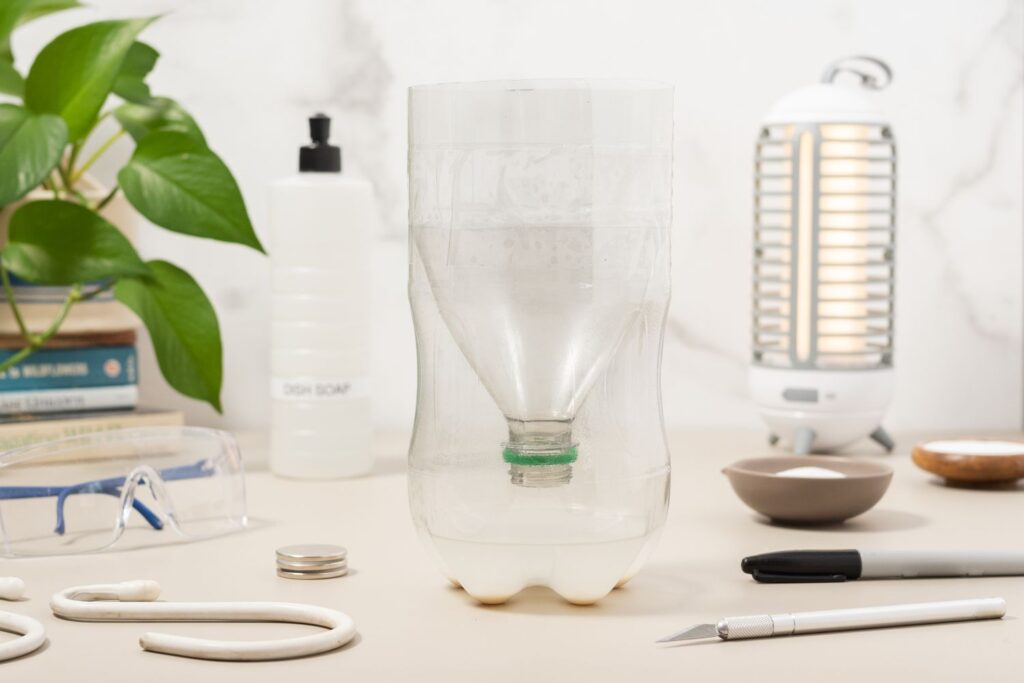
This method works well for outdoor areas such as balconies, patios, or gardens.
How it works
- Fill a shallow bowl with water
- Add a few drops of liquid soap
- Place it under light
What happens
Mosquitoes are attracted to the light and water surface. The soap breaks surface tension, causing them to sink and drown.
Best situations to use this
- Outdoor gatherings
- Evening relaxation spots
- Garden seating areas
7. Use Smoke from Coffee Grounds or Citrus Peels
Smoke is a natural insect deterrent. Mosquitoes avoid environments where smoke is present.

How to prepare
- Dry used coffee grounds
- Place in a fire safe container
- Light gently until it smolders
Alternative option
- Use dried orange or lemon peels
- Burn slowly for a milder scent
Why this works
The smoke interferes with mosquito breathing and navigation, making the area uncomfortable for them.
8. Strengthen Physical Barriers and Entry Points
Sometimes the simplest solution is the most effective.

What to check regularly
- Window nets for tiny holes
- Door edges and gaps
- Vent openings
Upgrade options
- Install automatic door closers
- Use tighter mesh screens
- Seal cracks in walls
Why this matters
Even the best repellent methods fail if mosquitoes can easily enter your home.
Essential Oil Safety for Families
Natural does not always mean completely safe, especially for babies and pets.
Safe oils for general use
- Lavender
- Chamomile
- Lemon eucalyptus in diluted form
Oils to avoid around babies
- Strong menthol oils
- Undiluted essential oils
Important rule
Always dilute oils and test on a small area before full use.
Conclusion
Creating a mosquito free home naturally is not about one quick fix. It is about combining small actions that work together.
When you:
- Remove breeding grounds
- Use plant based protection
- Apply natural repellents
- Maintain your home environment
You build a powerful system that keeps mosquitoes away consistently.
The goal is not just comfort. It is protecting your health, your family, and your environment in a safe and sustainable way.
Read More On: