
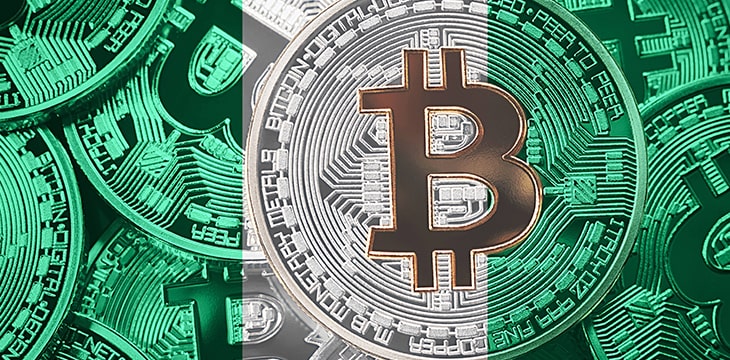
The financial landscape in Nigeria is currently witnessing a tectonic shift as the Central Bank of Nigeria (CBN) and the Securities and Exchange Commission (SEC) have moved to partially lift the long-standing restrictions on cryptocurrency activities. This development is not merely a policy adjustment; it is a fundamental restructuring of the country’s digital economy. For years, the Nigerian crypto ecosystem operated in a grey market, largely driven by Peer-to-Peer (P2P) transactions after the 2021 directive restricted banks from facilitating crypto-related payments. Now, the regulatory body has pivoted toward a “Regulate and Supervise” model rather than a “Ban and Restrict” approach. This news marks a historic milestone for millions of Nigerian youth, fintech startups, and international exchanges that have viewed Nigeria as one of the most vibrant but legally complex crypto markets globally.
What Changed for Exchanges and Traders?
The recent issuance of new guidelines by the apex bank signifies a massive win for financial inclusion and technological progress. By integrating digital assets into the formal financial system, the government aims to curb illicit flows while tapping into the massive tax potential of the digital asset industry. This move follows months of back-channel negotiations between the Blockchain Association of Nigeria and federal financial regulators. The goal is clear: to bring the estimated billions of dollars in “hidden” crypto transactions back into the monitored banking sector.
What is Legal Now?
The partial lift of the ban does not imply a “free-for-all” environment. Instead, it creates a supervised corridor for Digital Asset Service Providers (VASPs). Under the new framework, Nigerian commercial banks are now authorized to open and maintain accounts for crypto exchanges that are fully registered and licensed by the SEC.
This is a stark departure from the previous era where any bank account suspected of interacting with a crypto platform was subject to immediate freezing. However, the CBN remains cautious. While banks can facilitate the accounts for these exchanges, they are still prohibited from holding, trading, or transacting in cryptocurrencies using their own balance sheets. This means your bank is now a “bridge” for your funds to move to an exchange, but the bank itself is not a crypto broker.
Get TikTok SEO Cheat here
Which Exchanges Can Now Operate Legally?
To operate within the Nigerian borders, every exchange must now obtain a Virtual Asset Service Provider (VASP) license. This is a rigorous process that involves significant capital requirements and a physical presence within the country.
| Category | Requirement Details |
|---|---|
| Licensing Body | Securities and Exchange Commission (SEC) Nigeria |
| Minimum Paid-Up Capital | ₦500 Million (Subject to periodic review) |
| Physical Office | Mandatory Nigerian headquarters with resident directors |
| Reporting Duty | Weekly and monthly transaction reports to the SEC and NFIU |
| Account Type | Dedicated “Designated Settlement Accounts” for customer funds |
Exchanges that have historically dominated the Nigerian market, such as Binance, Quidax, and Luno, are currently in various stages of compliance. Only those that pass the SEC’s “Fit and Proper” test will be allowed to link directly with Nigerian bank accounts for seamless Naira deposits and withdrawals.
The New KYC and AML Standards
For the individual trader, the days of anonymous or poorly verified accounts are over. The new guidelines place a heavy emphasis on Know Your Customer (KYC) and Anti-Money Laundering (AML) protocols.
Every user on a licensed Nigerian exchange must now link their Bank Verification Number (BVN) and National Identification Number (NIN) to their profile. The regulators have implemented a “travel rule” which requires exchanges to share sender and recipient information for every transaction above a certain threshold. While this may feel invasive to privacy advocates, it is the compromise required to gain the legitimacy of the formal banking sector. This move is designed to satisfy the Financial Action Task Force (FATF) requirements and move Nigeria away from any potential “grey listing” regarding financial transparency.
The Implementation of Crypto Taxation
One of the primary drivers behind this policy shift is the government’s need for revenue generation. The new guidelines coincide with the activation of the Digital Assets Tax framework.
Nigerian crypto traders are now expected to pay a capital gains tax on profits made from digital asset transactions. Licensed exchanges will act as the primary data points for the Federal Inland Revenue Service (FIRS). While the exact percentage is aligned with standard capital gains rates, the mechanism for collection is still being refined. Traders should keep meticulous records of their “buy” and “sell” prices, as the tax man will now have a direct window into the transaction history of licensed platforms.
How Nigerian Traders are Affected
The immediate impact for the average trader in places like Ikorodu, Lagos, or Abuja is the return of “Direct Naira Deposits.” For the past few years, traders relied on P2P markets where they sent money to an individual’s account and hoped the individual would release the crypto. This was fraught with scams and high premiums.
With the ban partially lifted, you can now click “Deposit” on a licensed app and transfer money directly from your banking app to the exchange. This will likely lead to:
- Lower Transaction Fees: Direct deposits are generally cheaper than the inflated rates found on P2P markets.
- Increased Security: The risk of your bank account being flagged for “suspicious activity” is eliminated, provided you are using a licensed VASP.
- Faster Liquidity: Converting your Bitcoin or stablecoins back to Naira and having it in your bank account will now take minutes rather than hours of waiting for a P2P partner.
The 2021 Ban vs. The Current Policy
The 2021 directive was a reactive measure aimed at stopping the outflow of foreign exchange and preventing the use of crypto for protest funding and illicit activities. It drove the industry underground. The current policy is a proactive framework that recognizes crypto is here to stay.
The shift shows that the government has realized that banning technology does not stop its usage; it only stops the government from seeing and taxing it. By bringing exchanges under the SEC’s umbrella, the state gains the visibility it lacked for the past few years while the youth gain a safer environment to trade and innovate.
Remaining Risks and Volatility Warnings
Despite the legal progress, the CBN has been very vocal about the inherent risks. Cryptocurrency remains a highly volatile asset class. The government has made it clear that it will not provide a “bailout” for any exchange that fails or for traders who lose money in market crashes.
Furthermore, the “Partial” nature of this lift means that the P2P market is still under heavy scrutiny. The government is encouraging users to move away from unregulated P2P platforms and toward licensed exchanges. Using unlicensed offshore platforms could still lead to banking restrictions if those platforms are not recognized by the SEC.
Expert Analyst Predictions for the Digital Economy
Economic analysts suggest that this policy shift could lead to a massive influx of Foreign Direct Investment (FDI). International venture capital firms that were hesitant to invest in Nigerian web3 startups due to legal uncertainty are now likely to return. We can expect to see a surge in “Blockchain-as-a-Service” companies emerging in Lagos, providing jobs in software development, compliance, and digital marketing.
There is also the possibility of a “Digital Naira” synergy where the eNaira and private stablecoins coexist to facilitate cross-border trade. This would drastically reduce the cost of remittances for Nigerians in the diaspora, further stabilizing the local economy.
Frequently Asked Questions
Can I now use my debit card to buy Bitcoin?
Yes, once an exchange is fully licensed and integrated with Nigerian payment gateways, you will be able to use your Naira cards for purchases, subject to the spending limits set by your bank.
Will my old P2P transactions get me in trouble?
The new guidelines are forward-looking. The focus is on ensuring current and future transactions follow the law. However, it is always best to move your activities to compliant platforms to avoid future issues.
Is cryptocurrency now legal tender in Nigeria?
No. Cryptocurrency is a “legal asset” that you can trade and own, but it is not “legal tender.” You cannot force a shop owner to accept Bitcoin as payment for bread; only the Naira holds that status.
Read More On: