

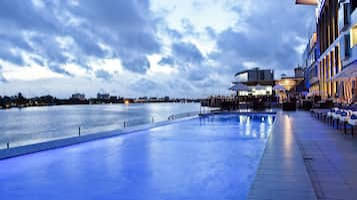
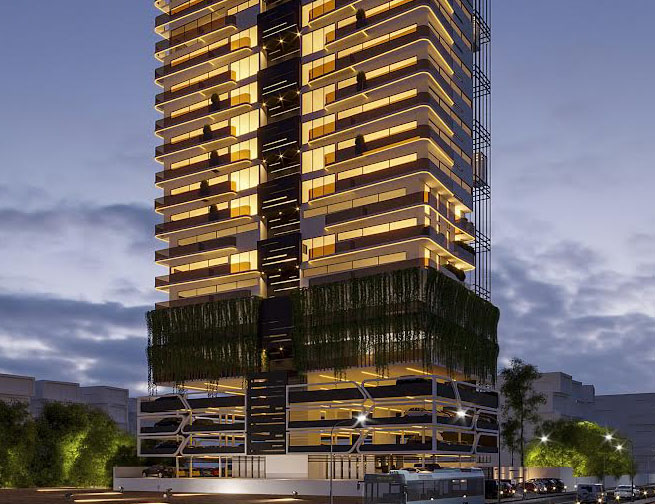
Lagos is not merely expanding. It is reinventing itself in real time. Across its coastline and commercial corridors, steel frames rise, glass facades reflect ambition, and cranes sketch a new economic identity into the skyline. At the center of this transformation stands Victoria Island, a district that has evolved far beyond its legacy as a corporate enclave into a fully integrated urban powerhouse.
What is unfolding in Victoria Island is more than a construction boom. It is a strategic redefinition of how hospitality, commerce, and lifestyle intersect in West Africa’s most dynamic city. Investors are no longer just building hotels. They are building ecosystems. These ecosystems are designed to serve a new class of global traveler who demands efficiency during the day and curated experiences at night.
The latest industry intelligence confirms what many observers have sensed for some time. Victoria Island has become the gravitational center of Lagos’ hospitality expansion. It is attracting the highest concentration of premium hotel developments, commanding strong pricing power, and maintaining resilient occupancy levels even as new supply enters the market.
This report takes a deep and detailed look into the forces driving this surge. It examines the numbers, the strategy, the lifestyle appeal, and the investment climate that together position Victoria Island as the most compelling hospitality destination in Nigeria today.
Get TikTok SEO Cheat here
The dominance of Victoria Island by the numbers
The scale of activity in Victoria Island is both striking and deliberate. Out of all planned hotel developments across Lagos, a significant share is concentrated within this single district. This is not coincidental. It reflects a calculated preference by both international hotel brands and local developers.
Pipeline distribution across key districts
| Submarket | Planned Projects | Market Position |
|---|---|---|
| Victoria Island | 10 | Luxury and premium hub |
| Lekki | 7 | Lifestyle and boutique |
| Ikeja | 7 | Corporate and transit |
| Ikoyi | 5 | Executive and ultra luxury |
Victoria Island’s lead is not just numerical. It is qualitative. The district hosts a higher concentration of internationally branded hotels compared to its counterparts. This clustering effect creates a powerful perception of prestige and reliability, which in turn attracts even more investment.
Why concentration matters
When hotel developments cluster within a specific area, they create a network effect. Guests benefit from proximity to business hubs, entertainment venues, and transport infrastructure. Developers benefit from shared demand pools. Brands benefit from increased visibility.
Victoria Island exemplifies this effect perfectly. It serves as the primary entry point for international business travelers. Major corporate headquarters are located within minutes of each other. Financial institutions, embassies, and high end retail outlets are all within easy reach.
This level of accessibility reduces friction for travelers and increases the attractiveness of the location for hotel operators.
Why Victoria Island thrives as a work and lifestyle ecosystem
The success of Victoria Island cannot be explained by business activity alone. What sets it apart is its seamless fusion of work and leisure. It is a district that never truly powers down.
A city within a city
By day, Victoria Island operates as a financial and corporate engine. Offices buzz with activity. Meetings, conferences, and negotiations drive a constant flow of high value visitors.
By night, the same district transforms into a vibrant lifestyle destination. Restaurants fill up, lounges come alive, and beachfront venues draw crowds seeking curated experiences.
This dual identity ensures that hotel rooms are not dependent solely on weekday business demand. Weekend occupancy remains strong because leisure travelers and residents actively engage with the district’s offerings.
Integrated developments shaping the future
Modern projects in Victoria Island are no longer single purpose structures. They are mixed use environments designed to maximize value across multiple streams.
These developments typically combine:
- Luxury hotel rooms
- Branded residential apartments
- Premium office spaces
- Retail and dining outlets
This model creates a self sustaining ecosystem where guests can live, work, and relax within the same environment. For investors, it offers diversified income streams. For guests, it offers unmatched convenience.
Pricing power and occupancy resilience
One of the most telling indicators of a healthy hospitality market is its ability to sustain high room rates while maintaining strong occupancy levels. Victoria Island demonstrates both.
Key performance indicators
| Metric | Current Performance |
|---|---|
| Average Daily Rate | Above ₦205,000 |
| Occupancy Rate | 68 percent to 72 percent |
| Demand Drivers | Corporate and lifestyle |
Understanding the pricing strength
Premium hotels in Victoria Island command high rates because they deliver consistent value. This value is not limited to accommodation. It includes security, service quality, location advantage, and brand reputation.
Corporate clients are willing to pay a premium for reliability and convenience. Event organizers prioritize venues that offer both capacity and prestige. Leisure travelers seek experiences that justify their spending.
Why occupancy remains stable
Even as new hotels enter the market, occupancy levels have not collapsed. This challenges the common assumption that increased supply automatically leads to oversaturation.
The explanation lies in sustained demand. Conferences, business travel, diplomatic visits, and social events create a continuous flow of guests. The district’s lifestyle appeal ensures that demand does not drop significantly during weekends.
Investment climate and capital dynamics
The hospitality surge in Victoria Island is supported by a favorable investment environment that balances both local and international participation.
Dual engine of investment
There are two primary sources of capital driving development:
- International hotel brands seeking expansion into high growth markets
- Local developers leveraging franchise agreements to retain ownership while adopting global standards
This hybrid model allows for rapid expansion without requiring foreign entities to fully own assets. It also empowers local investors to benefit from established brand systems.
Economic contribution
The hospitality sector plays a growing role in Nigeria’s economic structure. It supports employment, stimulates tourism, and contributes significantly to national output.
Hotels are not isolated businesses. They are hubs that generate activity across multiple sectors including transportation, food services, entertainment, and retail.
Infrastructure as a catalyst
Infrastructure improvements around Victoria Island have further strengthened investor confidence. Road networks have been upgraded, and surrounding developments have enhanced accessibility.
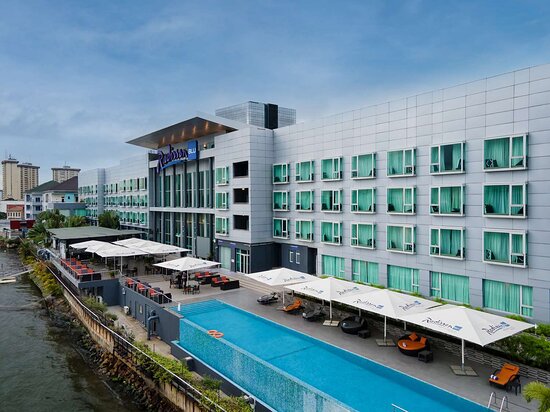
The continued expansion of nearby coastal projects has also elevated the district’s global profile. These improvements reduce operational risks and increase the long term viability of large scale hotel investments.
Challenges within the development pipeline
Despite the positive outlook, the journey from planning to completion is not without obstacles.
Project status breakdown
| Development Stage | Percentage of Projects |
|---|---|
| Planning Phase | 65 percent |
| Under Construction | 35 percent |
Financing constraints
Securing funding remains one of the most significant challenges. Large scale hotel projects often require substantial capital. Investors must navigate fluctuating economic conditions, currency considerations, and lending requirements.
Projects exceeding major capital thresholds face additional scrutiny, which can delay timelines.
Execution risks
Construction delays, regulatory approvals, and supply chain disruptions can impact delivery schedules. These factors create a gap between announced projects and actual openings.
Emerging opportunity segments
While luxury developments dominate Victoria Island, there is a noticeable gap in midscale and economy hotel offerings. This gap presents an opportunity for developers willing to target a broader market segment.
Such properties could cater to business travelers seeking affordability without compromising on quality.
Comparative outlook across Lagos submarkets
While Victoria Island leads the charge, other districts maintain distinct roles within the hospitality landscape.
Submarket positioning
| District | Core Strength |
|---|---|
| Victoria Island | Luxury and international appeal |
| Lekki | Lifestyle driven developments |
| Ikeja | Proximity to airport and business hubs |
| Ikoyi | Exclusive and residential luxury |
Each district serves a specific audience. However, Victoria Island’s ability to combine multiple strengths gives it a clear competitive edge.
Conclusion
Victoria Island’s rise as the focal point of Lagos’ hospitality expansion is neither accidental nor temporary. It is the result of strategic positioning, sustained demand, and a deliberate shift toward integrated urban development.
The district represents a new model for hospitality in Nigeria. One where hotels are not just places to stay but anchors within a broader lifestyle ecosystem. One where business and leisure coexist seamlessly. One where investment is driven by both immediate returns and long term vision.
As construction continues and new properties move closer to completion, Victoria Island is set to redefine expectations for hospitality not only in Lagos but across the region.
For investors, it offers opportunity. For travelers, it offers experience. For Lagos, it signals a future that is bold, dynamic, and unmistakably global.
Read More On: