


In an age where screens dominate nearly every part of modern life, protecting your eyesight has become more important than ever. From smartphones and tablets to laptops and televisions, our eyes are exposed daily to intense visual demands that previous generations never experienced. Many people now spend long hours staring at digital devices for work, communication, entertainment, and education. While technology has improved productivity and convenience, it has also introduced a silent challenge known as digital eye strain.
Dry eyes, blurry vision, headaches, difficulty focusing, eye fatigue, and increased light sensitivity are becoming increasingly common. Unfortunately, many individuals wait until their eyesight begins to deteriorate before they start paying attention to eye health. What many people fail to realize is that vision protection begins long before symptoms appear. Your daily nutrition plays one of the biggest roles in determining how well your eyes function both now and in the future.
The human eye is an incredibly active organ. Every second, millions of cells inside the retina process light signals and transmit information to the brain. This continuous activity exposes the eyes to oxidative stress caused by free radicals, environmental pollution, ultraviolet light, poor sleep, unhealthy diets, and excessive screen exposure. Without the right nutritional support, the delicate structures inside the eyes gradually become vulnerable to damage.
This is where food becomes powerful medicine.
Get TikTok SEO Cheat here
Certain nutrients have been scientifically proven to strengthen retinal function, reduce inflammation, improve tear production, support night vision, filter harmful blue light, and lower the risk of serious conditions such as cataracts and macular degeneration. Nutrients like lutein, zeaxanthin, omega three fatty acids, Vitamin A, zinc, and Vitamin C work together to create an internal defense system that helps preserve visual clarity.
The encouraging news is that many of these nutrients are found in everyday foods that can easily become part of your regular meals. By consistently eating the right foods, you are not merely maintaining general wellness. You are actively nourishing the tissues that allow you to see clearly, focus comfortably, and protect your eyes from long term damage.
This guide is designed as a practical and detailed roadmap for anyone who wants to improve eyesight naturally through nutrition. Whether you work long hours in front of a computer, struggle with dry eyes, experience visual fatigue, or simply want to preserve your eyesight as you grow older, these foods can significantly strengthen your visual health from the inside out.
Rather than relying solely on eye drops or temporary solutions, this article focuses on building sustainable daily habits that support lifelong ocular health.
Why Nutrition Matters for Eye Health
Before diving into the foods themselves, it is important to understand why nutrition is deeply connected to vision.
Your eyes require a constant supply of oxygen, antioxidants, vitamins, healthy fats, and minerals to function properly. Unlike many organs that can store nutrients for long periods, the eyes rely heavily on a consistent daily intake. Poor dietary habits can gradually weaken retinal tissues, increase inflammation, and accelerate age related vision decline.
Several major eye conditions are linked to nutritional deficiencies, including:
| Eye Condition | Possible Nutritional Connection |
|---|---|
| Dry Eyes | Low Omega three intake |
| Night Blindness | Vitamin A deficiency |
| Cataracts | Oxidative stress and low antioxidants |
| Macular Degeneration | Low lutein and zeaxanthin |
| Blurry Vision | Poor blood circulation and nutrient deficiency |
| Eye Fatigue | Inflammation and prolonged screen exposure |
The goal is not simply to avoid eye disease. The goal is to create a nutritional environment where your eyes can function efficiently every single day.
1. Carrots
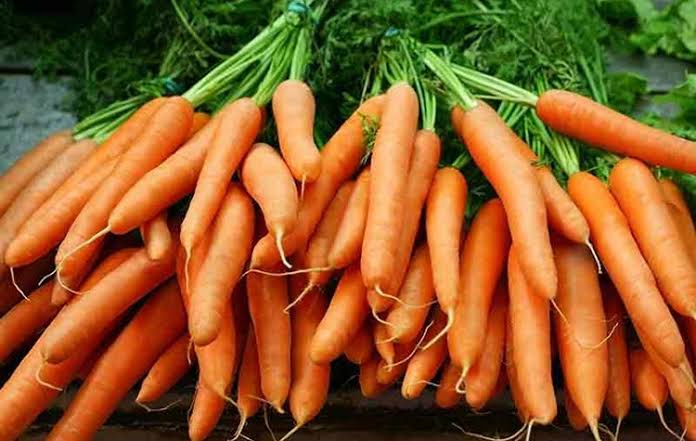
The Foundational Food for Strong Vision
Carrots remain one of the most respected foods for eye health because they are extremely rich in beta carotene, a compound the body converts into Vitamin A.
Vitamin A is essential for maintaining the health of the cornea, which is the clear outer layer of the eye. It also plays a critical role in helping the retina absorb and process light efficiently.
Without enough Vitamin A, the eyes struggle to adapt to darkness. This can lead to poor night vision and difficulty seeing in dim environments.
How Carrots Help Your Eyes
Carrots support vision in several ways:
- They improve low light vision
- They help maintain moisture on the eye surface
- They reduce dryness and irritation
- They strengthen retinal performance
- They help prevent night blindness
How to Eat Carrots for Maximum Benefit
The body absorbs beta carotene more effectively when paired with healthy fats. Instead of eating plain carrots alone, combine them with foods such as:
- Olive oil
- Avocado
- Groundnuts
- Eggs
Practical Examples
| Meal Idea | Benefit |
|---|---|
| Carrot salad with olive oil | Better beta carotene absorption |
| Carrot smoothie with milk | Supports retinal nourishment |
| Stir fried carrots with eggs | Combines Vitamin A and zinc |
2. Leafy Greens
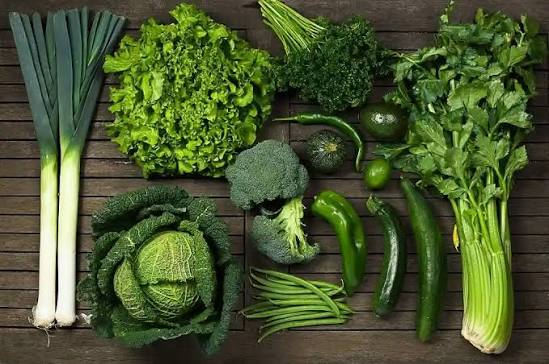
Nature’s Internal Sunglasses
Spinach, kale, ugu, collard greens, and other dark leafy vegetables are among the most protective foods for the eyes.
These vegetables contain two powerful antioxidants known as lutein and zeaxanthin. These nutrients accumulate naturally inside the macula, the area responsible for sharp central vision.
Think of lutein and zeaxanthin as natural filters inside your eyes. They help block harmful blue light emitted from digital screens while reducing oxidative damage caused by prolonged visual stress.
Why Leafy Greens Are So Important
People who consume leafy vegetables regularly tend to have stronger long term visual protection because these vegetables:
- Help reduce digital eye strain
- Protect retinal cells
- Lower the risk of cataracts
- Improve visual endurance
- Reduce inflammation inside the eyes
Best Ways to Consume Them
Cooking lightly helps release more nutrients while preserving antioxidant quality.
Highly Effective Options
| Vegetable | Key Nutrient |
|---|---|
| Spinach | Lutein |
| Kale | Zeaxanthin |
| Ugu | Antioxidants |
| Broccoli | Vitamin C and lutein |
3. Fatty Fish
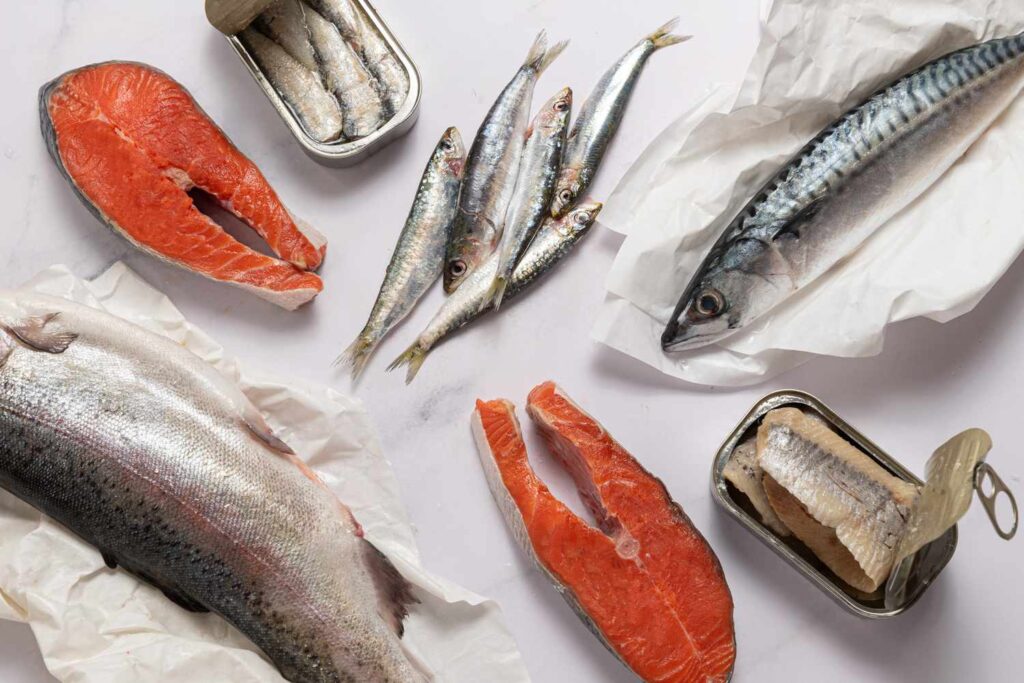
The Ultimate Defense Against Dry Eyes
One of the most overlooked causes of eye discomfort is poor tear quality.
Many people assume watery eyes mean their eyes are properly hydrated. In reality, weak tear composition often causes irritation, burning sensations, and blurry vision.
Fatty fish such as salmon, sardines, tuna, and mackerel contain omega three fatty acids that strengthen the tear film and support retinal structure.
How Omega Three Protects Vision
Omega three fatty acids help:
- Reduce eye dryness
- Improve tear stability
- Lower inflammation
- Support retinal communication
- Enhance visual focus
The retina itself contains high concentrations of healthy fats, which means dietary fat quality directly affects eye performance.
Best Consumption Practices
Aim to consume fatty fish consistently rather than occasionally.
Helpful Serving Guide
| Fish Type | Eye Benefit |
|---|---|
| Salmon | Rich DHA support |
| Sardines | Anti inflammatory fats |
| Mackerel | Retinal nourishment |
| Tuna | Visual cell support |
4. Eggs
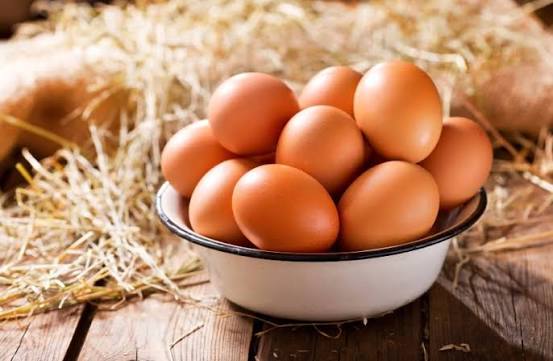
A Complete Nutritional Package for the Eyes
Eggs are one of the most balanced foods for vision because they contain multiple eye supporting nutrients in one source.
The yolk provides:
- Lutein
- Zeaxanthin
- Vitamin A
- Zinc
These nutrients work together to strengthen retinal protection and improve visual performance.
Why Zinc Matters So Much
Zinc helps transport Vitamin A from the liver to the retina where it is used to produce melanin, a protective pigment inside the eyes.
Without sufficient zinc, the eyes become more vulnerable to:
- Night vision problems
- Retinal damage
- Macular degeneration
- Poor adaptation to bright light
Best Ways to Include Eggs in Your Diet
| Method | Benefit |
|---|---|
| Boiled eggs | Preserves nutrients |
| Vegetable omelette | Adds antioxidants |
| Egg sandwich with spinach | Combines multiple eye nutrients |
5. Citrus Fruits
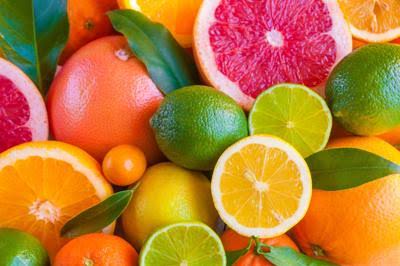
Antioxidant Protection for Delicate Eye Tissues
Oranges, lemons, tangerines, and grapefruits are excellent sources of Vitamin C.
The eyes contain tiny blood vessels that are extremely sensitive to oxidative stress. Vitamin C strengthens these vessels and helps reduce damage caused by free radicals.
Benefits of Vitamin C for Vision
Vitamin C supports:
- Healthy retinal circulation
- Lens protection
- Reduced cataract risk
- Faster tissue repair
- Improved collagen support
The lens of the eye gradually becomes vulnerable to cloudiness as oxidative damage accumulates. Vitamin C helps slow this process.
Simple Ways to Increase Intake
- Drink fresh orange juice
- Add lemon to water
- Eat citrus fruits as snacks
- Combine fruit salads with nuts
6. Sweet Potatoes
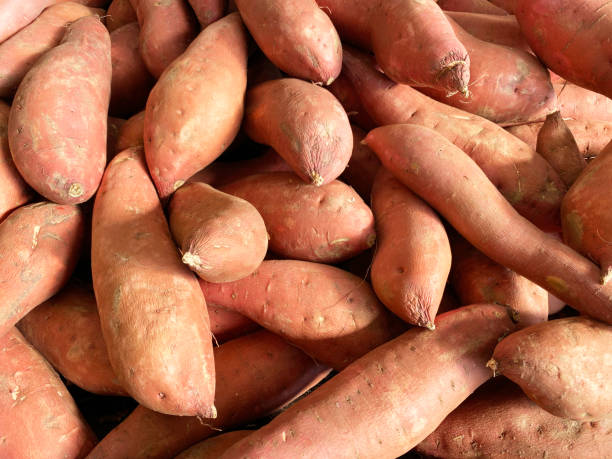
Powerful Protection Against Visual Decline
Sweet potatoes combine two major eye protecting nutrients:
- Beta carotene
- Vitamin E
This combination provides both retinal support and antioxidant defense.
Why Sweet Potatoes Are Exceptional
Vitamin E helps protect eye cells from oxidative stress caused by:
- Pollution
- Ultraviolet rays
- Blue light exposure
- Aging
Meanwhile, beta carotene strengthens visual performance in low light conditions.
How to Maximize Benefits
| Preparation Style | Nutritional Advantage |
|---|---|
| Roasted sweet potatoes | Preserves antioxidants |
| Mashed sweet potatoes | Easy digestion |
| Sweet potato with fish | Combines Vitamin A and Omega three |
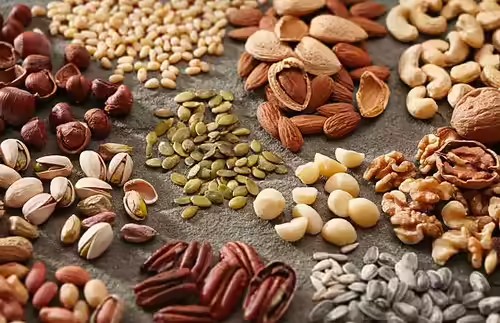
7. Nuts and Seeds
Long Term Retinal Protection
Almonds, walnuts, sunflower seeds, flaxseeds, and chia seeds are nutritional powerhouses for eye health.
They contain:
- Vitamin E
- Healthy fats
- Plant based omega three
- Antioxidants
How They Help Your Vision
Nuts and seeds help:
- Slow retinal aging
- Reduce inflammation
- Improve blood circulation
- Protect against macular degeneration
Even a small daily portion can provide meaningful protection over time.
Easy Daily Habits
| Snack Option | Eye Benefit |
|---|---|
| Almonds | Vitamin E support |
| Walnuts | Brain and retinal health |
| Chia seeds | Hydration support |
| Sunflower seeds | Antioxidant defense |
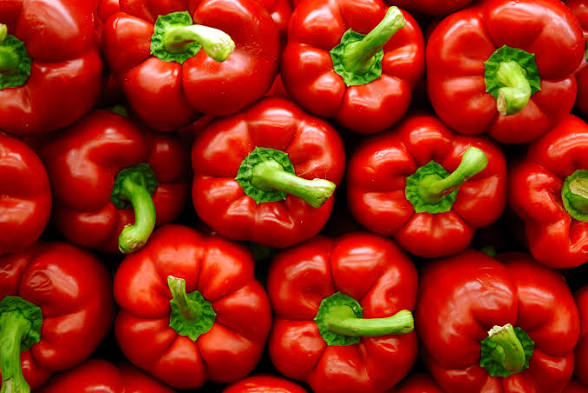
8. Red Bell Peppers
Vitamin C Superstars
Many people do not realize that red bell peppers contain even more Vitamin C than oranges.
They also provide:
- Vitamin A
- Vitamin E
- Powerful antioxidants
Why This Matters
These nutrients work together to strengthen delicate ocular tissues and reduce inflammation associated with prolonged screen exposure.
Simple Usage Ideas
- Add sliced peppers to salads
- Include them in stir fry dishes
- Blend them into healthy sauces
- Eat them raw with healthy dips
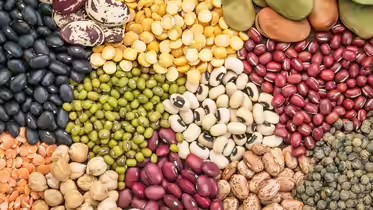
9. Legumes
Affordable Nutrition for Eye Strength
Beans, lentils, and peas are highly beneficial for vision because they contain zinc and bioflavonoids.
How Legumes Support Eye Health
They help:
- Protect retinal tissue
- Reduce oxidative damage
- Improve nutrient delivery
- Support visual recovery
Legumes are especially valuable because they provide strong nutritional support at an affordable cost.
10. Lean Beef

Concentrated Zinc for Visual Recovery
Lean beef provides highly absorbable zinc, which plays a direct role in retinal function.
How Zinc Supports the Eyes
Zinc helps:
- Improve light adaptation
- Support melanin production
- Strengthen retinal communication
- Reduce visual fatigue
Moderate consumption can significantly support overall eye resilience.
Eye Health Nutrition Summary Table
| Nutrient | Best Food Sources | Main Benefit |
|---|---|---|
| Lutein | Spinach, kale | Filters harmful blue light |
| Vitamin A | Carrots, sweet potatoes | Supports night vision |
| Omega Three | Salmon, sardines | Prevents dry eyes |
| Zinc | Eggs, beans, beef | Supports retinal protection |
| Vitamin C | Oranges, peppers | Protects blood vessels |
| Vitamin E | Nuts, seeds | Prevents oxidative stress |
How to Build an Eye Healthy Daily Meal Plan
Knowing the foods is important, but applying them consistently is what creates results.
Breakfast
- Eggs with spinach
- Fresh orange slices
- Whole grain bread
Lunch
- Grilled fish
- Vegetable salad with carrots and peppers
- Beans or lentils
Dinner
- Sweet potatoes
- Lean protein
- Steamed leafy greens
Healthy Snacks
- Almonds
- Walnuts
- Citrus fruits
- Carrot sticks
Daily Habits That Strengthen Your Vision Naturally
Nutrition works best when combined with healthy visual habits.
Practice the 20 20 20 Rule
Every twenty minutes:
- Look away from your screen
- Focus on something twenty feet away
- Hold for twenty seconds
This relaxes the eye muscles and reduces fatigue.
Stay Properly Hydrated
The eyes depend heavily on fluid balance. Dehydration can lead to:
- Dryness
- Headaches
- Blurred vision
- Eye irritation
Drink water consistently throughout the day.
Protect Your Eyes from Excessive Sunlight
Ultraviolet exposure contributes to long term retinal and lens damage. Wearing sunglasses helps protect the external structures of the eye while nutrition protects internal tissues.
Final Thoughts
Your eyesight is one of the most valuable assets you possess, yet it is often neglected until problems begin to appear. Strong vision is not maintained through luck alone. It is built through consistent daily habits, smart nutrition, proper hydration, quality sleep, and reduced visual strain.
The foods discussed in this guide provide more than temporary wellness benefits. They supply the biological tools your eyes need to defend themselves against inflammation, oxidative stress, digital fatigue, and long term degeneration.
Improving your eyesight naturally does not require extreme diets or expensive treatments. Small, intentional dietary changes practiced consistently over time can create powerful results for your visual clarity and overall eye comfort.
By nourishing your eyes from within, you are investing in sharper focus, stronger retinal protection, improved visual endurance, and healthier eyesight for years to come.
Quick Vision Protection Checklist
| Habit | Purpose |
|---|---|
| Eat leafy greens regularly | Filters harmful blue light |
| Consume Omega three rich foods | Prevents dry eyes |
| Increase Vitamin A intake | Improves night vision |
| Stay hydrated | Maintains eye moisture |
| Reduce prolonged screen exposure | Lowers eye fatigue |
| Wear sunglasses outdoors | Protects against UV damage |
Read More On: