


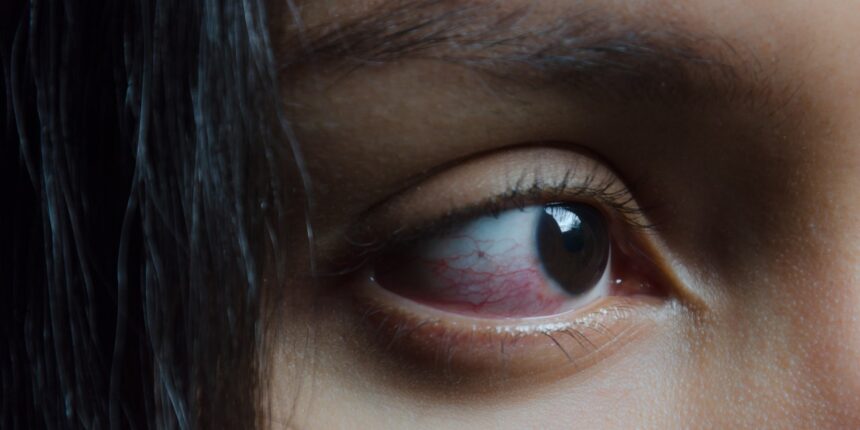
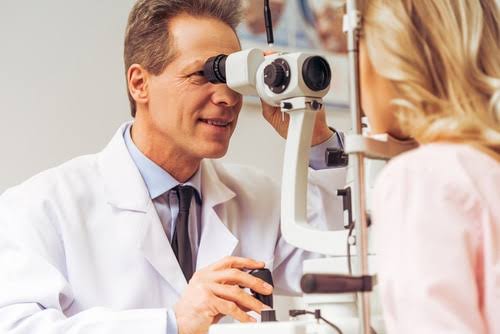
From the moment you wake up and check your phone notifications to the late night hours spent scrolling through social media, replying emails, watching videos, attending virtual meetings, or driving through bright headlights, your eyes are constantly processing visual information. Yet despite how heavily we depend on our vision, eye health is one of the most ignored aspects of personal wellness.
Many people assume that serious eye problems always begin with dramatic blindness or unbearable pain. In reality, most vision threatening conditions begin quietly. The warning signs are often subtle, gradual, and easy to dismiss. A slight blur while reading. Mild headaches after screen time. Increased sensitivity to light. Tiny floating specks drifting across your vision.
These symptoms may appear harmless at first, but they can sometimes signal deeper underlying problems developing inside the eye.
This is why early detection matters.
Get TikTok SEO Cheat here
Several major eye diseases can progress silently for months or even years before permanent damage becomes noticeable. Conditions such as glaucoma, retinal detachment, cataracts, diabetic retinopathy, and chronic dry eye syndrome often give small clues long before vision loss becomes severe. Recognizing these clues early can make the difference between preserving your sight and facing irreversible complications.
In today’s digital environment, eye strain has also become a growing concern for students, remote workers, gamers, content creators, and professionals who spend long hours staring at screens. Continuous exposure to artificial lighting, reduced blinking, poor posture, and excessive screen brightness places enormous stress on the eyes.
This guide serves as a practical and life saving resource designed to help you identify the most important warning signs your eyes should never ignore.
This is not just a list of symptoms.
It is a detailed educational guide explaining:
- What each symptom may mean
- Why the symptom occurs
- When the issue becomes dangerous
- What actions you should take immediately
- How to protect your long term vision health
If you have ever wondered whether your eye discomfort is normal or serious, this guide will help you understand the difference.
Why Early Eye Care Matters
Most people only visit an eye clinic after their vision becomes noticeably poor. Unfortunately, waiting for severe symptoms can be risky because many eye diseases damage the eye gradually and silently.
The eye is an incredibly delicate organ. Tiny blood vessels, nerves, muscles, and tissues all work together to produce clear vision. Even minor disruptions inside the eye can quickly affect how you see the world.
Early professional evaluation can help detect:
| Eye Condition | Why Early Detection Matters |
|---|---|
| Glaucoma | Prevents permanent optic nerve damage |
| Retinal Detachment | Immediate treatment may save vision |
| Cataracts | Early monitoring improves management |
| Diabetic Retinopathy | Prevents blindness from blood vessel damage |
| Dry Eye Syndrome | Prevents corneal irritation and infection |
| Macular Degeneration | Helps slow central vision loss |
Routine eye examinations are not only for people who wear glasses. Even individuals with apparently perfect eyesight should have periodic eye assessments because some dangerous conditions show no obvious symptoms until advanced stages.
1. Sudden Flashes and Floaters in Your Vision
One of the most alarming eye symptoms is the sudden appearance of flashes and floaters.
Floaters often appear as:
- Tiny black dots
- Cobweb like strands
- Transparent squiggles
- Shadowy specks drifting across your vision
A few occasional floaters are common with aging and may not be dangerous. However, a sudden increase in floaters combined with bright flashes of light should never be ignored.
What Causes This Symptom?
Inside the eye is a gel like substance called the vitreous. As people age, this gel can shrink and pull away from the retina.
Sometimes this pulling action creates tiny tears in the retina.
The retina is the thin light sensitive layer at the back of the eye responsible for sending visual signals to the brain. If the retina tears or detaches, vision can rapidly become permanently damaged.
Flashes often resemble:
- Lightning streaks
- Camera flashes
- Sparkling lights in side vision
Danger Signs You Must Never Ignore
Seek emergency medical care immediately if you experience:
| Emergency Symptom | Possible Meaning |
|---|---|
| Sudden shower of floaters | Retinal tear |
| Bright flashing lights | Retinal traction |
| Dark shadow in vision | Retinal detachment |
| Blurred peripheral vision | Progressive retinal damage |
Why Immediate Action Matters
Retinal detachment is a true medical emergency.
Without urgent treatment, the retina loses access to its blood supply, leading to permanent blindness. In many cases, fast surgical treatment can preserve vision if addressed early enough.
2. Persistent Headaches and Eye Strain
Frequent headaches are not always caused by stress, dehydration, or lack of sleep. Sometimes your eyes are the hidden source of the problem.
People who spend long hours staring at screens often develop digital eye strain without realizing it.
Common Symptoms of Digital Eye Strain
You may notice:
- Pressure behind the eyes
- Tightness around the temples
- Burning eyes
- Difficulty concentrating
- Temporary blurry vision
- Fatigue after screen use
These symptoms occur because the focusing muscles inside the eyes become overworked.
When your eyes constantly struggle to maintain focus, especially during prolonged computer or phone use, muscle tension gradually develops.
Who Is Most at Risk?
Digital eye strain commonly affects:
| High Risk Group | Reason |
|---|---|
| Remote workers | Long monitor exposure |
| Students | Extended reading hours |
| Gamers | Continuous screen focus |
| Graphic designers | Detailed visual concentration |
| Smartphone users | Reduced blinking frequency |
How to Reduce Eye Strain
Follow the 20 20 20 Rule
Every 20 minutes:
- Look at something 20 feet away
- For at least 20 seconds
This simple habit relaxes the focusing muscles and reduces eye fatigue.
Additional helpful strategies include:
- Lowering screen brightness
- Increasing text size
- Using artificial tears
- Improving room lighting
- Taking regular breaks
If headaches continue despite these changes, schedule a professional eye examination.
3. Blurred Vision or Difficulty Focusing
Blurred vision is one of the clearest signs that something has changed within the eye.
Sometimes the change happens gradually. Other times it appears suddenly and dramatically.
Different Types of Blurred Vision
| Symptom Pattern | Possible Cause |
|---|---|
| Difficulty seeing far objects | Nearsightedness |
| Difficulty reading nearby text | Presbyopia |
| Blurry vision in one eye | Retinal or nerve issue |
| Sudden severe blur | Eye emergency |
| Cloudy vision | Cataracts |
Why Blurry Vision Should Never Be Ignored
Blurry vision can result from simple refractive problems that are easily corrected with glasses.
However, it may also indicate serious conditions such as:
- Cataracts
- Glaucoma
- Diabetes related eye disease
- Retinal damage
- Optic nerve disorders
Sudden blurred vision especially requires immediate medical evaluation because rapid vision changes may signal dangerous internal eye problems.
4. Difficulty Seeing at Night and Halos Around Lights
Driving at night becomes increasingly dangerous when your eyes can no longer process low light effectively.
One major warning sign is seeing glowing rings or halos around lights.
What Do Halos Mean?
Halos appear when light entering the eye scatters abnormally due to problems within the lens or cornea.
People often notice:
- Glowing circles around headlights
- Starburst effects around bulbs
- Increased glare at night
- Difficulty driving after dark
Possible Causes
| Symptom | Potential Cause |
|---|---|
| Halos around lights | Cataracts |
| Severe glare sensitivity | Corneal swelling |
| Night vision decline | Lens clouding |
| Eye pressure symptoms | Glaucoma |
Why This Can Become Dangerous
Glaucoma damages the optic nerve slowly over time and may permanently reduce peripheral vision before noticeable blindness develops.
Because glaucoma often progresses silently, early warning signs such as halos should never be ignored.
5. Extreme Sensitivity to Light
Light sensitivity, also called photophobia, occurs when normal lighting suddenly feels painfully bright.
This symptom goes beyond ordinary discomfort from sunlight.
How Photophobia Feels
People with severe light sensitivity may experience:
- Eye pain indoors
- Excessive tearing
- Sharp discomfort under bright lights
- Difficulty opening the eyes
- A gritty sensation inside the eye
Potential Causes
| Cause | Description |
|---|---|
| Corneal infection | Surface inflammation |
| Uveitis | Internal eye inflammation |
| Dry eye syndrome | Tear instability |
| Eye injury | Corneal irritation |
Why You Should Seek Medical Attention
Inflammation inside the eye can quickly damage delicate tissues if untreated.
Some infections may even scar the cornea permanently, causing distorted vision.
Early treatment dramatically improves recovery outcomes.
6. Double Vision
Double vision is never normal.
Seeing two images instead of one indicates that the eyes are no longer aligning properly.
Types of Double Vision
| Type | Meaning |
|---|---|
| Monocular double vision | Problem within one eye |
| Binocular double vision | Eye muscle coordination issue |
Possible Underlying Causes
Double vision may result from:
- Eye muscle weakness
- Nerve damage
- Corneal abnormalities
- Brain related conditions
- Stroke
- Neurological disorders
When It Becomes an Emergency
Seek immediate emergency care if double vision appears suddenly alongside:
- Facial weakness
- Slurred speech
- Severe headache
- Dizziness
- Loss of balance
These symptoms may indicate a neurological emergency.
7. Persistent Redness and Dryness
Occasional eye irritation is common, especially in dusty or air conditioned environments.
However, chronic redness and dryness suggest ongoing inflammation.
Symptoms of Chronic Dry Eye Syndrome
You may notice:
- Burning sensation
- Sandy feeling
- Itchy eyes
- Redness lasting several days
- Excessive tearing
- Blurred vision after reading
Ironically, dry eyes may water excessively because the eyes attempt to compensate for poor quality tears.
Common Triggers
| Trigger | Effect |
|---|---|
| Prolonged screen use | Reduced blinking |
| Air conditioning | Tear evaporation |
| Dust exposure | Surface irritation |
| Aging | Reduced tear production |
Why Treatment Matters
Untreated dry eye syndrome can damage the corneal surface and increase the risk of infection.
Proper management may include:
- Lubricating eye drops
- Lifestyle adjustments
- Improved hydration
- Reduced screen exposure
8. The Curtain Effect in Your Vision
One of the most dangerous eye symptoms is the appearance of a dark curtain or shadow moving across your field of vision.
How This Symptom Appears
People often describe:
- A gray shadow moving sideways
- Darkness creeping inward
- Partial loss of side vision
- Sudden visual obstruction
This usually signals retinal detachment.
Why This Is an Absolute Emergency
The retina cannot survive long without proper blood supply.
Every minute matters.
Immediate surgical treatment may preserve vision, but delays significantly increase the risk of permanent blindness.
9. Deep Eye Pain and Pressure
Tired eyes are common.
Actual pain inside the eye is not.
Danger Signs of Acute Eye Pressure
Seek urgent medical care if eye pain occurs with:
- Nausea
- Vomiting
- Redness
- Blurred vision
- Halos around lights
- Severe headache
Possible Cause
Acute Angle Closure Glaucoma
This condition occurs when fluid inside the eye cannot drain properly, causing pressure to rise rapidly.
The pressure damages the optic nerve and may destroy vision within a very short time.
When to Seek Immediate Medical Help
Emergency Eye Symptoms Checklist
| Symptom | Urgency Level |
|---|---|
| Sudden flashes and floaters | Immediate emergency |
| Curtain shadow in vision | Immediate emergency |
| Sudden double vision | Immediate emergency |
| Severe eye pain | Immediate emergency |
| Sudden vision loss | Immediate emergency |
| Persistent headaches | Eye exam within days |
| Chronic dryness | Routine evaluation |
How to Protect Your Vision Daily
Protecting your eyesight requires intentional habits.
Practical Eye Care Tips
Reduce Screen Strain
- Use proper lighting
- Increase blink frequency
- Take regular breaks
Wear Protective Eyewear
- Use sunglasses outdoors
- Wear safety glasses during risky tasks
Maintain Healthy Nutrition
Foods rich in:
- Vitamin A
- Omega 3 fatty acids
- Lutein
- Zinc
can support long term eye health.
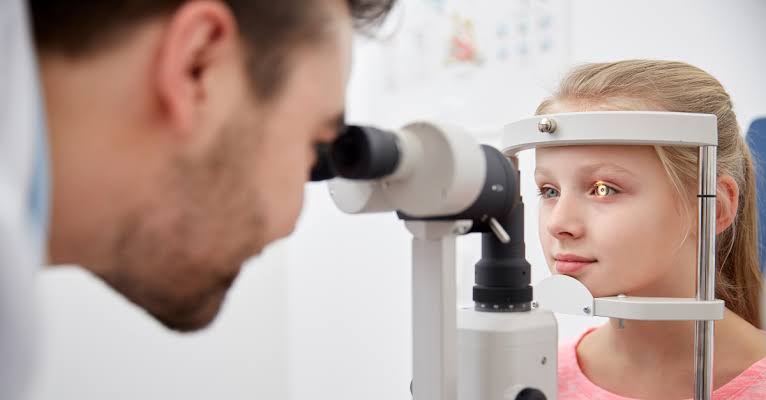
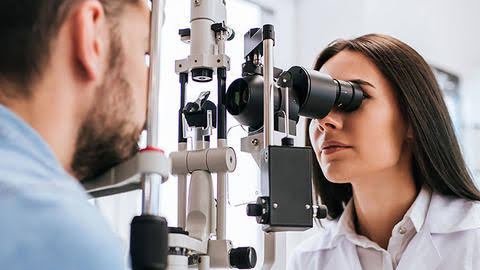
Schedule Routine Eye Exams
Even without symptoms, periodic eye examinations remain essential for detecting silent diseases early.
Final Thoughts
Your eyes rarely fail without warning.
In many cases, they quietly send signals long before serious vision loss develops. The challenge is learning how to recognize those signals early enough to act.
Ignoring symptoms such as flashes, floaters, halos, blurry vision, chronic headaches, or eye pain can allow dangerous conditions to progress silently. On the other hand, seeking prompt professional care can preserve your vision, improve your quality of life, and even detect broader health conditions affecting the body.
Your eyesight influences every part of daily living.
- Reading.
- Driving.
- Working.
- Learning.
- Connecting with people.
- Experiencing the world.
Protecting it should never be postponed.
If your eyes are trying to tell you something, listen carefully and seek professional evaluation before a temporary problem becomes permanent.
Read More On: