
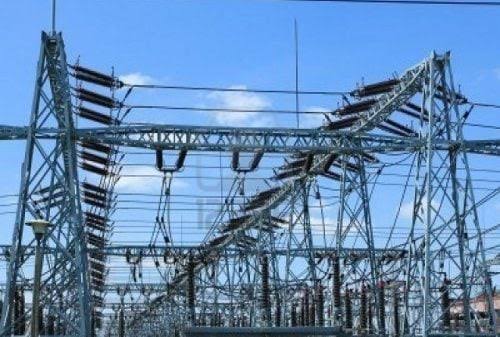
Nigeria’s power distribution sector has once again come under intense scrutiny following the latest performance report released by the Nigerian Electricity Regulatory Commission. The data reveals a mixed outcome that highlights both operational progress and deep structural inefficiencies.
While electricity distribution companies achieved a billing efficiency of 82.03 percent in the fourth quarter of 2025, the sector simultaneously recorded a staggering ₦174.12 billion in losses during the same period. This contradiction underscores the persistent financial instability within Nigeria’s electricity value chain and raises serious concerns about long-term sustainability.
The report presents a detailed snapshot of how the sector is evolving, exposing the gaps between energy received, billed, and actual revenue collected.
Billing Efficiency Improves But Falls Short of Full Recovery
The concept of billing efficiency refers to how much of the total electricity received by distribution companies is successfully billed to customers. In the fourth quarter of 2025, DisCos recorded an efficiency rate of 82.03 percent.
Get TikTok SEO Cheat here
This means that out of the total electricity valued at ₦969.19 billion supplied to the distribution companies, only ₦795.06 billion was billed to consumers.
Although this figure suggests a relatively strong billing performance, it still indicates that nearly 18 percent of electricity supplied was not captured in customer billing. This gap continues to reflect operational challenges such as:
• Energy theft and illegal connections
• Poor metering infrastructure
• Technical losses in transmission and distribution
• Inaccurate estimation of consumption
Compared to the previous quarter, billing efficiency actually declined slightly, indicating that improvements in the system are not yet consistent or stable.
Massive ₦174.12 Billion Loss Raises Alarm Across Sector
Despite achieving over 80 percent billing efficiency, the financial losses recorded during the quarter tell a more troubling story.
DisCos collectively lost ₦174.12 billion in Q4 2025 due to what is known as Aggregate Technical, Commercial and Collection losses.
These losses are a combination of several factors:
• Technical losses resulting from aging infrastructure and inefficient networks
• Commercial losses caused by energy theft and inaccurate billing
• Collection losses arising from customers failing to pay for electricity consumed
This means that even when electricity is billed, a significant portion of the revenue is never recovered.
The magnitude of this loss highlights a systemic issue where operational gains are being eroded by inefficiencies across multiple layers of the electricity distribution process.
Revenue Collection Performance Remains Weak
The report further reveals that out of the ₦795.06 billion billed, only ₦630.93 billion was successfully collected by the distribution companies.
This translates to a collection efficiency of 79.36 percent.
In simple terms, for every ₦100 billed to consumers, only about ₦79 is actually paid. The remaining ₦21 becomes part of the growing revenue deficit.
This weak collection performance is attributed to several persistent issues:
• Consumer resistance to estimated billing
• Poor customer trust in billing systems
• Economic hardship affecting payment ability
• Weak enforcement mechanisms for bill recovery
The inability to collect billed revenue continues to create liquidity problems that affect the entire electricity supply chain.
Read More On: Nigeria’s AKK Pipeline Set to Deliver Gas to Abuja
ATC and C Losses Remain Critically High
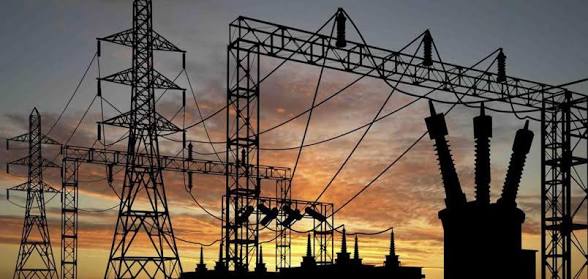
One of the most concerning indicators in the report is the Aggregate Technical, Commercial and Collection loss rate, which stood at 34.90 percent.
This figure is significantly higher than regulatory targets and indicates that more than one third of potential revenue is lost within the system.
A breakdown of these losses shows:
• Technical and commercial losses at 17.97 percent
• Collection losses at 20.64 percent
The high loss rate continues to weaken investor confidence and limit the ability of distribution companies to invest in infrastructure upgrades.
Performance Gap Among Distribution Companies Widens
The report also highlights disparities in performance among different distribution companies across the country.
While some operators showed relatively stronger efficiency levels, others significantly underperformed.
Notably:
• Only one distribution company met its regulatory loss reduction target
• Several companies recorded substantial deviations from expected performance benchmarks
• Some operators posted extremely high loss levels, far above acceptable limits
These inconsistencies indicate that sector challenges are not uniform and that company specific operational strategies play a critical role in performance outcomes.
Metering Progress Fails to Fully Close Revenue Gap
Efforts to improve metering across the country have shown some progress, with hundreds of thousands of new meters installed during the period.
However, despite these improvements, over 40 percent of electricity customers in Nigeria still remain unmetered, leading to continued reliance on estimated billing.
This situation contributes directly to:
• Customer dissatisfaction
• Billing disputes
• Revenue leakages
• Increased electricity theft
Until metering becomes more widespread and accurate, billing and collection inefficiencies are likely to persist.
Impact on Nigeria’s Power Sector Stability
The financial performance of distribution companies has far reaching implications for the entire electricity ecosystem.
The inability to fully recover revenue affects:
• Power generation companies that depend on payments from DisCos
• Transmission infrastructure funding
• Government subsidy requirements
• Overall electricity supply reliability
A financially weak distribution segment creates a ripple effect that undermines the entire value chain, leading to continued power shortages and increased reliance on alternative energy sources such as generators.
Read More On: Ecobank Records Over ₦1 Trillion Profit as Customer Deposits Surge in Landmark Performance
Regulatory Pressure and Future Outlook
The Nigerian Electricity Regulatory Commission is expected to intensify oversight and enforce stricter compliance measures to improve performance across the sector.
Key expectations moving forward include:
• Increased investment in metering infrastructure
• Stronger enforcement against energy theft
• Improved billing transparency
• Adoption of advanced monitoring technologies
There is also growing pressure on distribution companies to align with regulatory targets and improve operational efficiency to reduce losses.
Economic Implications for Consumers and Businesses
For the average Nigerian consumer and business owner, the inefficiencies within the power sector translate directly into higher costs and reduced reliability.
Key consequences include:
• Increased electricity tariffs to cover sector losses
• Continued dependence on diesel and petrol generators
• Higher cost of goods and services due to energy expenses
• Reduced competitiveness of Nigerian businesses
The gap between energy supplied and revenue recovered continues to place a financial burden on both the government and end users.
Conclusion
The latest data presents a clear picture of a sector at a crossroads. While billing efficiency above 80 percent reflects some level of operational improvement, the massive ₦174.12 billion loss exposes deep rooted structural weaknesses.
The Nigerian electricity distribution sector is making progress, but that progress is being undermined by persistent inefficiencies in billing, collection, and infrastructure.
Without urgent reforms and sustained investment, the gap between energy supply and financial recovery will continue to widen, limiting the sector’s ability to deliver reliable and affordable electricity to millions of Nigerians.
Read More On: Lagos Youths Drive ₦4.5 Trillion Annual Contribution to State Economy