


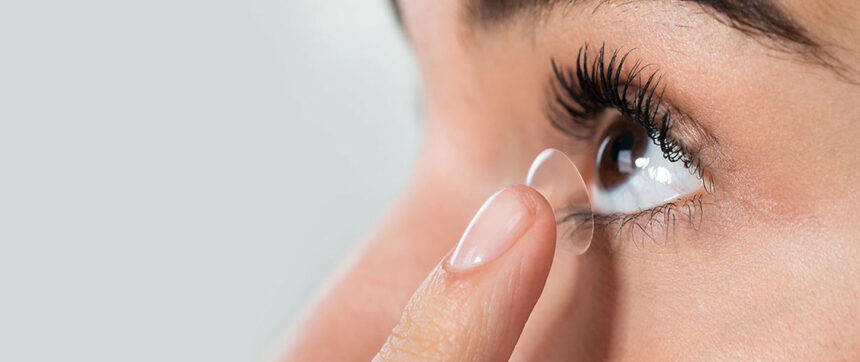
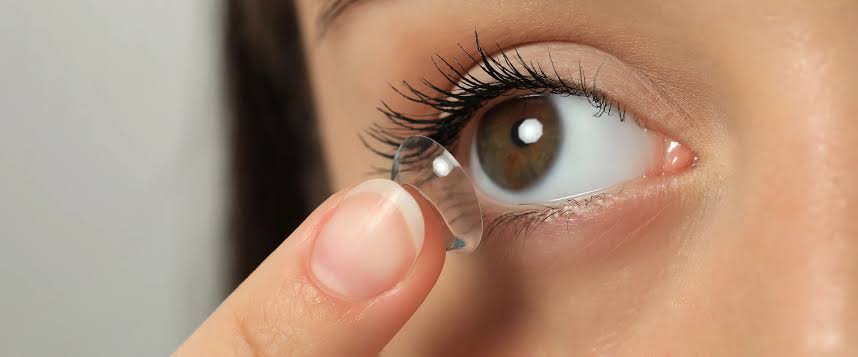
Your eyes work relentlessly every single day. From staring at digital dashboards and spreadsheets to attending meetings, creating content, scrolling through smartphones, and driving through busy city traffic, modern life places extraordinary pressure on your vision. For millions of people, contact lenses provide unmatched convenience, sharper peripheral vision, and the freedom that traditional eyeglasses sometimes cannot offer.
Yet many contact lens users underestimate one critical truth.
Contact lenses are not cosmetic accessories.
They are medical devices that sit directly on one of the most delicate surfaces of the human body.
Get TikTok SEO Cheat here
Because lenses rest on the cornea for long periods, even a minor mistake in hygiene can expose the eye to dangerous microorganisms, oxygen deprivation, irritation, inflammation, or severe infections capable of permanently damaging vision. Something as seemingly harmless as rinsing a lens with tap water or sleeping in lenses longer than recommended can trigger serious complications.
This is why proper lens care is not optional.
It is essential.
Unfortunately, many people unknowingly develop poor habits over time. Some skip handwashing because they are in a hurry. Others reuse old solution, fail to clean their lens cases properly, or continue wearing lenses despite discomfort. These small shortcuts may appear harmless initially, but they gradually increase the risk of eye infections, dryness, blurry vision, and corneal injury.
Proper contact lens care is not complicated, but it demands consistency, attention to detail, and discipline.
Whether you are a first time lens wearer or someone who has been using contacts for years, this guide will help you create safer habits and maintain healthier eyes every single day.
Why Contact Lens Hygiene Matters More Than Most People Realize
Your cornea does not contain blood vessels like many other parts of the body. Instead, it receives oxygen directly from the air. Contact lenses partially cover this surface, which means improper cleaning can trap bacteria, debris, proteins, and oils against the eye for extended periods.
When hygiene standards are poor, microorganisms multiply rapidly on the lens surface and inside the storage case. Once introduced into the eye, these microorganisms can cause conditions such as:
| Eye Condition | Possible Cause | Potential Consequence |
|---|---|---|
| Keratitis | Bacterial or parasitic contamination | Corneal scarring and vision loss |
| Conjunctivitis | Poor hygiene practices | Redness and irritation |
| Corneal Ulcers | Sleeping in dirty lenses | Severe pain and permanent damage |
| Dry Eye Syndrome | Protein buildup on lenses | Discomfort and blurry vision |
| Eye Inflammation | Chemical residue or contaminated solution | Swelling and light sensitivity |
Many infections begin with simple symptoms that people ignore. Slight irritation, watery eyes, mild redness, or occasional blurriness may appear insignificant initially, but these can be early warning signs that your lenses are no longer safe to wear.
Proper care protects your eyes from these risks while also improving comfort, lens clarity, and overall wear experience.
Step One
Master Proper Hand Hygiene Before Touching Your Lenses
Before your fingers ever come into contact with your lenses, your hands must be thoroughly cleaned.
This is the foundation of safe lens handling.
Your fingertips naturally collect bacteria, oils, dirt, lotion residue, sweat, and microscopic debris throughout the day. If transferred onto your contact lenses, these contaminants sit directly against your eye.
How to Wash Your Hands Correctly Before Handling Lenses
Use the Right Soap
Choose a mild liquid soap that contains:
- No perfumes
- No moisturizers
- No oils
- No heavy antibacterial residue
Many scented or moisturizing soaps leave invisible films on the skin. These residues transfer easily onto lenses and may cause burning sensations or blurry vision.
Wash Thoroughly
Scrub your hands carefully for at least twenty seconds. Pay close attention to:
- Fingertips
- Under fingernails
- Between fingers
- Around rings or jewelry
Dry Hands Completely
This step is commonly ignored but extremely important.
Water introduces microorganisms to the lens surface. Even tiny droplets may carry harmful pathogens.
Use:
- Clean lint free towels
- Disposable paper towels
- Fresh microfiber cloths
Avoid using shared bathroom towels because they often contain bacteria and lint particles.
The Correct Way to Remove Contact Lenses Safely
Removing your lenses carelessly can damage both the lens material and the sensitive surface of your eye.
Safe Lens Removal Process
| Step | Action |
|---|---|
| Step 1 | Wash and dry your hands completely |
| Step 2 | Look upward while gently pulling down your lower eyelid |
| Step 3 | Slide the lens downward onto the white part of the eye |
| Step 4 | Pinch the lens gently between your fingertips |
| Step 5 | Remove carefully without squeezing aggressively |
Never use fingernails to grab a contact lens. Sharp nail edges can tear lenses and scratch the cornea.
If the lens feels stuck, do not force it out immediately. Apply lubricating eye drops approved for contact lens users and blink several times first.
The Rub and Rinse Method
The Gold Standard for Lens Cleaning
One of the most dangerous misconceptions in contact lens care is the belief that soaking alone is enough.
It is not.
Even solutions labeled as “no rub” perform significantly better when lenses are physically rubbed during cleaning.
Why Rubbing Matters
During the day, your lenses collect:
- Tear proteins
- Natural eye oils
- Dust particles
- Pollution
- Makeup residue
- Environmental allergens
These substances form deposits that simple soaking cannot fully remove.
Mechanical rubbing physically breaks apart these buildups.
How to Properly Use the Rub and Rinse Technique
Step by Step Cleaning Process
| Step | Detailed Action |
|---|---|
| 1 | Place one lens in the center of your clean palm |
| 2 | Add several drops of fresh multipurpose solution |
| 3 | Gently rub the lens using your fingertip for ten to twenty seconds |
| 4 | Use soft circular motions or back and forth motions |
| 5 | Rinse the lens thoroughly with fresh solution |
| 6 | Place the lens into a clean storage case filled with new solution |
Repeat the same process for the second lens.
Important Safety Reminder
Never clean contact lenses using:
- Tap water
- Bottled water
- Saliva
- Homemade saline mixtures
Only sterile contact lens solution specifically approved for lens cleaning should touch your lenses.
Understanding Contact Lens Solutions and Why Proper Use Matters
Many users believe all solutions work the same way.
They do not.
Different solutions are designed for different purposes.
| Solution Type | Primary Purpose |
|---|---|
| Multipurpose Solution | Cleaning, rinsing, disinfecting, and storage |
| Hydrogen Peroxide Solution | Deep disinfection |
| Saline Solution | Rinsing only |
| Rewetting Drops | Moisture and comfort during wear |
The Dangerous Habit of Topping Off Solution
One of the worst mistakes lens users make is reusing old solution.
This practice is known as topping off.
It occurs when someone adds fresh solution to existing old liquid inside the lens case instead of discarding it completely.
Why This Is Dangerous
Used solution contains:
- Dead microorganisms
- Protein deposits
- Dirt particles
- Reduced disinfecting power
Adding fresh solution only dilutes contamination rather than eliminating it.
The Correct Practice
Every single time you remove your lenses:
- Throw away all old solution
- Rinse the empty case with fresh solution
- Allow the case to air dry completely
- Refill with entirely new disinfecting solution
Never recycle old liquid.
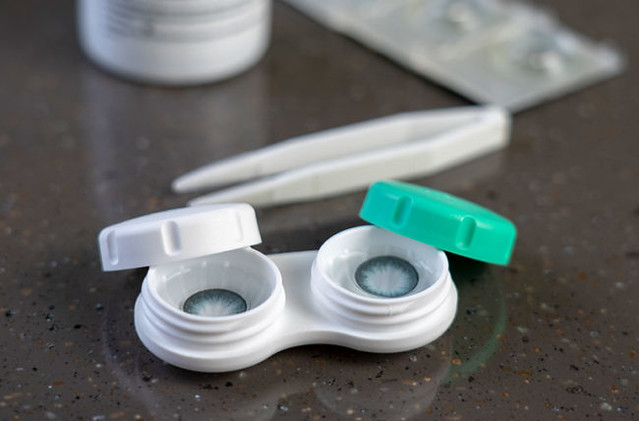
How to Properly Maintain Your Contact Lens Case
Many people clean their lenses carefully while completely neglecting the storage case.
This is a major mistake.
Your lens case can become one of the dirtiest items you use daily.
Microscopic scratches inside the case create perfect hiding places for bacteria and fungi.
Daily Lens Case Cleaning Routine
After Inserting Your Lenses
| Action | Purpose |
|---|---|
| Empty old solution completely | Removes contaminated liquid |
| Rinse with fresh solution | Flushes away microorganisms |
| Air dry upside down | Prevents moisture buildup |
| Store in clean environment | Reduces contamination risk |
Never wipe the inside of the case using tissues or cloths because fibers may remain inside.
How Often Should You Replace Your Lens Case?
Even if your case appears clean, invisible microbial buildup still occurs over time.
Recommended Replacement Frequency
| Case Type | Replacement Schedule |
|---|---|
| Standard Lens Case | Every three months |
| Damaged or cracked case | Immediately |
| After illness or eye infection | Immediately |
Replacing the case regularly dramatically lowers infection risk.
Why Water and Contact Lenses Should Never Mix
Water may look clean, but it is not sterile.
Even treated tap water contains microorganisms invisible to the naked eye.
One particularly dangerous organism is Acanthamoeba, a microscopic parasite capable of causing devastating eye infections.
Why This Organism Is So Dangerous
Acanthamoeba infections can:
- Cause extreme pain
- Damage the cornea
- Require months of treatment
- Lead to permanent vision impairment
Situations Where Water Exposure Happens Frequently
| Risky Activity | Why It Is Dangerous |
|---|---|
| Showering with lenses | Water splashes introduce microorganisms |
| Swimming with lenses | Pools contain bacteria and chemicals |
| Using hot tubs | Warm water promotes microbial growth |
| Rinsing lenses with water | Direct contamination risk |
What To Do If Water Touches Your Lenses
If lenses come into contact with water:
- Remove them immediately
- Disinfect thoroughly if reusable
- Dispose of daily lenses instantly
- Monitor for redness or irritation
How to Safely Combine Contact Lenses With Makeup
For professionals who wear makeup daily, lens safety requires careful timing and product awareness.
Cosmetic particles can easily become trapped beneath contact lenses, leading to irritation and scratches.
Correct Makeup Routine for Contact Lens Users
Always Follow This Order
| Before Makeup | After Makeup Removal |
|---|---|
| Insert contact lenses first | Remove lenses first |
This reduces the chances of cosmetic residue becoming trapped on the lens surface.
Additional Makeup Safety Tips
Avoid applying eyeliner on the inner eyelid margin because it blocks oil glands that help keep the eyes naturally lubricated.
Choose:
- Oil free cosmetics
- Hypoallergenic products
- Non flaky mascara
Replace eye makeup regularly to avoid bacterial contamination.
Never share makeup products with others.
How to Store Contact Lenses Correctly Overnight
Proper overnight storage is critical for disinfection.
After cleaning:
- Place lenses into separate compartments
- Fill the case completely with fresh solution
- Ensure lenses are fully submerged
- Close the lids tightly
Minimum Disinfection Time
Most disinfecting solutions require at least four to six hours of soaking for proper sterilization.
Always read the manufacturer instructions carefully.
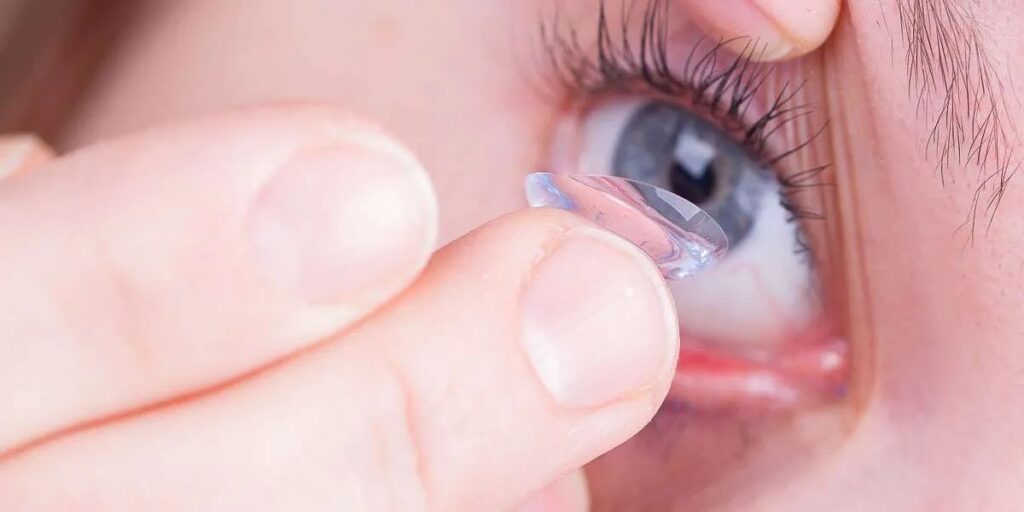
Common Contact Lens Mistakes That Can Damage Your Eyes
Many serious eye complications begin with habits people consider harmless.
Mistakes You Must Avoid
| Dangerous Habit | Possible Consequence |
|---|---|
| Sleeping in lenses unnecessarily | Oxygen deprivation and infection |
| Extending replacement schedules | Deposit buildup and irritation |
| Reusing old solution | Bacterial contamination |
| Sharing contact lenses | Severe infection risk |
| Ignoring eye discomfort | Delayed treatment |
| Using expired solution | Reduced disinfection effectiveness |
Consistency matters more than occasional perfection.
Safe habits every day provide the best long term protection.
Warning Signs That Require Immediate Attention
Your eyes usually give warning signals when something is wrong.
Never ignore persistent symptoms.
Remove Your Lenses Immediately If You Experience
- Sudden blurry vision
- Sharp pain
- Burning sensation
- Persistent redness
- Excessive tearing
- Light sensitivity
- White spots on the eye
- Thick eye discharge
Seek professional medical attention promptly if symptoms continue after removing lenses.
Best Practices for Long Term Contact Lens Comfort
Healthy contact lens wear is not only about avoiding infection.
It is also about maintaining comfort, hydration, and visual clarity.
Simple Habits That Improve Lens Comfort
Stay Hydrated
Dehydration contributes significantly to dry eyes.
Drink adequate water throughout the day to maintain healthy tear production.
Take Screen Breaks Frequently
Extended screen exposure reduces blinking frequency.
Use the 20 20 20 rule:
Every twenty minutes, look at something twenty feet away for twenty seconds.
Use Lubricating Drops When Needed
Only use eye drops approved specifically for contact lens wearers.
Never Ignore Expiration Dates
Expired lenses and expired solution lose effectiveness and safety.
Final Thoughts
Learning how to properly clean and care for contact lenses is ultimately about protecting one of your most valuable assets.
Your vision.
Every careful habit contributes to healthier eyes, clearer sight, and a safer contact lens experience. Proper hygiene is not complicated, but it demands discipline and consistency. The small daily actions you take today determine whether your eyes remain comfortable and healthy for years to come.
By following proper hand hygiene, mastering the rub and rinse method, replacing solutions correctly, maintaining your storage case, and avoiding water exposure, you dramatically reduce your risk of painful infections and long term eye damage.
Healthy eyes support productivity, confidence, comfort, and overall quality of life.
Treat your contact lenses with the seriousness they deserve, and your eyes will thank you for it.
Read More On: